
Roof Leak Mold Inspection
Did Mold Follow The Water?
Every leak plants the question: the stain dried, but what happened inside the ceiling cavity? Post-leak inspection answers it with moisture mapping and lab sampling — not hope.
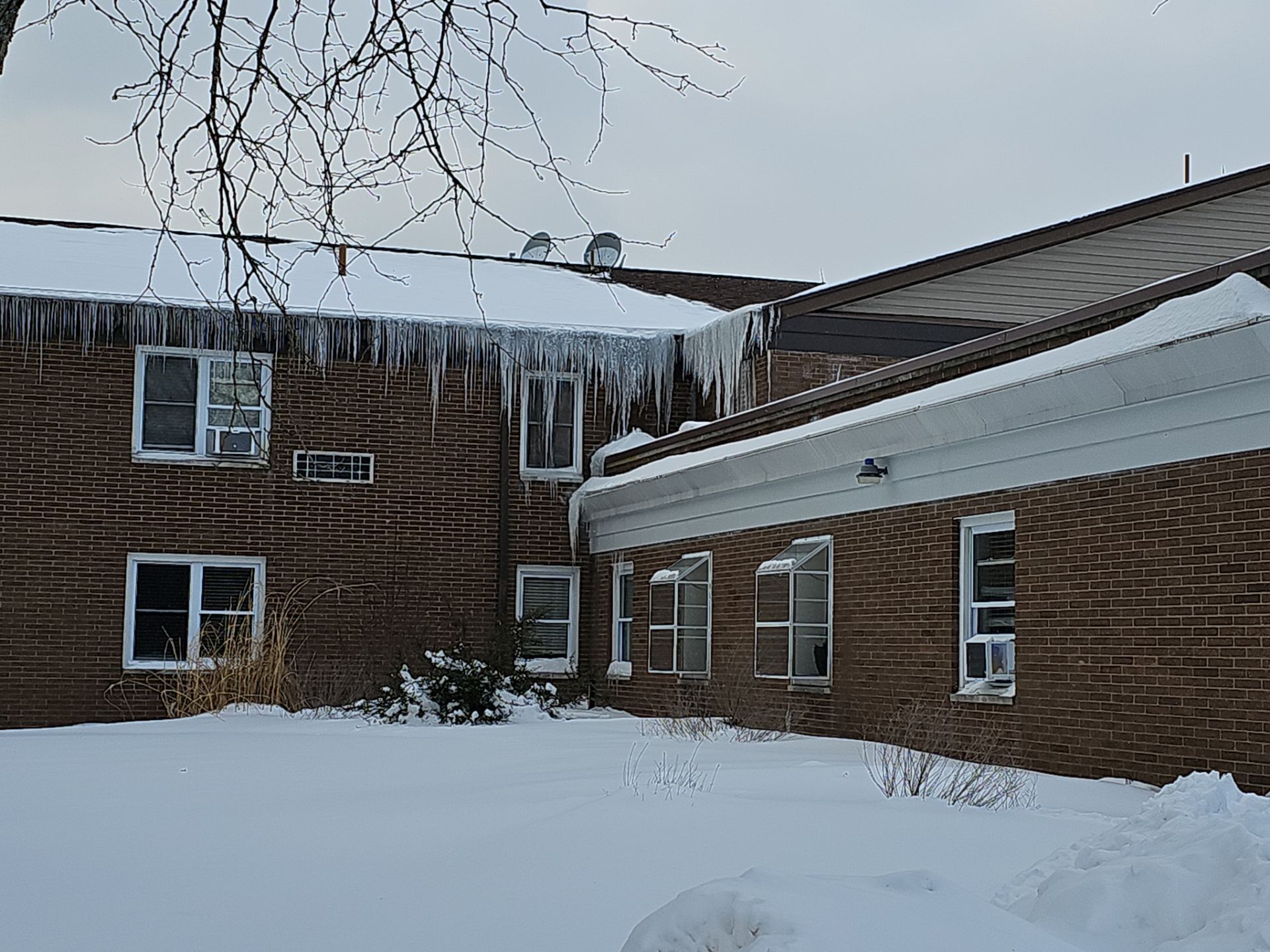
Mold Runs On A Clock Water Started
Wet building materials support mold growth within days — and the visible stain is the water path’s exit, not its extent. Insulation holds moisture long after drywall paints over; cavities dry slowest of all. Post-leak inspection maps moisture through the actual path (leak or ice dam alike), samples air and surfaces where the water lived, and answers the cavity question with lab data instead of a fresh coat of ceiling paint.
Documentation Both Directions
A clean post-leak report is peace of mind and a closing document — for your family, your file, or your buyer. A positive finding, timestamped and lab-backed after a covered leak or ice dam intrusion, ties the mold to the covered event — which matters enormously for how remediation gets paid. Either result, the answer beats the wondering.

Asked Before The Sampling
The leak was fixed months ago — too late to check?
No — if growth followed the water it is still there and still sampleable; if it did not, the clean report is still worth having. The check is never stale.
Will insurance pay for mold after a covered leak?
Policies vary and mold sublimits are real — but mold tied by documentation to a covered sudden event stands far stronger than mold of mysterious origin. Timestamped sampling is that documentation.
Do you open walls to inspect?
Moisture meters and sampling answer most questions non-invasively; when a cavity genuinely needs eyes, openings are minimal, agreed first, and made where the data points.
How fast does mold grow after a roof leak?
Wet materials can support growth within one to two days — and insulation and cavities stay wet long after the ceiling stain dries.
Should drywall be replaced after a roof leak?
Saturated drywall and insulation generally should be — moisture mapping tells you exactly how far the water traveled, so replacement follows data instead of guesswork.
What does mold from a roof leak smell like?
Musty and earthy — and smell arriving before visible growth is exactly the cue for cavity sampling rather than ceiling paint.
Is mold after one leak event likely?
It depends on how long materials stayed wet — days of saturation can start growth, hours usually don’t. Moisture mapping reconstructs which yours was.
Do home inspectors check for post-leak mold?
Visually at best — sampling and moisture mapping are beyond a general inspection’s scope, which is why leak-history houses deserve the specialist pass.
The Water-To-Mold Chain
Before, during and after.
Leak Behind You, Question Ahead?
Post-leak inspection with lab sampling — the cavity answered for good.