Ice Dam Removal: The Complete Guide for Homeowners
Everything you need to know about ice dams — what causes them, the damage they do, and how professionals remove them safely without wrecking your roof.
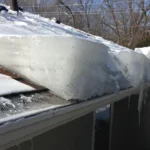
If you’ve noticed thick ridges of ice along the edge of your roof or icicles hanging from your gutters, you’re likely dealing with an ice dam. Left alone, ice dams force melting water back up under your shingles and into your home, causing leaks, stained ceilings, soaked insulation, and mold. This guide covers what ice dams are, why they form, and how professional ice dam removal protects your roof.

What Is an Ice Dam?
An ice dam is a wall of ice that builds up at the eaves — the lower edge of your roof. According to the University of Minnesota Extension, it forms when heat escaping from your attic melts snow higher up on the roof; that water runs down to the cold edge and refreezes. As the cycle repeats, the ice grows into a dam that traps the next round of meltwater behind it.
Because your shingles are designed to shed water, not hold it, that pooled water finds its way under the shingles and into your roof deck, walls, and ceilings.

What Causes Ice Dams to Form?
- Uneven roof temperatures. A warm upper roof and a cold lower edge is the core ingredient.
- Poor attic insulation. Heat leaking into the attic melts snow from below.
- Inadequate ventilation. Without airflow, warm air stays trapped against the roof deck.
- Clogged gutters. Debris and frozen downspouts give ice a place to anchor and build.
- Heavy snow plus freeze-thaw swings. Classic Northeast Ohio winter weather.
Building scientists note that ice dams can form with as little as one to two inches of snow on a poorly sealed roof. For the full technical breakdown, the U.S. Department of Energy Building America program explains how air sealing and insulation drive the problem.
The Damage Ice Dams Cause
Ice dams aren’t just a cosmetic nuisance. The trapped water can lead to rotted roof decking, damaged shingles, ruined insulation, peeling paint, warped drywall, and hidden mold growth. The sheer weight of the ice can also tear gutters away from the fascia.

The longer a dam sits, the more expensive the repairs become — which is why fast ice dam removal matters. If water has already made it inside, see our interior roof leak repair service.
How Professionals Remove Ice Dams
The only method we recommend is low-pressure steam. Steam melts the ice cleanly and quickly without harming the shingles underneath. Avoid hammers, hatchets, ice picks, and pressure washers — all of them crack shingles, and most void your roof warranty.

A trained crew steams the dam off, clears the gutters and downspouts so water can drain, and inspects for damage that may need follow-up gutter repair.
Preventing Ice Dams Next Winter
Removal solves today’s emergency; prevention keeps it from coming back. The EPA ENERGY STAR program confirms that attic air sealing combined with insulation is the most effective long-term fix. Beyond that, heated roof cables and heated gutter cables keep drainage channels open through the freeze, and gutter guards remove the debris that anchors ice. See our full winter services for the complete lineup.
Have an Ice Dam Right Now?
Don’t wait for water to reach your ceiling. Our crews steam ice dams off safely across Ohio, Pennsylvania, and New York.
Call (330) 918-1018Frequently Asked Questions
What is an ice dam?
An ice dam is a ridge of ice that forms at the edge of a roof and prevents melting snow from draining off. The trapped water can back up under shingles and leak into the home.
How do you remove an ice dam?
The safest professional method is low-pressure steam, which melts the ice without damaging shingles. Chipping with hammers, axes, or ice picks can crack shingles and void warranties.
Is ice dam removal covered by insurance?
Many homeowner policies cover interior water damage caused by ice dams, and some cover removal when it’s needed to stop active damage. Coverage varies, so check your policy or ask our insurance claims team.
How long does ice dam removal take?
Most single-family homes take one to three hours with professional steam equipment, depending on how thick and wide the ice is.
Authoritative references: University of Minnesota Extension, U.S. DOE Building America Solution Center, EPA ENERGY STAR.