
Commercial Gutters, Downspouts & Roof Drainage
The difference between Commercial Gutters that lasts and Commercial Gutters that fails early is usually the scuppers, tapered insulation or the parapet. We check all of them on site rather than estimating blind, document findings with dated photographs, and price the work in writing first. Licensed contractor, fully insured, 400+ five-star reviews.
Water damage gets worse every hour — call nowGet Your Commercial Gutters, Downspouts & Roof Drainage Quote Online
Commercial Gutters, Downspouts & Roof Drainage — priced in writing before we start, no obligation.
- Free, no-obligation written price
- Same-day response — often within the hour
- We document and file your insurance claim
- Licensed & insured, 400+ five-star reviews
What drainage do commercial buildings use?
Low-slope commercial roofs typically drain through internal roof drains, scuppers or oversized external gutters sized to the roof area they serve. Because a flat roof holds water rather than shedding it, blocked drains translate directly into ponding and structural load, which makes drain maintenance a building-integrity issue. Related: commercial roofing & flat roof repair and commercial siding & exterior panel repair.
Other Commercial Services
On a commercial building the drainage system moves far more water than a house ever will — and when it backs up, it backs up into a space someone is paying rent for.
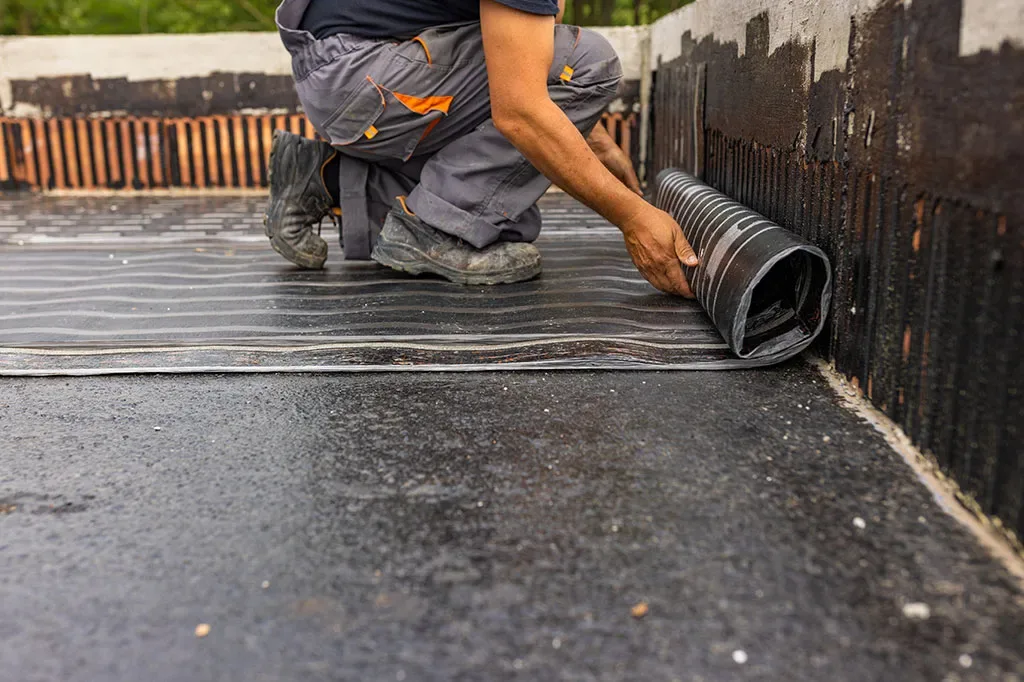
Commercial Roofing & Flat Roof Repair
Commercial roofs fail differently than residential ones. Ponding at the drains, seam separation, failed flashing at curbs and penetrations — the
Commercial Roofing details
Commercial Siding & Exterior Panel Repair
Commercial siding takes weather at a scale residential siding never sees — long uninterrupted runs, exposed elevations, and panel systems where
Commercial Siding details
Commercial Roof Snow Removal & Load Clearing
Flat commercial roofs and long-span structures carry snow load in the least forgiving way there is — evenly distributed, drifted at parapets, an
Commercial Roof Snow Removal details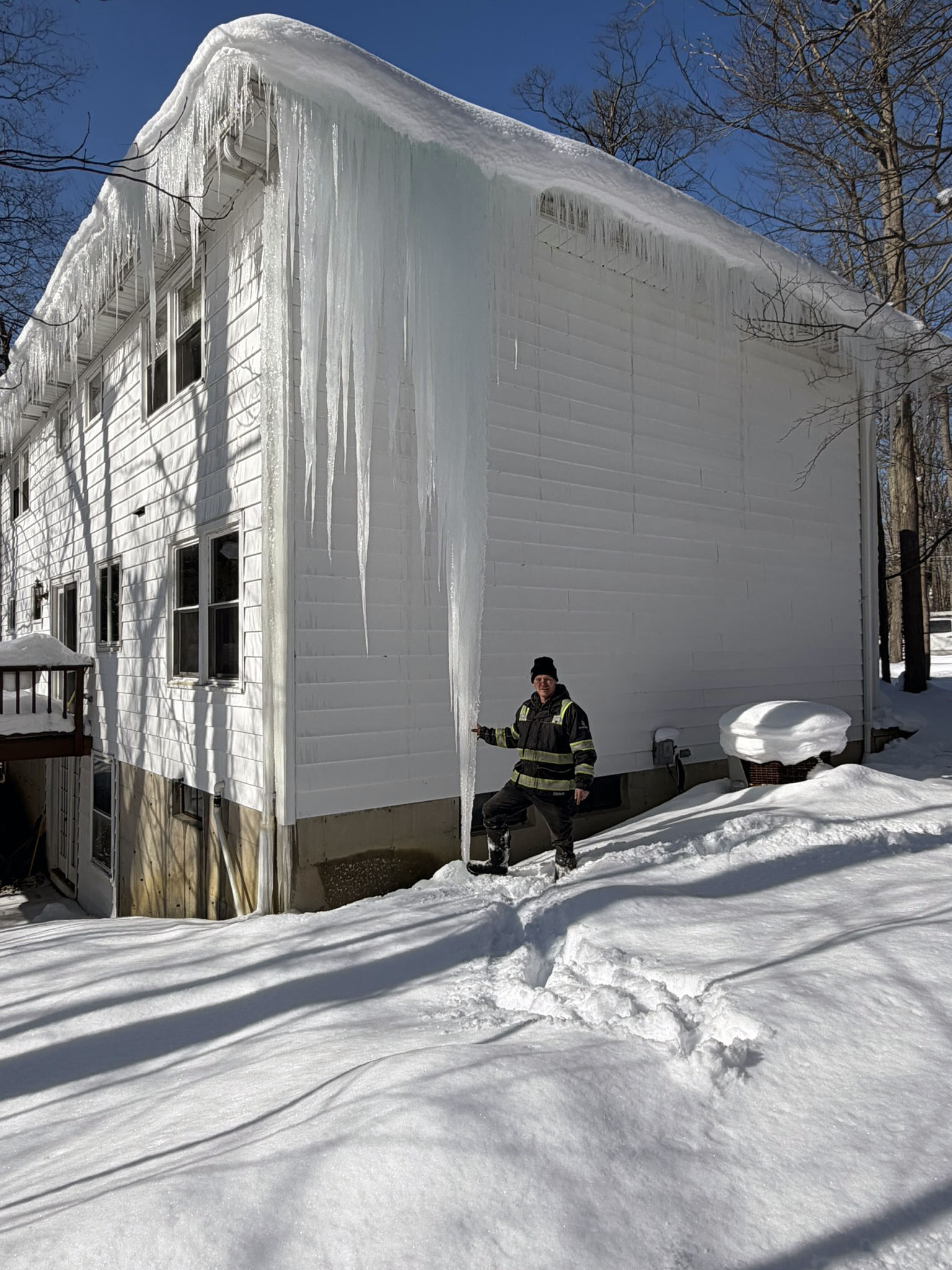
Commercial Ice Dam Removal & Steam Ice Clearing
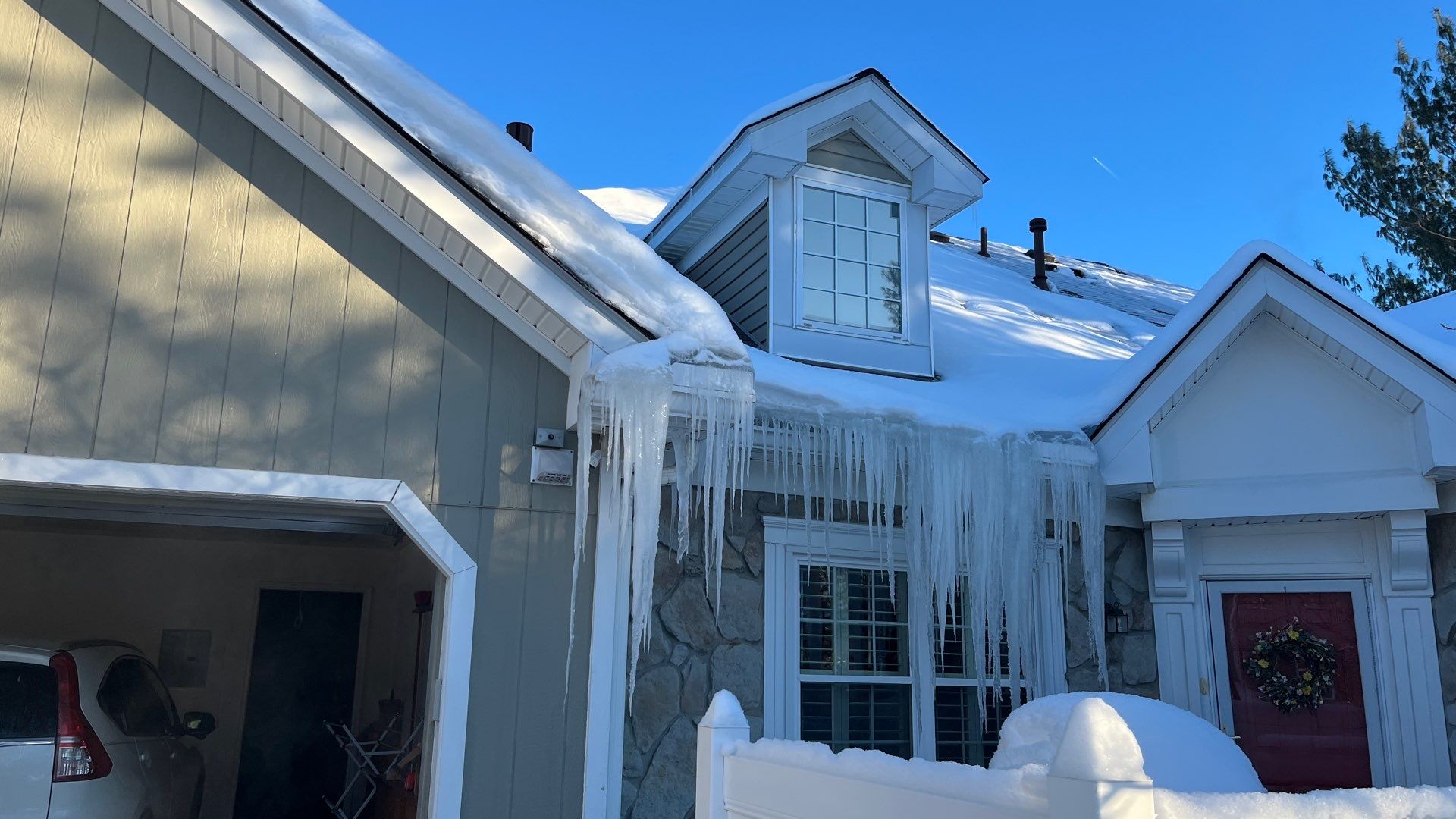
Commercial ice problems form where the drainage is — frozen internal drains, iced scuppers, ice ridges at parapets — and the water they ho
Commercial Ice Dam Removal details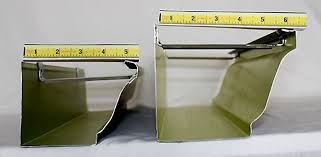
Sized for a Commercial Roof Area
Six-inch and larger K-style, box gutters, internal drains and scupper systems. Commercial drainage moves far more water than residential gutters were ever designed for, and undersizing is one of the most common problems we find on inspection.

Scheduled Cleaning Beats Emergency Response
Blocked drains cause ponding, ponding causes membrane failure, and membrane failure causes interior loss. Cleaning on a documented interval is dramatically cheaper than the failure chain it prevents — and the maintenance record supports claims later.
Getting Commercial Work Scheduled Takes 4 Steps
Tell Us the Building
Address, roof type, the problem and your operating window. We plan access before dispatch.
On-Site Assessment
We get on the roof, check drainage and document condition with photos.
Written Scope
You get a scope your board or carrier can act on — not a verbal estimate.
Scheduled & Documented
Work performed around your hours, with before and after records per building.
Why Commercial Clients Keep Us on Retainer
Sized to the Roof Area
Undersizing is the most common fault we find.
Internal Drains Inspected
The part building staff can least easily check.
Documented Maintenance Record
Scheduled intervals that support later claims.
Discharge Routed Properly
Away from foundations, walkways and parking.
Box Gutter Experience
Lining failures that look like roof leaks from inside.
Portfolio Routing
Mapped properties cleaned together, not call by call.
Commercial Coverage Across the Winter Belt
Headquartered in Akron, Ohio, with licensed year-round work in Ohio, Pennsylvania and New York, and winter response across the northern states.
Commercial Work, Documented

Questions Owners and Managers Ask
How often should commercial gutters be cleaned?
Twice a year at minimum, more where there is heavy tree cover. The interval should be documented, because scheduled maintenance records support insurance claims later.
Do you service internal drains and scuppers?
Yes — internal drainage is where most commercial systems actually fail, and it is the part building staff can least easily inspect.
Can you handle multi-building portfolios?
Mapped properties, routed together, documented per building. That is the standard arrangement for managers with several sites.
Are commercial gutters different from residential?
Substantially larger capacity and different mounting. Residential-sized systems on a commercial roof area overflow in every heavy rain.
Can you fix water pooling near our entrance?
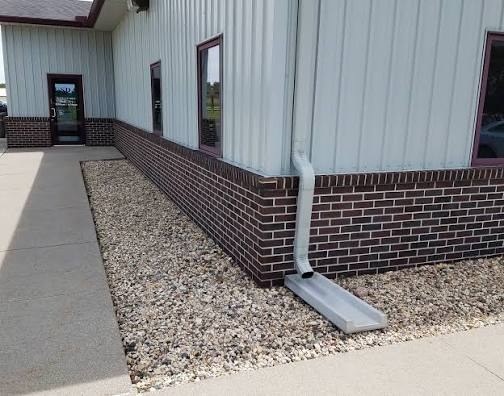
Usually a downspout discharge and grading problem. Redirecting discharge underground solves both the pooling and the winter ice hazard it creates.
Do you provide documentation for claims?
Per-building photo documentation and written condition notes on every visit.
What affects the cost of Commercial Gutters, Downspouts & Roof Drainage?
Size and complexity of the roofline, material choice, access and height, and how much prep the existing condition needs. Those factors move the number far more than anything else, which is why we measure on site instead of quoting blind over the phone.
How do I know if I need Commercial Gutters, Downspouts & Roof Drainage or something else?
The symptom usually tells you. We inspect before quoting and will say plainly when a smaller fix solves it — sending you a cheaper scope costs us the bigger job, and we'd rather be right than oversell.
Box gutters vs. internal drains — which is right for the building?
It depends on the roof geometry and where water can legally discharge. Box gutters suit older masonry buildings with a parapet edge; internal drains suit large flat roofs where edge discharge would flood the walkway. We measure the drainage load before recommending either.
How long do commercial gutters last, and what are the signs they're failing?
Twenty to forty years depending on material and how often they're cleared. Signs of failure are staining down the exterior wall, ponding at the roof edge, separated seams, and water at the foundation after a storm. Any of those means the system is no longer carrying the load it was sized for.
Licensed & Insured — licensed contractor in Ohio, Pennsylvania and New York, and fully insured in every state we serve.
Complete The System
The exterior works as one assembly — these are the pieces that connect to this one.
Commercial roofs are usually low-slope membrane systems rather than steep-slope shingles,…
Learn more →Commercial cladding covers metal panel systems, EIFS, fiber cement and composite…
Learn more →Downspouts should discharge at least four to six feet from the…
Learn more →Yes, though the mechanism differs.
Learn more →Clearing is driven by load rather than appearance.
Learn more →Seamless gutters are roll-formed on site from a single coil, so…
Learn more →Commercial Gutters Service Areas — Ohio, Pennsylvania & New York
Commercial Gutters is available across our licensed service territory in Ohio, Pennsylvania and New York. Find your city below, or call (330) 918-1018.
Ohio
Western Pennsylvania
Buffalo & Western New York
Explore The Rest Of The System
More In This Category
Brands & Partners We Use
Service Categories
About Roof Gutter Now
Free Commercial Gutters, Downspouts & Roof Drainage Estimate
Takes about 20 seconds.