A downspout dumping at the foundation undoes everything your gutters accomplish. We pipe roof water underground and away — where it can’t crack foundations or flood basements.
Downspouts & Drainage Foundation Protection done properly comes down to components most quotes never mention: the drip edge, the hangers and the fascia board. We inspect each before pricing, photograph what we find, and put the scope in writing so you see exactly what you're paying for. Licensed and insured across Ohio, Pennsylvania and New York.
Water damage gets worse every hour — call nowDownspouts & Drainage Solutions — priced in writing before we start, no obligation.
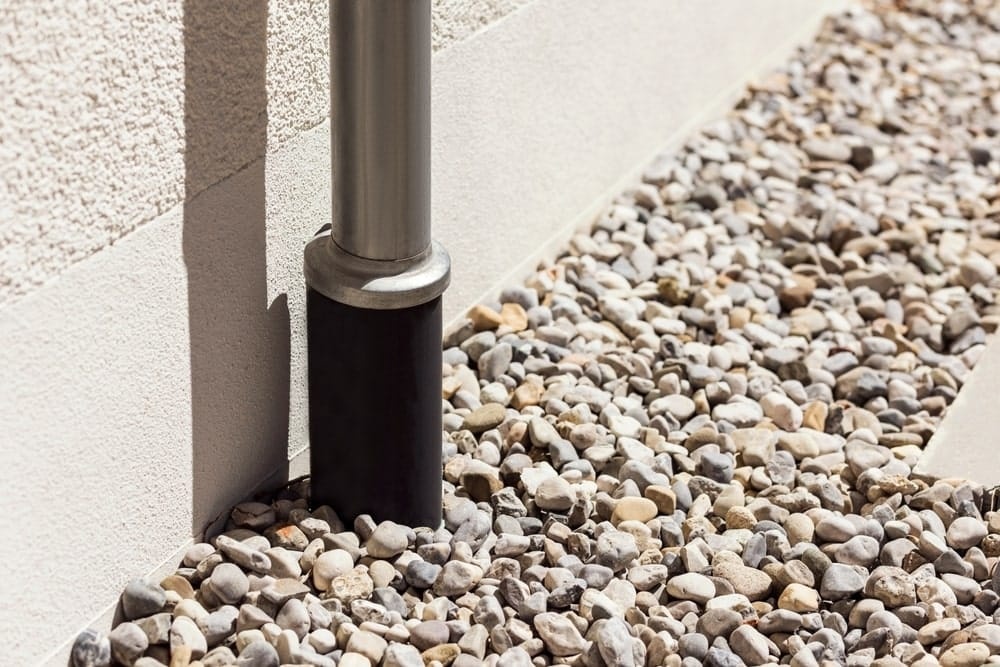
Downspouts should discharge at least four to six feet from the foundation, onto a surface that carries water away rather than back toward the house. A gutter system that drains perfectly into a splash block sitting against the foundation has simply delivered concentrated roof water to the worst possible location. Related: underground drain installation and downspout installation.
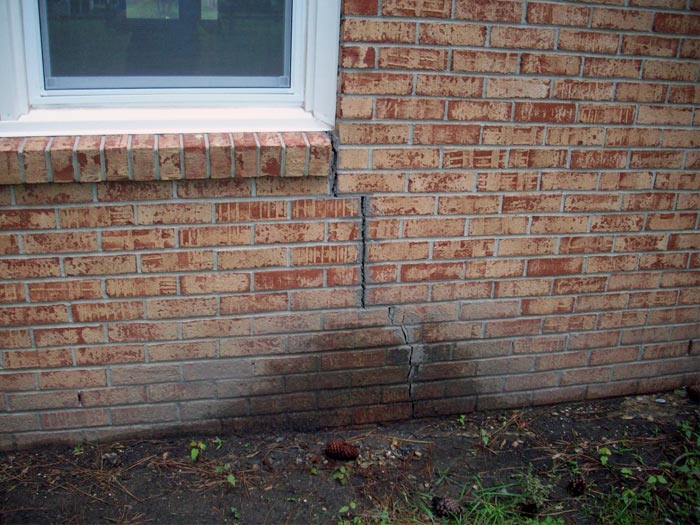
The average roof sheds over a thousand gallons in one inch of rain — and a downspout with a splash block delivers it all to one spot against your foundation. Season after season that water saturates the soil, pushes on the wall through freeze-thaw, and finds its way in: horizontal cracks, efflorescence, damp corners, sump pumps that never rest.
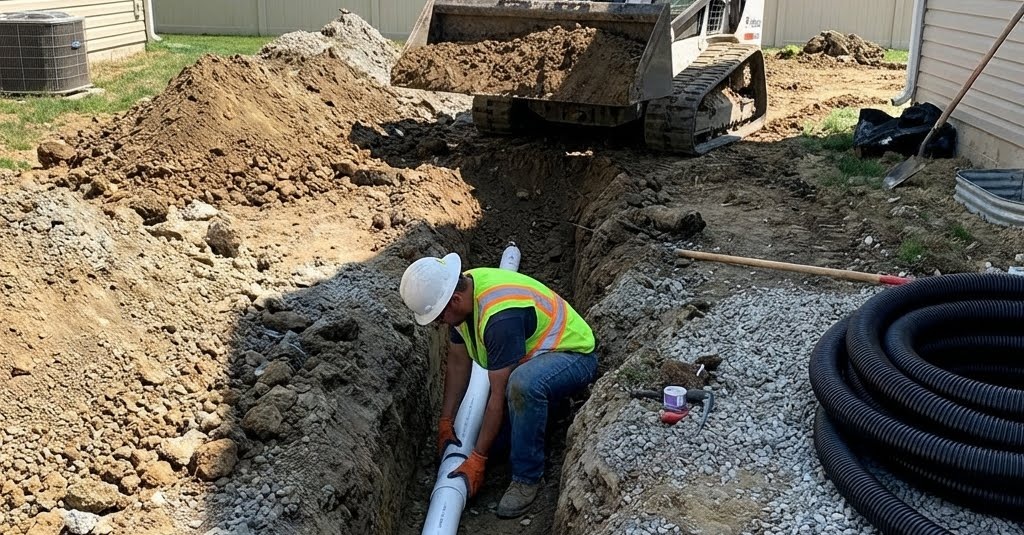
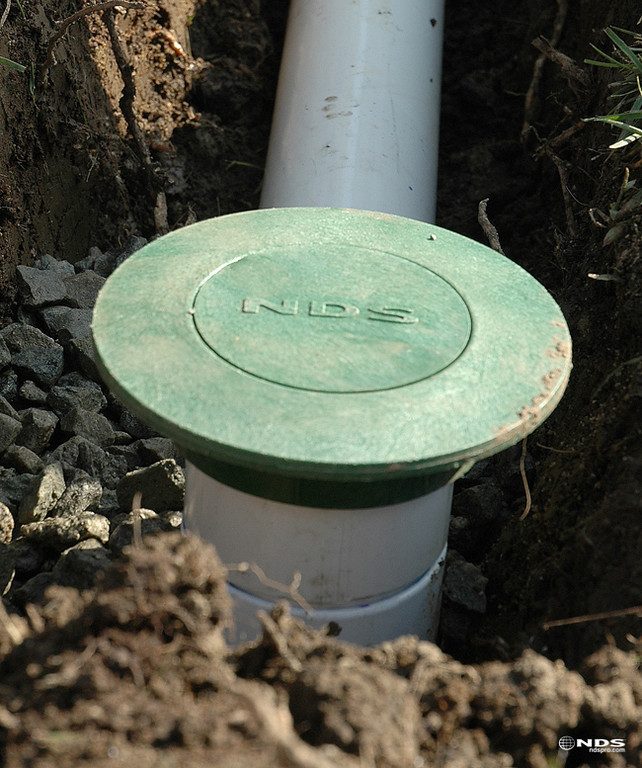
We trench solid PVC from each downspout, slope it to drain, and discharge at least ten feet from the house — to daylight, a catch basin, or a channel drain depending on your yard. For yards with surface or groundwater problems, french drains and rock drainage beds handle what downspouts alone can’t. Everything reconnects cleanly to your gutter system.

Ten feet minimum — further on flat lots. Splash blocks move water about two feet, which is why so many “waterproofed” basements still leak.
No — buried corrugated pipe crushes, clogs, and roots invade the corrugations. We bury smooth solid PVC that stays round and flushes clean.
If the water source is roof runoff — and it very often is — yes. We assess where your water is coming from honestly; if you need an interior waterproofing company instead, we’ll say so.
Properly sloped solid pipe drains empty between storms so there’s nothing standing to freeze. Pair with heated downspout cables on problem homes for full winter flow.
Downspouts dumping at the wall, settled backfill grading toward the house, or both — the free grade walk names your combination.
Clay resists soaking, so movement beats infiltration — solid pipe to daylight or basins outperforms dispersion beds where clay dominates.
They’re the primary system — most ’foundation problems’ begin life as roof water delivered to the wrong place ten thousand times.
Exterior water management fixes the exterior contribution — often decisive. Interior systems have their place; controlling the source comes first.
The exterior works as one assembly — these are the pieces that connect to this one.
An underground drain carries downspout discharge through buried solid pipe to…
Learn more →A common guideline is one downspout per thirty to forty feet…
Learn more →A French drain is a gravel-filled trench with perforated pipe that…
Learn more →Splash blocks disperse the force of falling water so it does…
Learn more →Seamless gutters are roll-formed on site from a single coil, so…
Learn more →Low-slope commercial roofs typically drain through internal roof drains, scuppers or…
Learn more →Downspouts & Drainage is available across our licensed service territory in Ohio, Pennsylvania and New York. Find your city below, or call (330) 918-1018.
Free drainage assessment — we’ll walk the yard and design the fix in writing.
Takes about 20 seconds.
