
Emergency Ice Dam Removal & Roof Snow Removal Across Connecticut
- On rooftops across Connecticut
- Low-pressure steam, zero shingle damage
- Photo file built for Connecticut insurance claims
- Local (860) line answered 24/7
Fairfield County · New Haven Area · Hartford Region · Litchfield Hills · Eastern CT · Naugatuck Valley · Every City Statewide
Safe steam removal with Arctic Steamer® technology. 24/7 scheduling with same-day & next-day arrival anywhere in Connecticut. With an active leak, insurance often covers this. Free quote — no obligation.
Our Professional Arctic Steamer® — The Only Machine Built Specifically to Remove Ice Dams Safely

- Safe Steam Technology — No Roof Damage
- 24/7 Scheduling — Same-Day & Next-Day
- Insurance Typically Covers This
- Arctic Steamer® Professional Equipment
- 400+ Five-Star Reviews
- Free Quote — No Obligation
Get Your Connecticut Quote Online
Same-day & next-day arrival — all of Connecticut
- Safe Steam Technology — No Roof Damage
- 24/7 Scheduling — Same-Day & Next-Day
- Insurance Typically Covers This
- Arctic Steamer® Professional Equipment
- 400+ Five-Star Reviews
- Free Quote — No Obligation
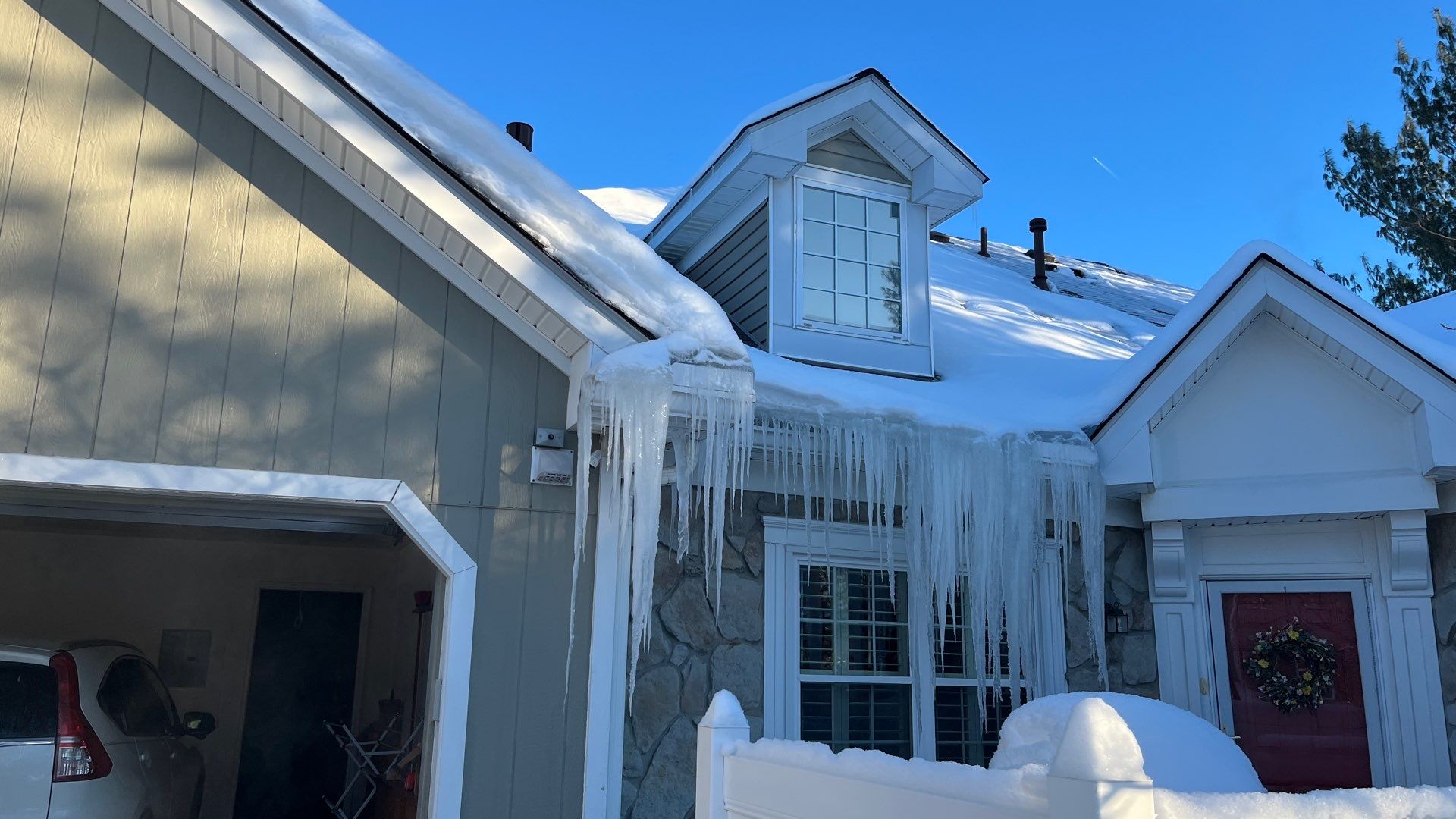
Getting Ice Dam & Roof Snow Removal right in Connecticut depends on details most homeowners never see — attic ventilation, the gutter apron and the ice-and-water shield. We assess each on site rather than estimating from the driveway, then hand you a written scope with photographs attached. Storm-related causes are documented the way an adjuster needs. Licensed and fully insured.
Fairfield County · New Haven Area · Hartford Region · Litchfield Hills · Eastern CT
Connecticut splits every storm in half — wet coastal snow along the Sound, freeze-locked accumulation in the Litchfield Hills. Both build ice dams; steam removes both. Statewide crews, 24-hour arrival window.
Water damage gets worse every hour — call now24/7 steam ice dam removal & roof snow removal across Connecticut. Crews within a 24-hour arrival window statewide. Active-leak claims often covered. Call (860) 200-7065.
How Connecticut Winters Attack Roofs
Connecticut's winter runs on elevation and shoreline distance. Storms that fall as rain in Stamford land as heavy snow in Danbury and stay for weeks in the Litchfield Hills. That split means shoreline homes get the wet, dense loads and rapid freeze-thaw that build dams overnight, while the northwest corner gets the long freeze-locks that turn dams into fixtures. Colonial-era housing stock with minimal attic insulation makes the Connecticut ice dam a repeat customer — we remove it with steam and can map why it keeps coming back.
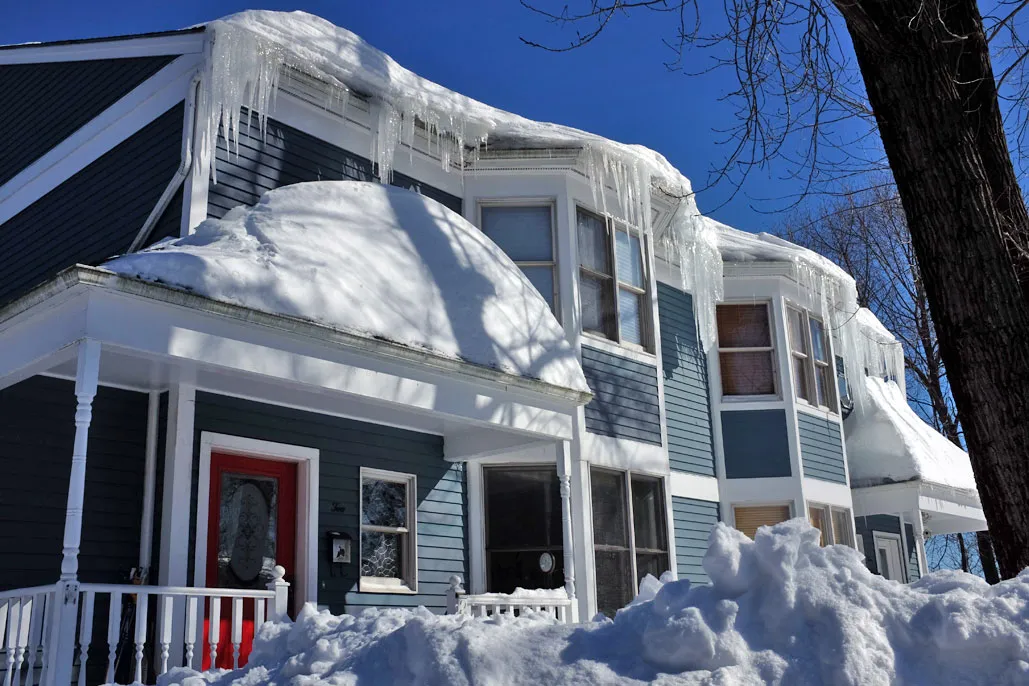
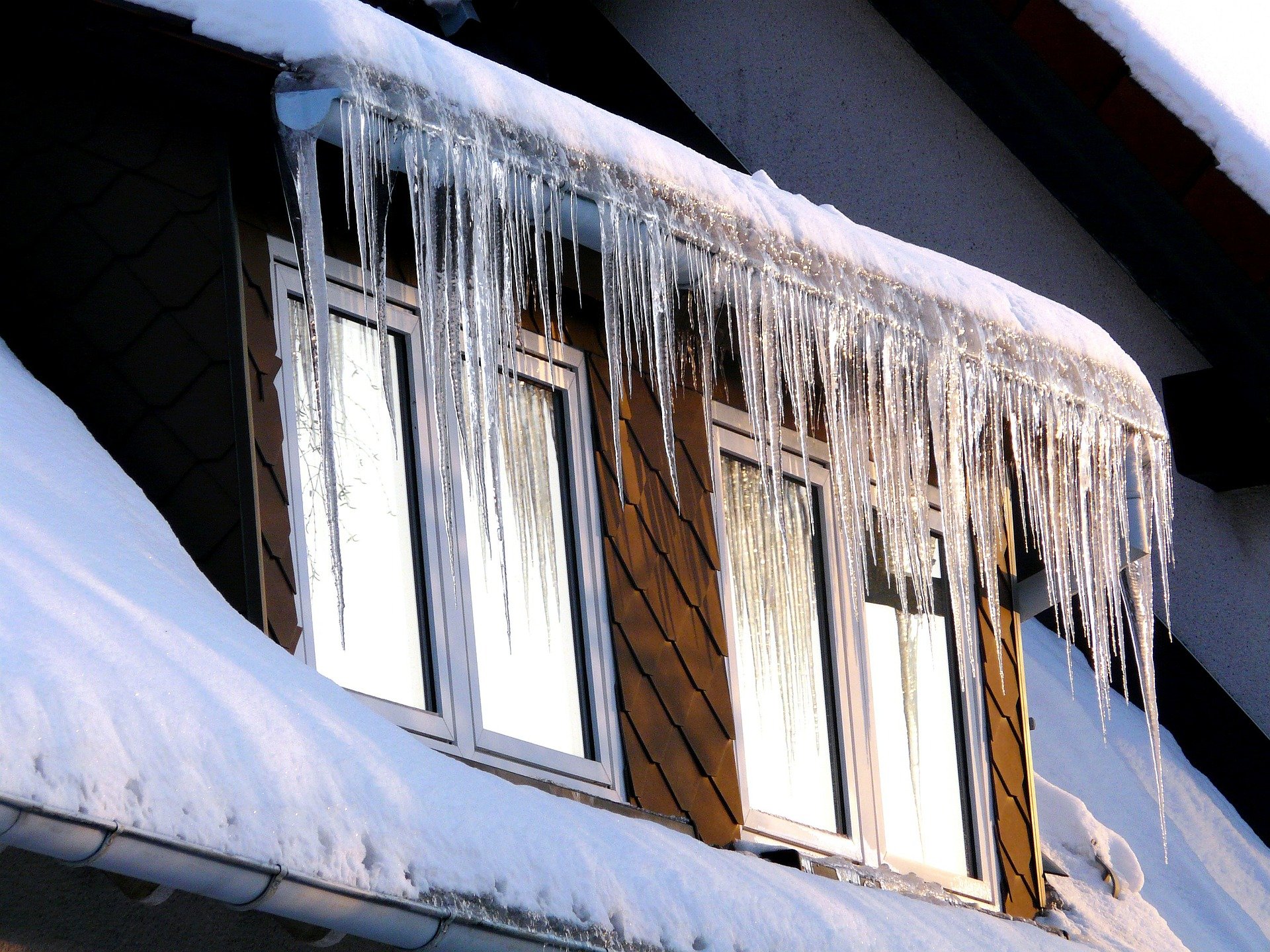
What Standing Ice Does to a CT Colonial
Every hour you wait, the damage gets worse — and more expensive
Connecticut’s pre-war housing leaks heat by design — which is why the same eave dams every single January.
Connecticut’s colonial-era housing stock leaks heat into the roof by design — which is why the same Litchfield or Hartford home dams year after year until the cycle is broken.
Staining That Keeps Spreading
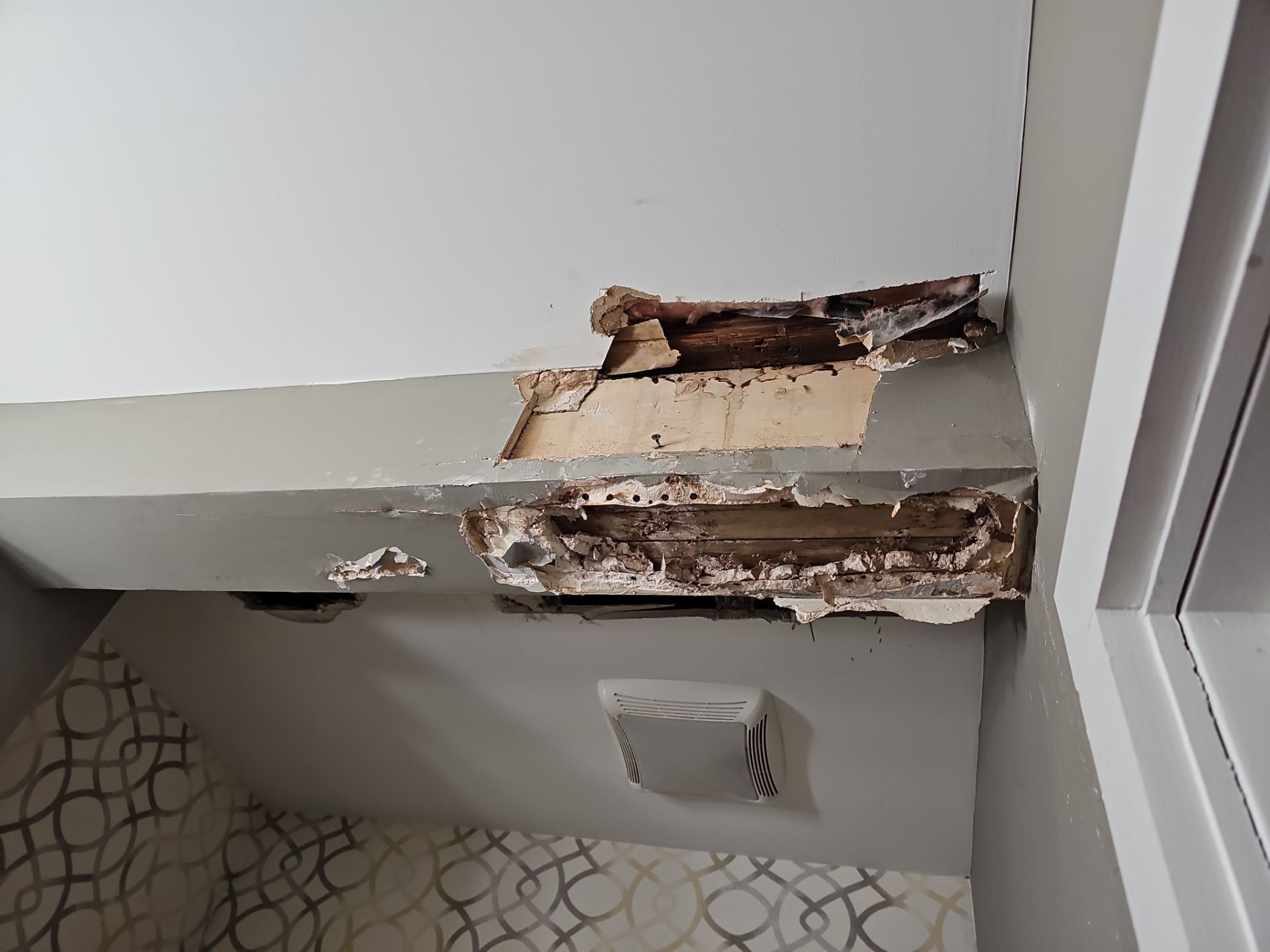
Dark staining and detached ceiling material. Each melt cycle widens the path the water already found.

Attic Sheathing & Mold
A closed attic traps the moisture, and mould is the predictable result.

Ceiling Water Staining
Trapped meltwater soaks the deck and appears as discolouration on the ceiling below. It spreads every time the roof thaws.
Connecticut Winters Make Ice Dams Especially Dangerous
Connecticut gets hit from every angle when it comes to ice dams. Storm systems load Fairfield County, New Haven Area and Hartford Region, while Litchfield Hills and Eastern CT take their own share of accumulation each winter. And the entire state runs the freeze-thaw cycling that rebuilds dams within days of a thaw — which is why removal, not waiting, is the only reliable reset.
Every time temperatures swing above and below freezing, snow on your roof partially melts. That water runs downhill, hits the cold overhang, and refreezes — growing the ice dam bigger and bigger. Eventually, the water has nowhere to go but under your shingles and into your home. Connecticut’s older housing stock — vintage homes through Fairfield County, mid-century neighborhoods across Litchfield Hills, and farmhouses out through Eastern CT — is especially vulnerable because so much of it lacks modern insulation and ventilation.
- Day 1-3: Small drips, minor water stains on ceilings
- Day 4-7: Spreading water damage, saturated insulation
- Week 2+: Mold begins growing in walls and attic
- Week 3+: Structural damage to framing, potential ceiling collapse

One Ice Dam Leak Can Reach Insulation, Drywall, Trim And Framing
Removal stops the water at the source — and with an active leak, insurance often covers both the removal and the interior repairs. Send the form and we’ll walk you through it.
Call (860) 200-7065Low-Pressure Steam for Connecticut Homes
The only method that removes ice dams without damaging your roof
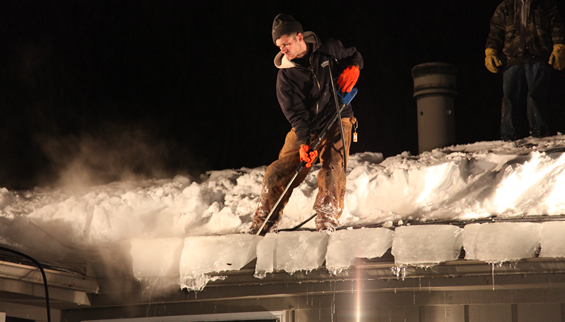
Shoreline contemporary or Litchfield colonial, steam removes the ice load without disturbing a shingle beneath it.

Our Arctic Steamer® running curbside while the roof crew works the ice.
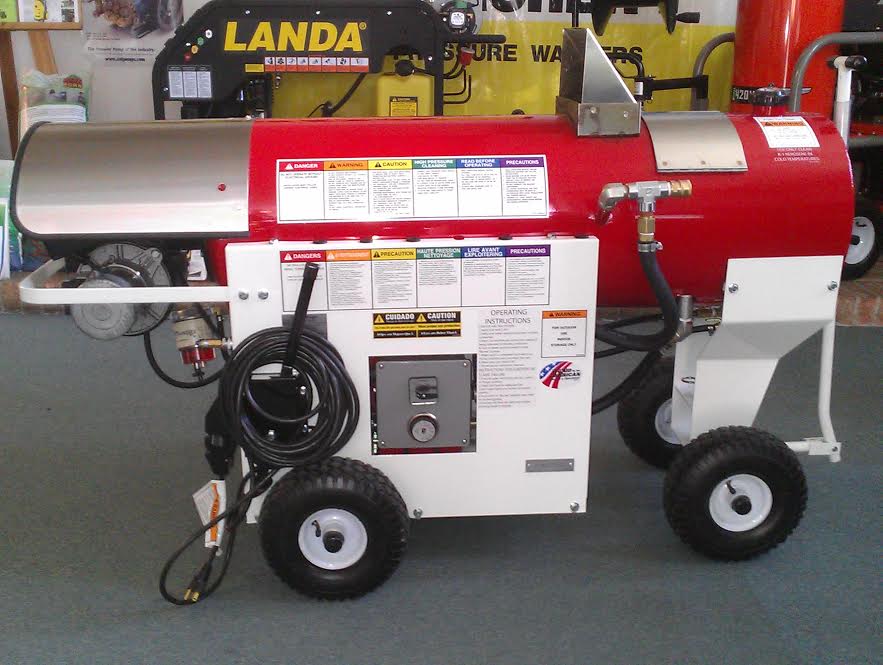
Our Arctic Steamer® unit — the reason this method leaves the roof intact.
The Equipment: Arctic Steamer® Low-Pressure Steam
Connecticut splits in half every winter: the coast cycles freeze-thaw off Long Island Sound while the Litchfield Hills and the northwest corner hold cold like New England proper. The same nor'easter gives Stamford slush and Torrington a dam that lasts a month — and steam handles both without touching a shingle.
Colonials and capes dominate the housing here, and their short cold eaves are where the state's ice concentrates. Crews work the full corridor from Hartford and New Haven up through the hill towns.
Why Steam Is the ONLY Safe Method:
- Zero roof damage — low-pressure steam, no physical impact
- Protects your shingles — no cracking, denting, or tearing
- Preserves your warranty — manufacturer-approved method
- Complete removal — melts ice all the way down to the surface
- Fast results — professional equipment works in hours, not days
- Chipping with picks or hammers (damages shingles and voids warranty)
- Pouring salt or calcium chloride (corrodes metal, kills landscaping)
- Pressure washing (forces water under shingles, causes more leaks)
- Heat guns or torches (serious fire hazard)
You Call Us 24/7
Call our emergency line anytime. We gather details about your ice dam and schedule arrival within 24 hours.
Roof Assessment
Our technician inspects the ice dam, identifies water entry points, and documents any existing damage.
Steam Removal
Using our Arctic Steamer®, we safely melt and remove all ice. No damage to your roof, shingles, or gutters.
Documentation
We provide photos and reports of the work done — helpful if you file an insurance claim for the damage.


The Arctic Steamer® unit that powers every Connecticut removal — heat only, never impact.
The Mold Risk Behind Connecticut Plaster
Ice dam leaks don't just cause water stains — they create the perfect breeding ground for dangerous mold
Horsehair plaster and old sheathing hold moisture longer than modern assemblies — and show mold later.

Severe Attic Mold on Roof Sheathing
When ice dam water seeps into your attic, it saturates the OSB or plywood sheathing. Within weeks, black mold covers the entire underside of your roof deck — requiring full sheathing replacement.

Mold Destroying Attic Insulation
Wet insulation is a mold magnet. Once your fiberglass or cellulose insulation gets saturated from ice dam leaks, it loses all R-value and becomes a breeding ground for mold spores that spread throughout your home.

Black Mold on Structural Beams
Mold doesn't just grow on surfaces — it eats into wood. Structural beams, joists, and rafters compromised by mold lose their structural integrity, creating a safety hazard for your entire home.

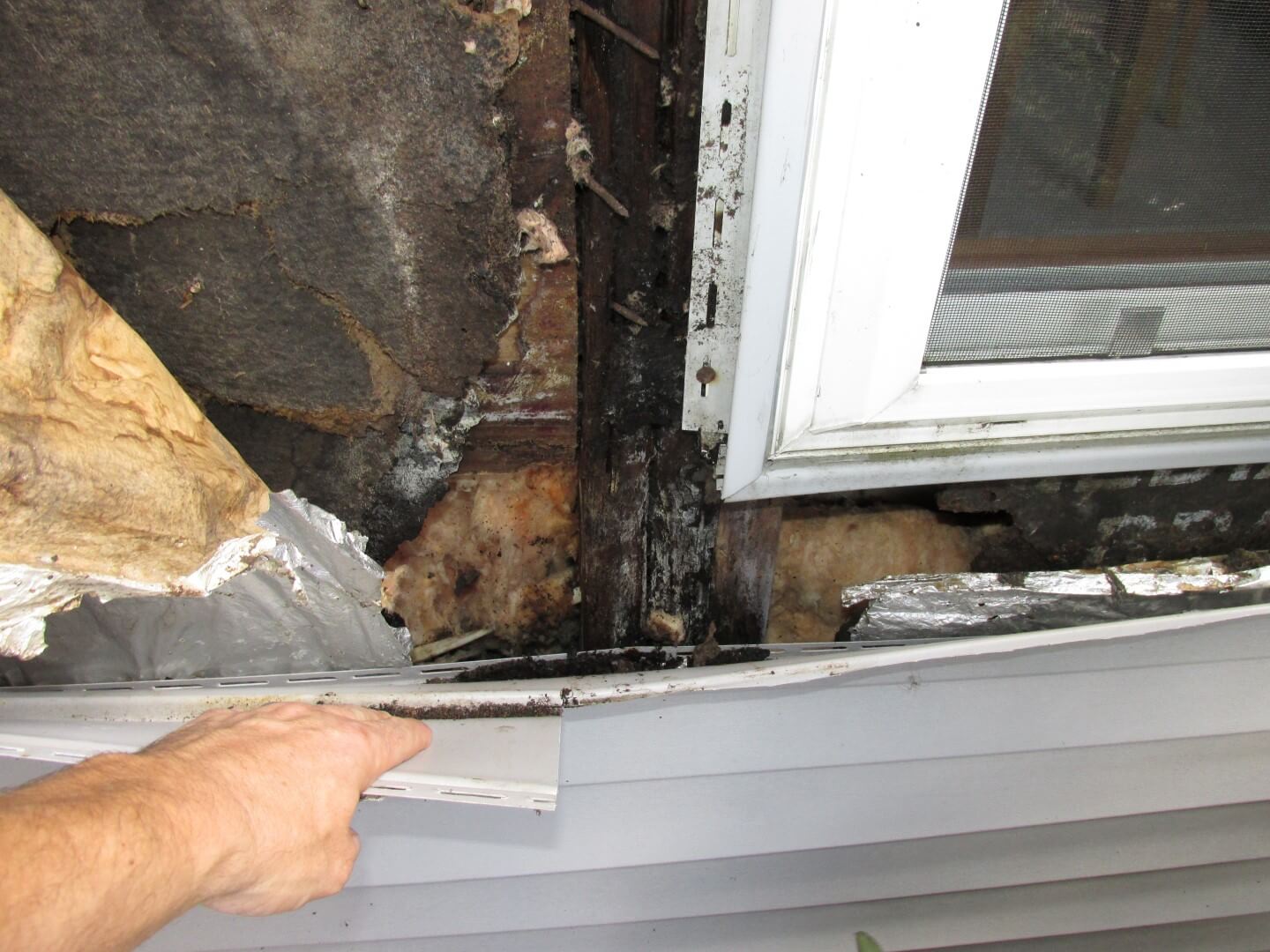
Mold Behind Your Walls
Water from ice dams travels down through your walls, soaking studs and drywall from the inside. You won't see it until the mold is severe enough to penetrate through to the visible surface — by then, the damage is extensive.

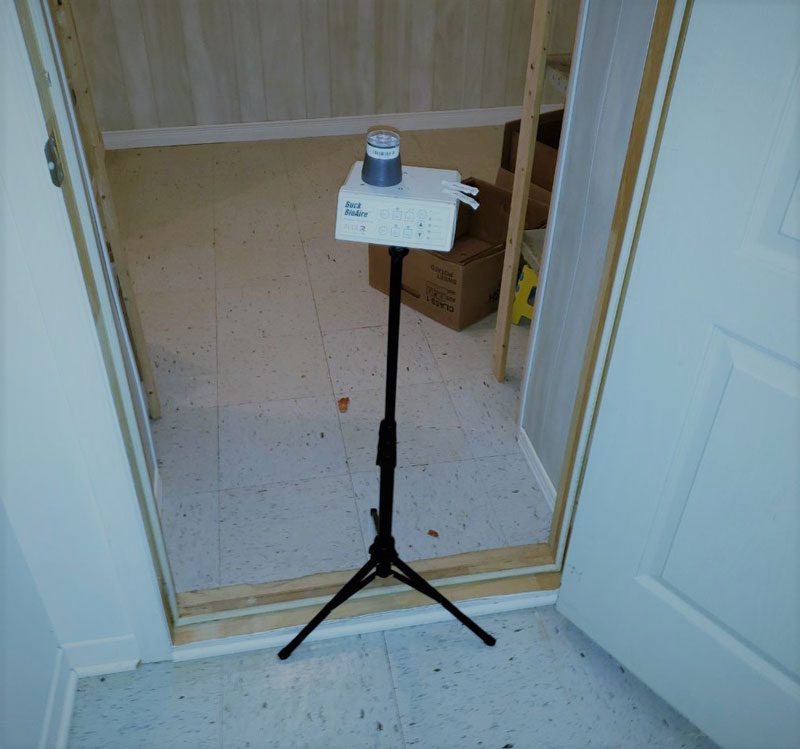
Attic Mold Inspection
Professional inspections often reveal mold growth that homeowners had no idea existed. By the time it's visible, the contamination has usually spread far beyond what you can see — affecting your indoor air quality.

Professional Mold Remediation
Once mold takes hold, professional remediation requires hazmat-level protective gear, containment barriers, HEPA filtration, and often complete removal of affected materials. It's a major, disruptive, and expensive process.
Why Connecticut Homes Are Especially Vulnerable
Much of Connecticut’s housing was built long before modern insulation and ventilation standards existed — historic neighborhoods through Fairfield County, established streets across New Haven Area and Litchfield Hills, and older rural properties out through Eastern CT and Naugatuck Valley. These homes leak heat into the attic by design.
The result? Heat escapes into the attic, melting roof snow faster and creating massive ice dams. And when those ice dams cause leaks, the poor ventilation in older attics means moisture has nowhere to go — creating ideal conditions for rapid mold growth.
The health risks are serious. Mold spores become airborne and circulate through your HVAC system, affecting every room in your home. Exposure can trigger respiratory issues, allergic reactions, headaches, and worsen conditions like asthma — especially dangerous for children, elderly family members, and anyone with compromised immune systems.
The only guaranteed way to prevent ice dam mold is to remove the ice dam before the leak causes lasting damage.
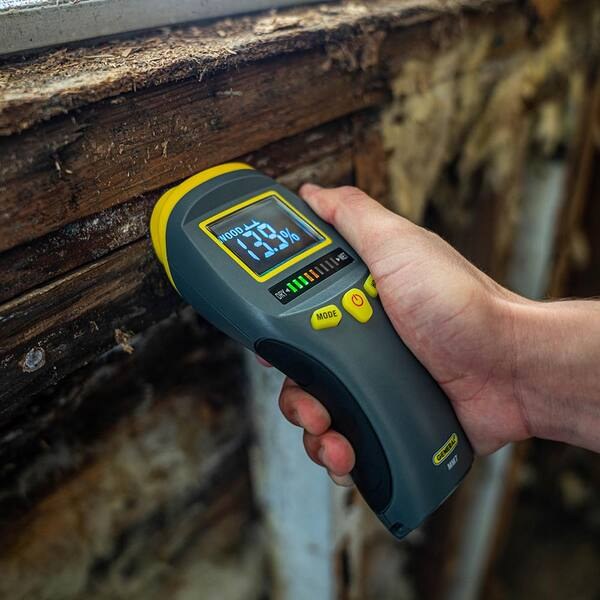
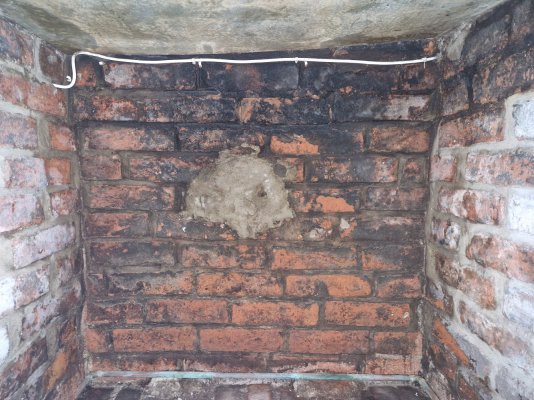
Mold Spores Activate
Moisture from the ice dam leak triggers dormant mold spores on wood surfaces. Invisible growth begins.
Visible Colonies Form
Dark spots appear on sheathing, joists, and insulation. Musty odors may become noticeable.
Widespread Contamination
Mold spreads across large areas of your attic. Spores enter your HVAC system and circulate throughout your home.
Structural Damage
Wood begins to rot and lose structural integrity. Full remediation now requires gutting affected areas.
Mold Turns A Roof Repair Into A Health Problem — Act Before It Spreads
Don't wait until a mold problem turns your ice dam into a health crisis and a financial nightmare. Remove the ice dam now, stop the moisture at the source, and protect your family and your home.
Connecticut Coverage: Reading Your Policy Right
With water actively coming in, most policies treat removal as water mitigation — covered more often than not, though never guaranteed
Most Connecticut policies treat active-leak removal as covered mitigation — the wording matters, and we read it with you.
We Help Make the Insurance Process Easy
Connecticut homeowner policies respond to ice dam water damage under dwelling coverage, and the state's older housing raises the stakes: plaster, original trim and layered renovations make interior repairs cost real money when claims are underscoped.
We document to that reality — entry point, damage extent, and the materials involved — so the settlement reflects a 1920s colonial's actual repair costs, not a drywall allowance.
Full claim support comes standard; see the process on our ice dam insurance claims page.
What We Do to Help Your Claim:
- Photo documentation — Before, during, and after the ice dam removal
- Damage assessment report — Detailed notes on what we found
- Professional invoice — Clean documentation for your insurer
- Scope of work — Clear description of services performed

Call Us for Service
We come out, assess the damage, and remove the ice dam with our Arctic Steamer® equipment. We document everything thoroughly with photos and reports.
File Your Claim
Contact your insurance company and file a claim for ice dam damage. Use the documentation and photos we provided to support your claim.
Carrier Reviews & Decides
Your insurer reviews the documentation and makes the coverage call. With an active leak, more cases than not are covered — and our records make the review straightforward.

Heated Roof & Gutter Cables in Connecticut
A dam that returns every winter is a geometry problem, and geometry doesn't fix itself. Heat cables laid through the eaves and gutter runs give Connecticut homes a permanent melt path where the roofline traps water.
From sizing to spring shut-off, we handle cable systems across Connecticut. If your icing is a one-bad-winter event rather than an every-year pattern, we'll steer you away from the install.
Learn About Heat Cable InstallationOn the Ground in Connecticut — On Your Roof Within 24 Hours
Same-day & next-day arrival with a 24-hour arrival window — anywhere in Connecticut
24/7 Scheduling
Our phone lines are open around the clock — days, nights, weekends, holidays. When ice dams strike anywhere in Connecticut, we answer.
24-Hour Arrival Window
Book it and a crew is on site inside 24 hours. We have teams positioned across Connecticut for the fastest possible response statewide.
All of Connecticut
From Fairfield County to Hartford Region, Litchfield Hills to Eastern CT, and New Haven Area to Naugatuck Valley — every city and town in the state. No exceptions.
Licensed & Fully Insured
Liability and workers' comp are in place before anyone sets a ladder. Your home and our crew are fully protected during every job across Connecticut.
400+ Five-Star Reviews
Four hundred-plus homeowners have rated the work five stars. A 4.9 average across 400+ reviews is the short version of how we work.
Free Quote — No Obligation
No cost, no commitment, no follow-up pressure. Send the form and we’ll confirm your details, your roof situation and when a crew can be there.
We Service Every Corner of Connecticut
Every city, every county, statewide — steam crews on a 24-hour arrival window
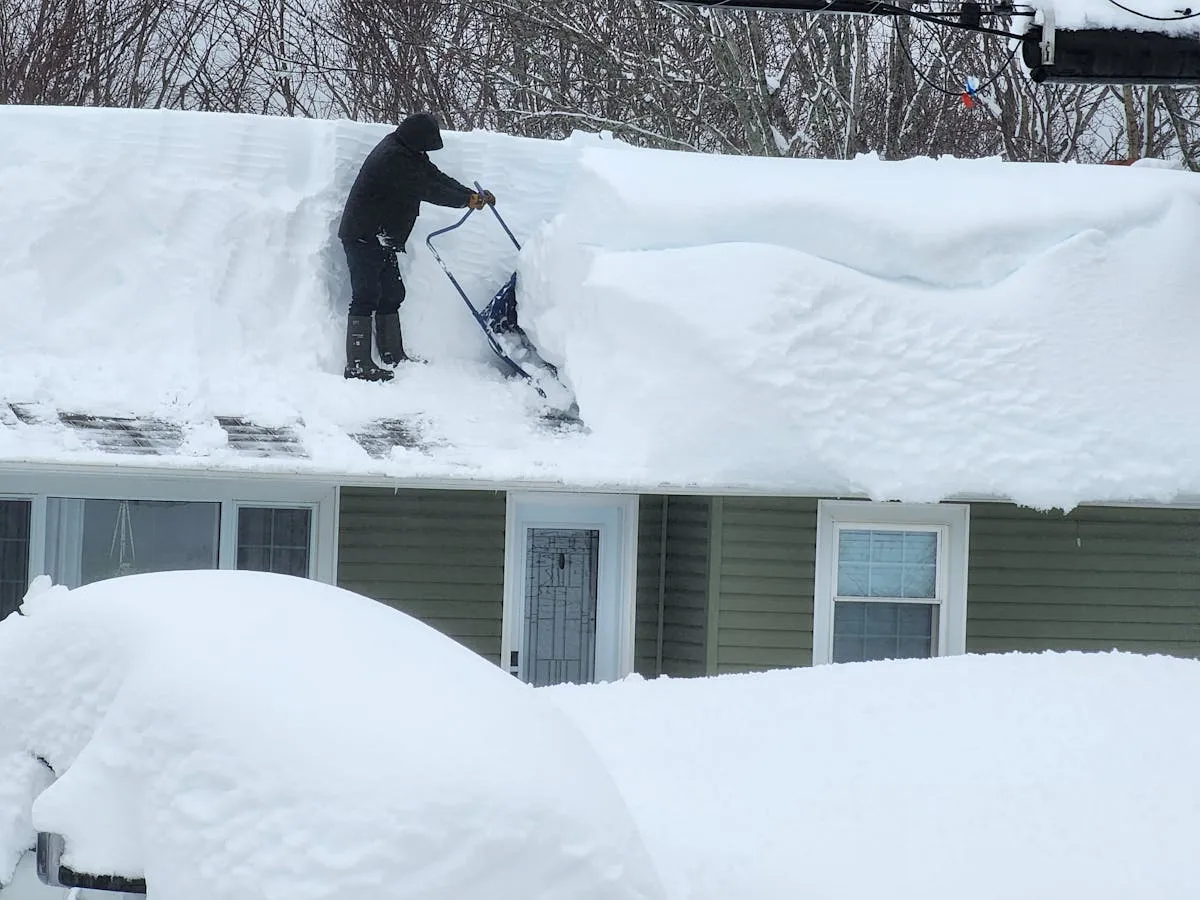
Roof Snow Removal in Connecticut
Litchfield Hills roofs hold snow weeks longer than the shoreline, and crews clear the load with roof-safe methods — never steel on shingles — prioritizing long spans, drifted zones and structures showing stress. Photos get you a free load read before anything is scheduled. Learn more about our roof snow removal service or snow removal in Connecticut.
Commercial Ice Dam & Roof Snow Removal in Connecticut
Flat-roof load clearing with drainage paths opened first, per-building documentation, and seasonal program scheduling — serving corporate campuses, mixed-use blocks and shoreline commercial properties. See commercial winter services in Connecticut.
Ice Dam Removal By City In Connecticut
Local pages with Connecticut-specific winter detail, service coverage and answers for each area. Don’t see your town? Every page lists the surrounding communities that dispatch covers.
What Connecticut Customers Say
Nutmeg State Questions, Answered
What Connecticut homeowners ask before the crew rolls — answered straight.
Why do the Litchfield Hills get so much worse winter than the shoreline?+
Elevation — the northwest corner runs colder and holds snow for weeks after the coast clears. Same storm, different winter, and the hills’ dams last longest.
Do you serve Fairfield County and the New York border towns?+
Fully — Stamford to Danbury and everything between, on the same statewide 24-hour window.
My colonial gets ice dams every year — is that just old-house life?+
It’s fixable old-house life — pre-war Connecticut homes leak heat into their roofs by design. We remove this year’s ice and can map the air-sealing that changes next year.
Does Connecticut homeowners insurance cover ice dam water damage?+
The sudden interior intrusion typically qualifies — our removal documents the dam, the entry path and the damage while it’s all still visible.
Can you handle both my home and my commercial building?+
Yes — residential steam work and commercial load clearing run from the same dispatch, with flat-roof drainage-path priority on the commercial side.
How fast can you get to me in Connecticut?+
Within a 24-hour arrival window anywhere in the state — active leaks get priority, and the compact geography means Connecticut calls often land same-day.
Why does the northwest corner keep snow so much longer?+
Elevation — Litchfield County runs a climate zone colder than the shoreline, holding pack and dams weeks after Stamford is clear.
Do you work on historic district homes in Connecticut?+
Carefully and often — steam is the removal method preservation-minded owners choose because it touches nothing but the ice.
Should I remove the ice dam or wait for a thaw in Connecticut?
Depends which Connecticut you're in. Shoreline towns often get a thaw window within days; the Litchfield Hills can wait a month. Either way, a dam with interior water behind it doesn't get to wait — the thaw that melts it also pushes the pond through your ceiling first.
Is heat cable worth it for a Connecticut home, or just call each winter?
For a chronic eave on a hill-town colonial, cable pays for itself in two skipped emergency calls. Coastal homes with occasional ice usually do better fixing the attic air leaks and calling the rare bad year. We'll tell you which category your roof is in.
Connecticut Ice Doesn’t Care About Your Zip Code — We Cover Them All
24/7 scheduling. Same-day & next-day arrival. Free quote. Active-leak claims are often covered. Serving every city and town across all of Connecticut.
Permits & Inspections in Connecticut
Permits and inspections are handled as part of the job. Permitting runs through the local authority for your address rather than a blanket filing.
Free Connecticut Estimate
Takes about 20 seconds.