
Splash Blocks & Extensions
Simple, When Simple Works
Sometimes the answer really is a splash block and a few feet of extension — and sometimes that’s a bandage on a drainage wound. Here’s the honest line between the two.
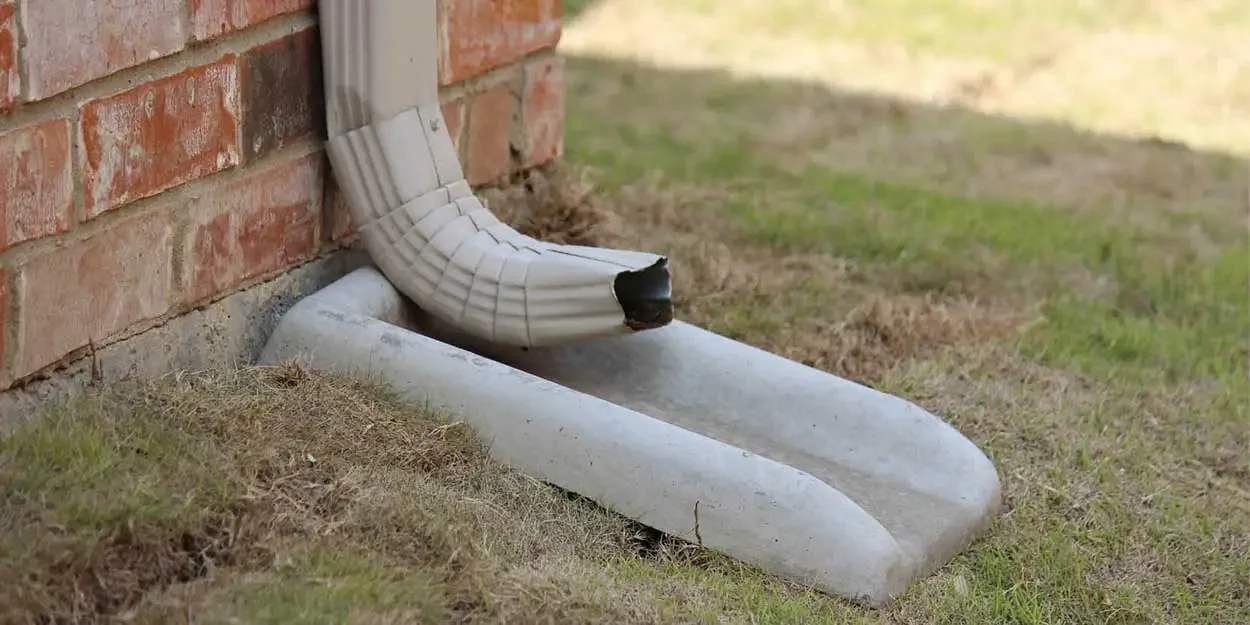
Good Grade Makes Cheap Solutions Work
On a lot that genuinely falls away from the house, a splash block or rigid extension moving water a few feet past the backfill zone does the whole job — the grade takes it from there. We set blocks on prepared, sloped bases (a block tilted toward the house is decoration), size extensions past the disturbed soil line, and add rock beds where discharge needs to land soft and spread.
Flat Lots & Wet Basements Outrank Blocks
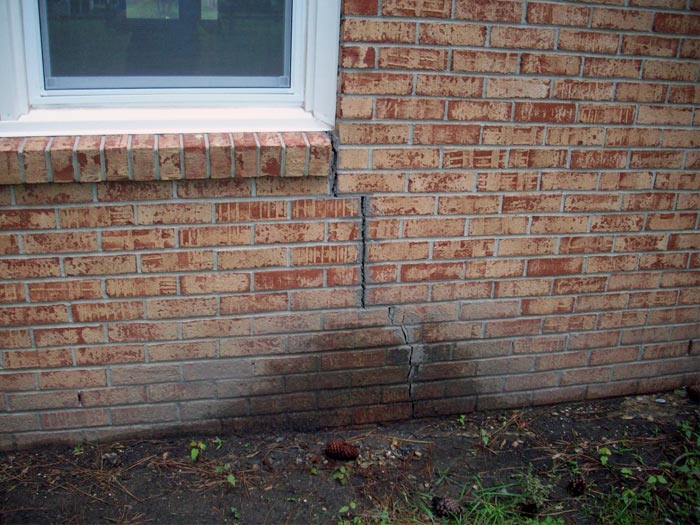
Flat or house-tilted grades return every gallon to the foundation no matter how nice the block; freeze-heaved extensions get mowed, kicked, and forgotten. If your basement corner dampens after rain or the foundation is showing water history, the honest answer is buried drainage — and we’d rather tell you that at the free assessment than sell you a prettier bandage.
Asked From The Bottom Of The Ladder
Are splash blocks better than roll-out extensions?
Blocks handle aim and erosion at the outlet; rigid extensions add distance. Many drops want both — and either beats the flip-up plastic accordion that lives folded shut.
How far should water discharge from the house?
Past the backfill zone at minimum — several feet — and farther on flat lots. When “far enough” is not achievable on the surface, that is the underground-drain conversation.
Do you really do a free visit for something this small?
Yes — because half these visits reveal the small fix genuinely works, and the other half catch a foundation problem while it is still cheap.
Do splash blocks really work?
On grades that genuinely fall away from the house, yes — set sloped on a prepared base, they move water past the critical backfill zone. On flat lots they’re decoration.
How far should downspouts discharge from the foundation?
Several feet past the backfill zone minimum, farther on flat ground — and when the surface can’t get you there, that’s the underground-drain conversation.
Should splash blocks be flush with the ground?
Set into grade enough to stay put, sloped away from the house — a block that tilts back toward the foundation is worse than none.
Concrete or plastic splash blocks — which is better?
Concrete stays where storms and mowers put pressure; plastic wanders. For the cost difference, concrete wins almost every placement.
Do I need splash blocks with underground drains?
No — buried drains replace them entirely. Blocks are the surface solution for grades that can do the rest of the work.
Discharge Options, Ranked
From humble to buried.
Downspout Dumping At The Wall?
Free look at the grade — simple fix or real fix, called honestly.