
Roof Insurance Claims
Explained Straight
ACV vs RCV, what your deductible actually covers, why the first estimate is rarely the final number — the roof claim process explained by a company that runs it every single day.
ACV, RCV, And Why It Matters
Two policy types decide everything. Replacement Cost Value (RCV) pays what a new roof costs, released in stages; Actual Cash Value (ACV) pays that number minus depreciation for your roof’s age — on a 15-year-old roof, that difference is enormous. Most Ohio homeowner policies are RCV, but the ACV check arrives first either way, which is where homeowners get confused and carriers count on it. The Insurance Information Institute covers the general filing process; what it can’t tell you is what your roof damage is actually worth.
Inspection To Payment, Step By Step
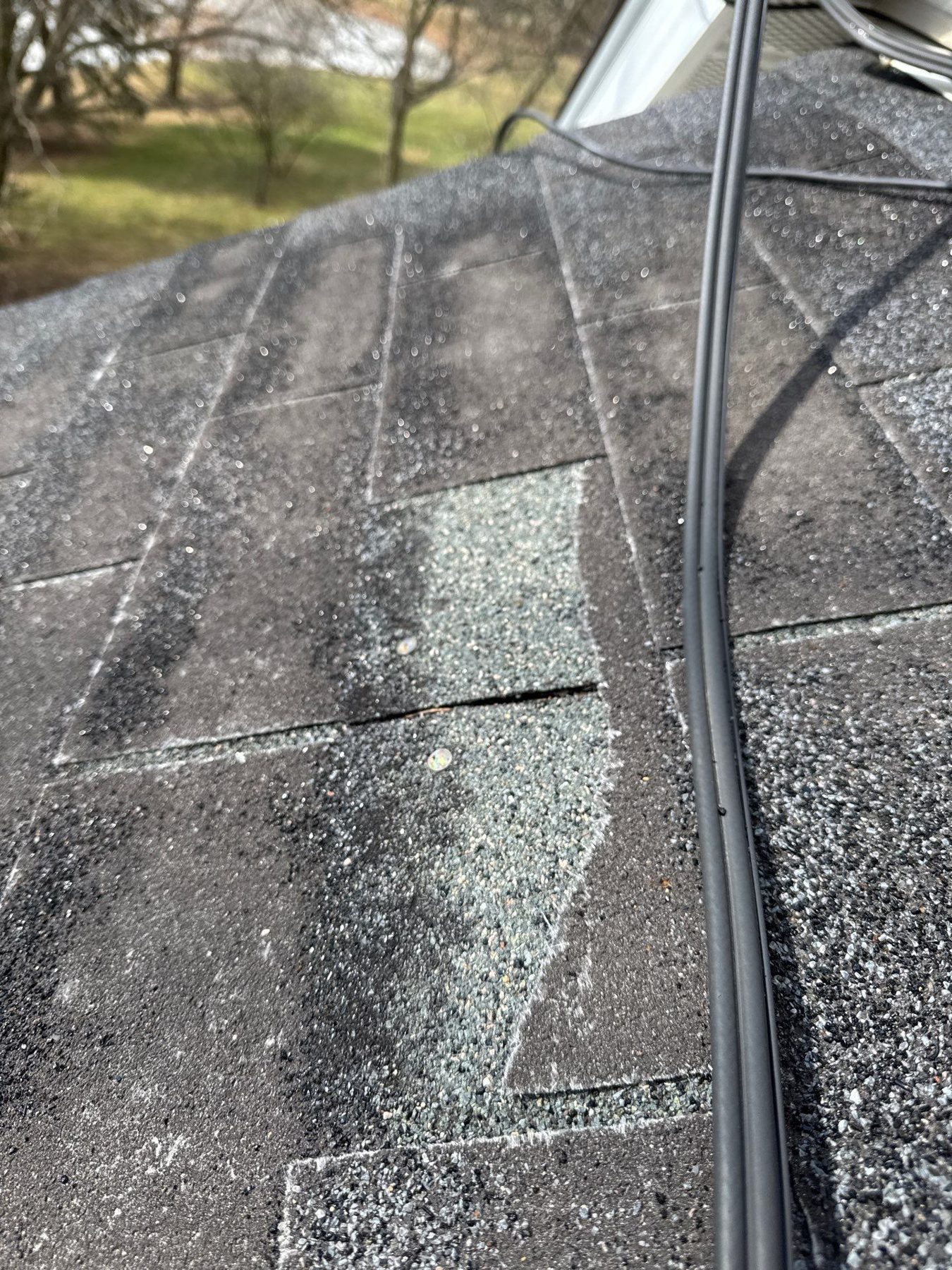
The claim that pays right follows one order: document first (photos, test squares, measurements), file with evidence attached, meet the adjuster on the roof — not the driveway — then supplement whatever the estimate missed, and release recoverable depreciation when work completes. Skip a step and the scope shrinks. We run all of it, and on approved claims you pay your deductible — period.

Straight Answers On Claims
What will I actually pay out of pocket?
On an approved claim with our team: your deductible. We handle supplement negotiations and absorb reasonable shortfalls on contracted scope — that’s the model.
Should I get an estimate before filing a claim?
Get an inspection, not a retail estimate. If damage qualifies, the claim sets the price from carrier software — what matters is complete documentation before the adjuster arrives.
How long does a roof claim take?
Simple approved claims: 2–6 weeks from filing to first check. Supplemented claims run longer — and are usually worth every added week.
Will my rates go up if I file?
Weather claims are not-at-fault; they typically don’t trigger the surcharges at-fault claims do, though area-wide storm losses can raise everyone’s rates whether you file or not. Filing rarely changes that math — ask your agent.
Does homeowners insurance cover a 20-year-old roof?
Increasingly with schedules or ACV-only terms for older roofs — your policy’s roof endorsement decides, and we read it free before anyone files anything.
How many quotes do I need for an insurance claim?
None in the retail sense — the carrier’s estimate sets the scope and price; documentation and supplements correct it. Claims aren’t a three-bid process.
What should I not say to my insurance adjuster?
Don’t guess at causes, ages or pre-existing conditions — speculation gets transcribed. Describe what happened and when; let documentation carry opinions.
Can I keep leftover insurance claim money?
On RCV policies the structure prevents it — depreciation releases against completed scope. Pocketing check one and skipping work forfeits check two and leaves a documented unrepaired loss on your property record.
Go Deeper
The claim topics that decide real money.
Your Policy Owes What It Owes
Free inspection and a straight answer on whether you have a claim worth filing.