RCV claims pay in two parts: the depreciated first check, and the held-back depreciation released when work completes. The second check has paperwork and a deadline — and it gets forfeited constantly.
The difference between Recoverable Depreciation that lasts and Recoverable Depreciation that fails early is usually line-item pricing, material match testing or depreciation. We check all of them on site rather than estimating blind, document findings with dated photographs, and price the work in writing first. Licensed contractor, fully insured, 400+ five-star reviews.
Water damage gets worse every hour — call nowRecoverable Depreciation — priced in writing before we start, no obligation.
On a replacement cost policy the insurer first pays actual cash value, which is the replacement cost minus depreciation for age and wear. The withheld depreciation becomes recoverable once the work is completed and documented. Failing to submit that final documentation is a common way homeowners leave the second payment unclaimed. Related: insurance supplements and roof insurance claims.
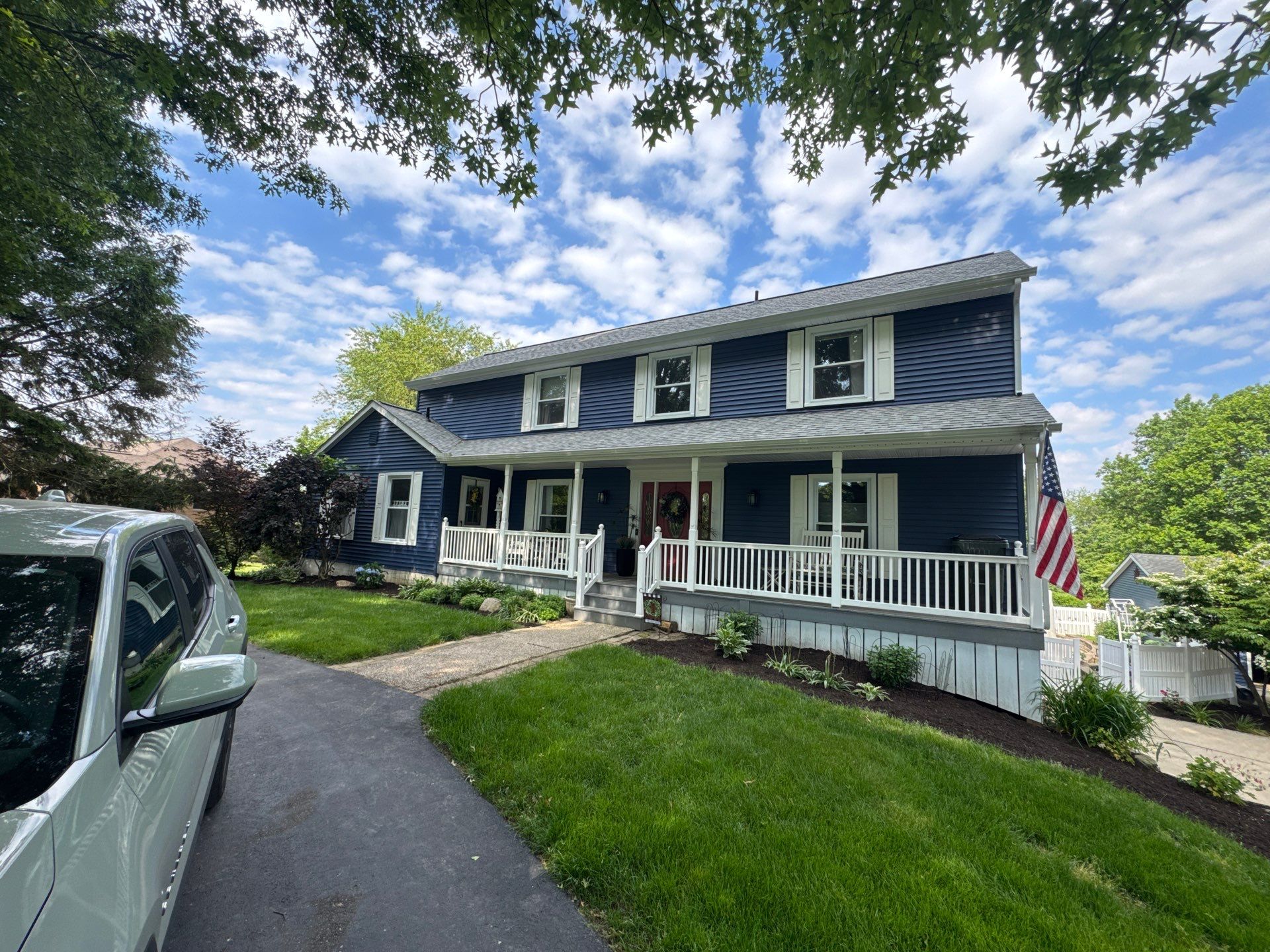
On a Replacement Cost policy the carrier first pays Actual Cash Value — replacement cost minus depreciation for age. The withheld difference is recoverable depreciation, released only when you prove the work happened at the claimed scope. A $20,000 roof claim might arrive as $12,000 now, $8,000 “recoverable” — and that $8,000 stays with the carrier until the certificate of completion and final invoice land on the right desk. Homeowners who pocket check one and patch cheap forfeit check two by design.
Release takes a completion package: certificate of completion, final invoice matching the approved scope, and often photos — filed before the policy deadline, commonly 180 days to a year after the loss or the ACV payment. We file it on every claim job as routine, because a forfeited deadline turns your RCV policy into an ACV policy retroactively. If a deadline is looming on a stalled project, extensions can be requested in writing — another thing that has to happen before, not after.

Your claim summary shows it as a line: RCV, less depreciation, equals ACV paid. If those words appear, a second check exists.
Policy-specific — commonly 180 days to a year from the loss date or ACV payment. We read yours and calendar it on day one; October deadlines on winter losses sneak up fast.
Generally you must prove completion at claimed scope with documentation; DIY makes that harder and some carriers scrutinize it heavily. Ask before you swing a hammer.
Carriers release depreciation against actual completed scope — another reason the approved scope and the contract should match, which is how we build every claim job.
It stays with the carrier and expires at your policy’s deadline — commonly 180 days to a year — converting your RCV policy into ACV retroactively.
Insurance proceeds restoring your property generally aren’t taxable income — but that’s a question for your tax professional, and worth asking with the claim summary in hand.
Release tracks actual completed scope — the carrier pays depreciation against work performed, which is why contract and approved scope should mirror each other.
Carrier practices vary and some states restrict labor depreciation — your claim summary shows how yours was computed, and it’s worth reading before accepting the math.
The exterior works as one assembly — these are the pieces that connect to this one.
A supplement is a request to revise an approved claim when…
Learn more →Most policies cover sudden, accidental damage from a specific event such…
Learn more →Also called ordinance or law coverage, it pays for bringing repairs…
Learn more →A denial is a position, not a final outcome.
Learn more →Gutters damaged by a covered event are generally part of the…
Learn more →Hail damage on asphalt appears as random soft-bruise impacts with granule…
Learn more →Recoverable Depreciation is available across our licensed service territory in Ohio, Pennsylvania and New York. Find your city below, or call (330) 918-1018.
Free claim-summary review — we’ll find withheld depreciation and the deadline attached to it.
Takes about 20 seconds.
