EPDM rarely fails in the field — it fails at seams, penetrations, and shrinking edges. All repairable, properly, for a fraction of replacement when the membrane still has life.
Rubber Roof Repair done properly comes down to components most quotes never mention: pipe boots, the valleys and the ridge vent. We inspect each before pricing, photograph what we find, and put the scope in writing so you see exactly what you're paying for. Licensed and insured across Ohio, Pennsylvania and New York.
Water damage gets worse every hour — call nowRubber Roof Repair — priced in writing before we start, no obligation.
Yes. Most EPDM failures occur at seams, flashing terminations and penetrations rather than in the field membrane, and those are repairable with compatible tape or adhesive systems. Compatibility matters: standard roofing cement degrades EPDM. Field punctures patch well as long as the underlying insulation is still dry. Related: flat roofing ohio pa ny and commercial roofing & flat roof repair.
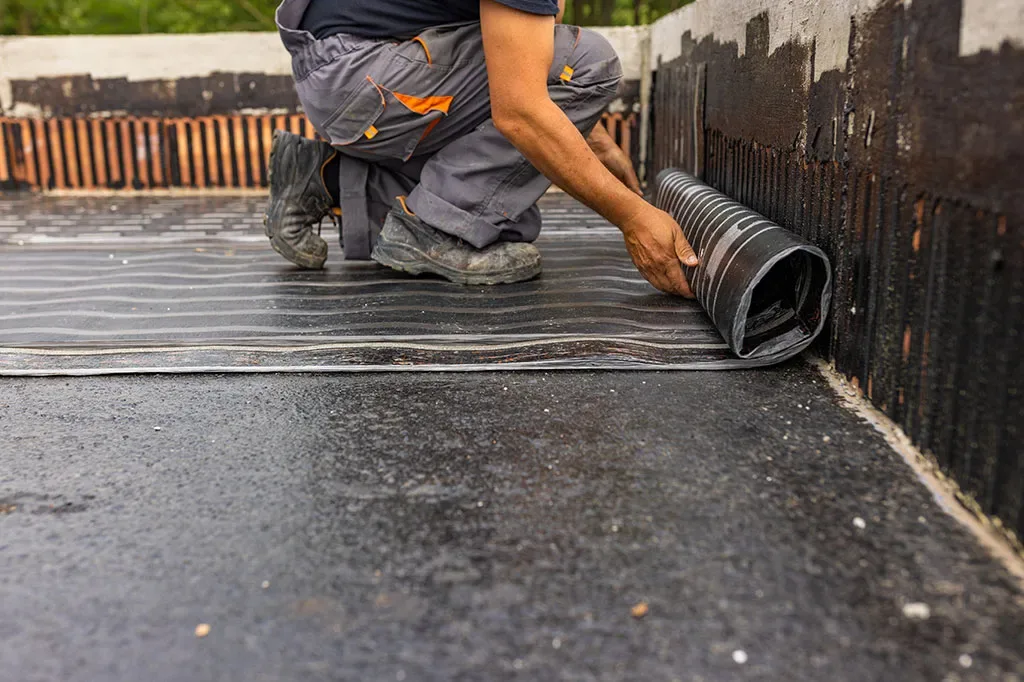
Old seam adhesives let go after 15–20 years; membranes shrink and pull flashings off walls and curbs; branches and foot traffic punch holes. Each has a correct fix: seams primed and re-bonded with modern seam tape, shrinkage relieved and edges re-terminated, punctures cleaned and patched with pressure-rolled EPDM patch — not the roof cement somebody smeared on last time, which fails within seasons and contaminates the surface for the real repair.
A sound membrane with a failed seam deserves a repair. A chalking, shrinking, multi-patched membrane past 25 years deserves the truth: further patches are rent, not repair. We give the verdict with photos and moisture checks — and when replacement wins, the new membrane system gets quoted with the drainage corrections the old roof taught us it needs.

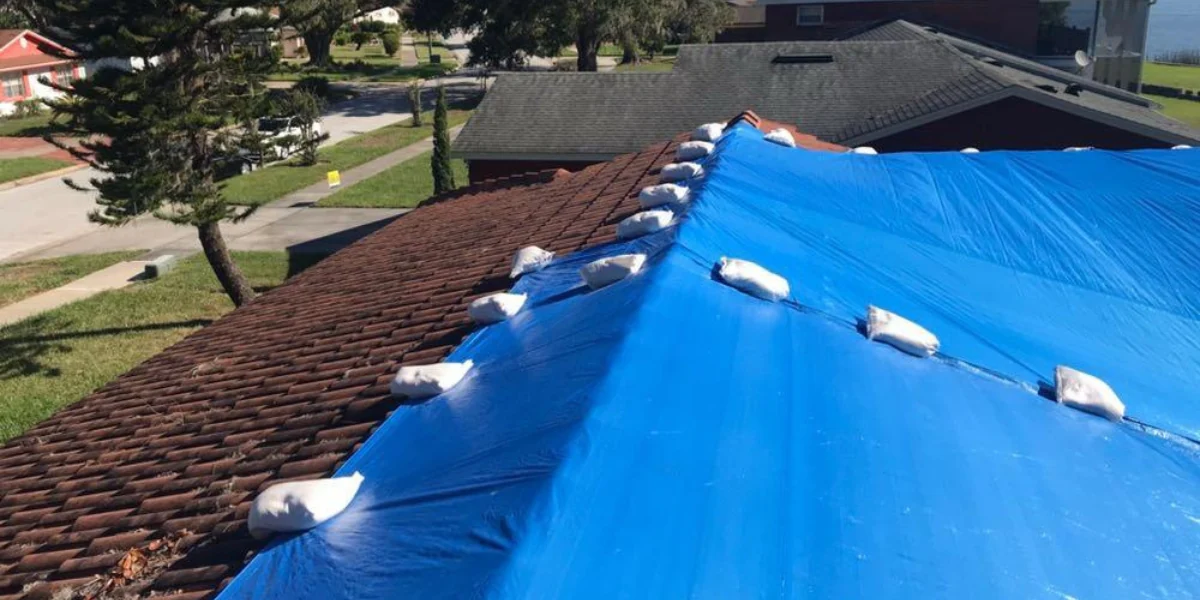
Yes with the right primers and materials — winter emergency patches are routine for us; permanent repairs follow in workable temps when needed.
Almost always contamination or roof cement — asphalt products attack EPDM. Proper repairs start with cleaning and priming, which is the step that gets skipped.
If storm damage caused it — a puncture from wind-blown debris, a limb strike — often yes. We check causation on every leak call.
Peel-and-stick patches exist, but surface prep is the whole game — most DIY patches fail at the edges within seasons and contaminate the area for the proper repair.
Twenty to thirty years done right; seam and termination quality — not the membrane itself — usually decides which end you get.
Clean the area and use EPDM-compatible tape as a stopgap — never roof cement, which attacks the membrane and ruins the surface for the real repair.
Water travels between membrane and deck, so we trace seams, penetrations and terminations upslope of the interior stain — and flood-test when it hides.
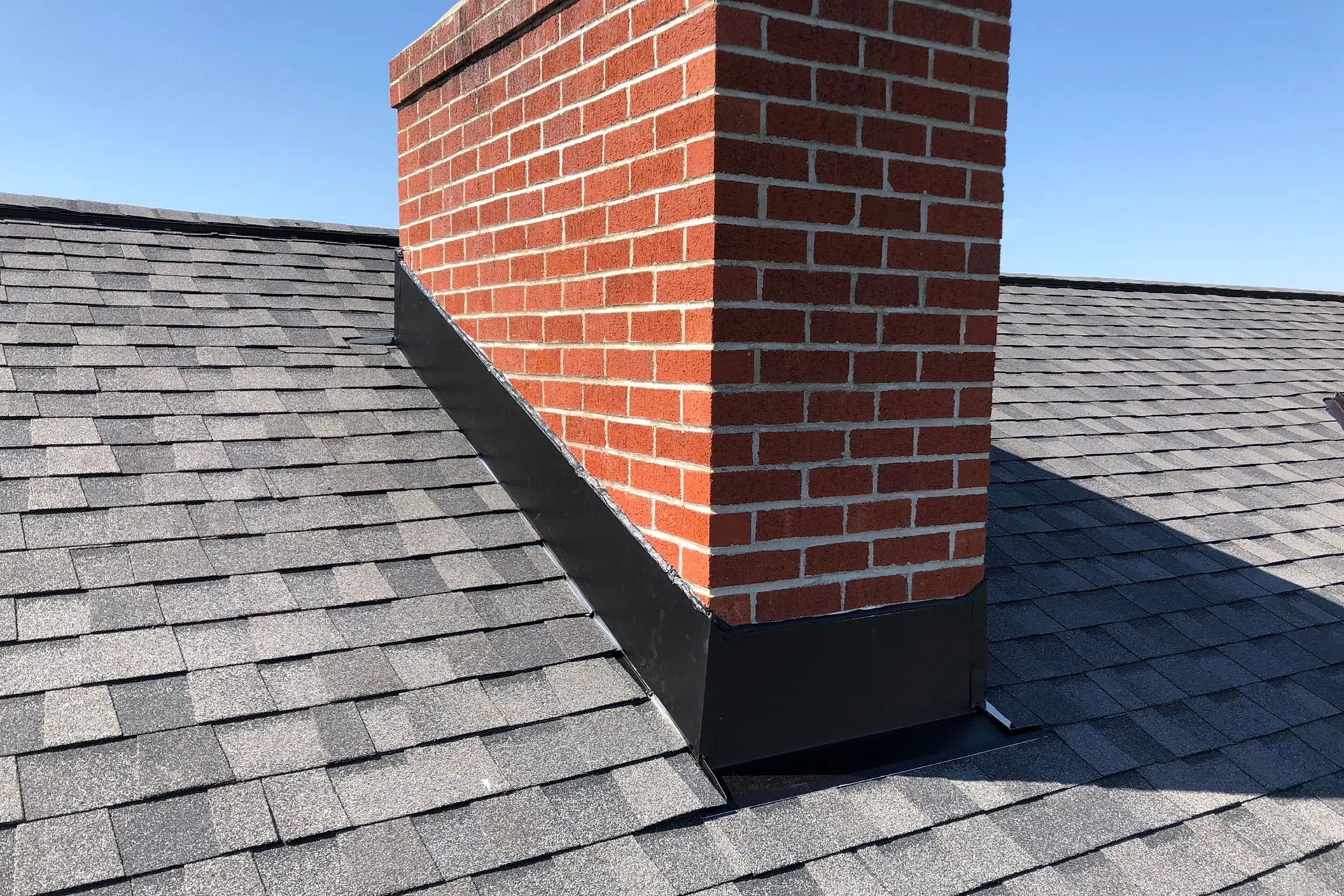
Older EPDM does — pulling flashings off walls and curbs. Shrinkage is repairable with relief cuts and re-termination before it tears something.
The exterior works as one assembly — these are the pieces that connect to this one.
Low-slope roofs use membrane systems rather than shingles: EPDM rubber, TPO,…
Learn more →Commercial roofs are usually low-slope membrane systems rather than steep-slope shingles,…
Learn more →Water rarely enters directly above the stain.
Learn more →Flashing is the metal that seals the joints where a roof…
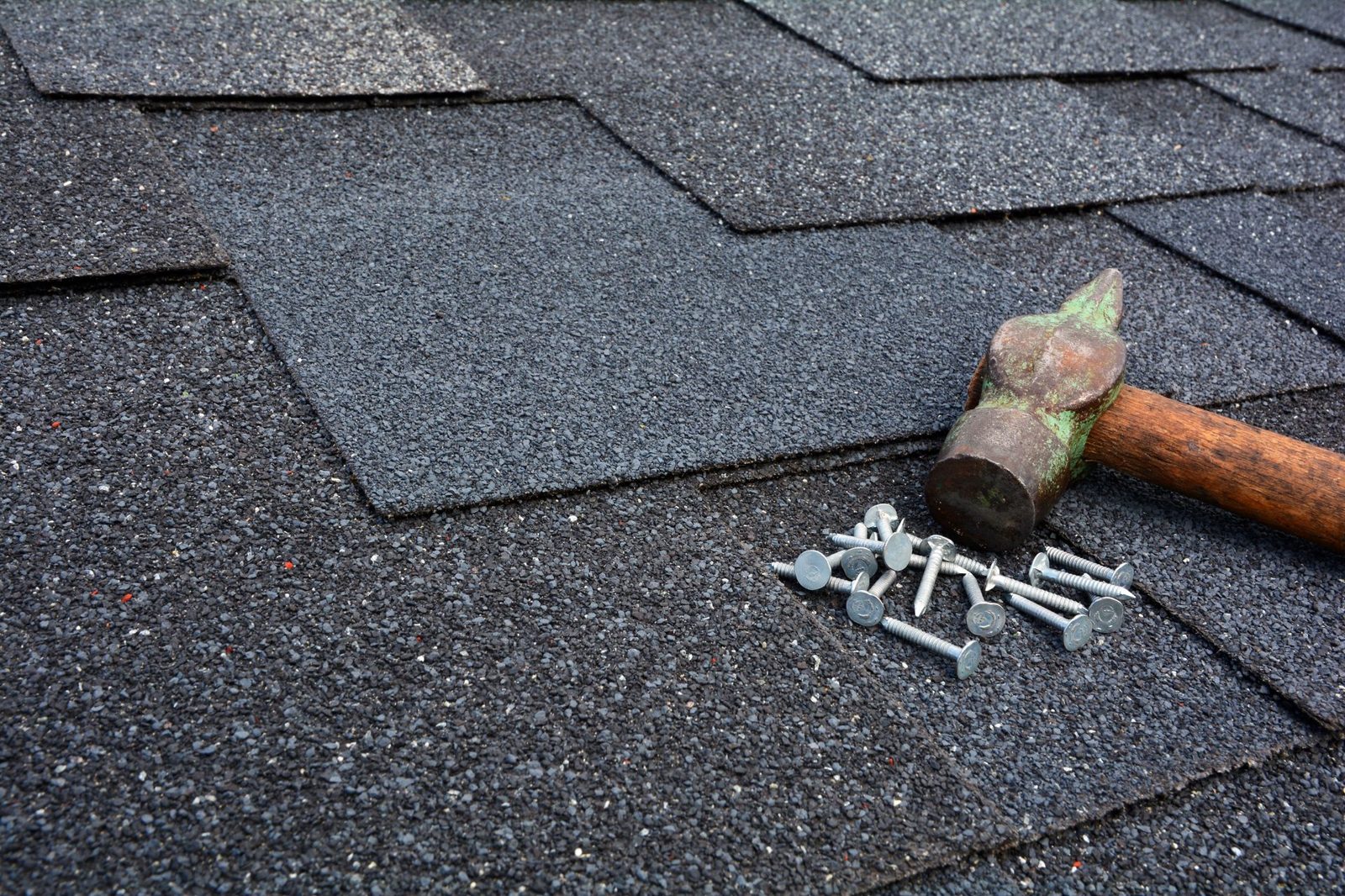
Learn more →Isolated damage repairs well: a handful of wind-lifted shingles, a failed…
Learn more →Tarping is temporary stabilization that stops active water intrusion until permanent…
Learn more →Rubber Roof Repair is available across our licensed service territory in Ohio, Pennsylvania and New York. Find your city below, or call (330) 918-1018.
Free assessment with a straight repair-or-replace answer.
Takes about 20 seconds.
