Shingles almost never leak; the metal where they meet walls, chimneys, valleys and pipes does. Real flashing repair is metalwork — the caulk gun is how it got this bad.
Before we price Flashing Repair Metal, Not Caulk, we look at step flashing, pipe boots and the starter strip — the details that decide how long the work holds. You get a photographed assessment and a written scope with no obligation, and if the cause traces to a storm we document it for your carrier. Licensed and insured in Ohio, Pennsylvania and New York.
Water damage gets worse every hour — call nowRoof Flashing Repair — priced in writing before we start, no obligation.
Flashing is the metal that seals the joints where a roof meets a wall, chimney, valley or penetration. Those transitions are where most roof leaks begin. Flashing fails when sealant is used as a substitute for correct layering, when it is reused on a new roof, or when step flashing is replaced with a continuous bead of caulk. Related: roof leak repair and chimney flashing repair & replacement.

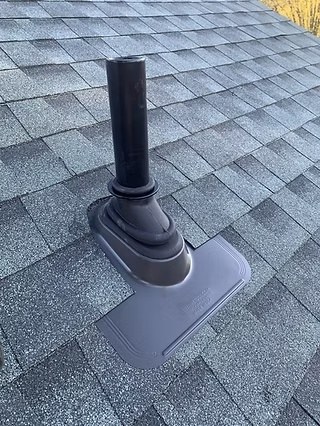
Where roof meets wall: step flashing woven shingle-by-shingle, counter-flashed above. Where roof meets chimney: a four-sided metal system with a cricket behind wide stacks. Valleys: continuous metal carrying double water volume. Pipes: boots whose rubber collars crack on schedule at 10–15 years. When any of these fail, the “roof leak” begins — and each has a correct metal repair that lasts decades, versus the caulk bead that lasts seasons.
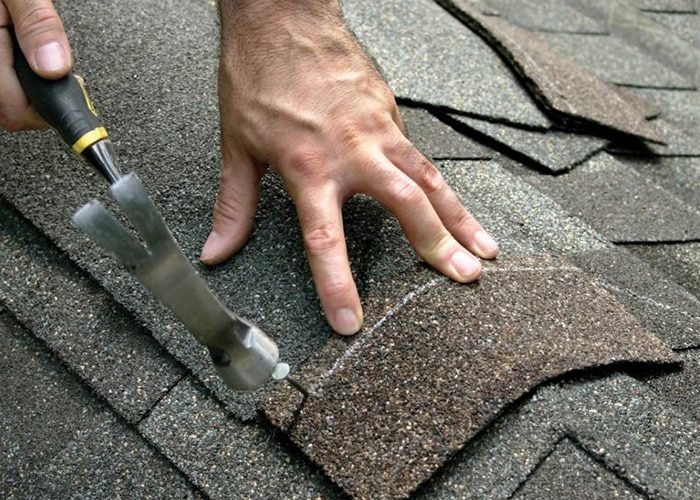
Caulk over failed flashing traps water behind it and hides the problem while rot spreads — we open these up weekly. Proper repair means removing courses, rebuilding the metal in sequence, and re-shingling over it. If storm damage caused the failure (wind-peeled flashing is common), the repair belongs in an insurance claim, and we document that while we’re in there.
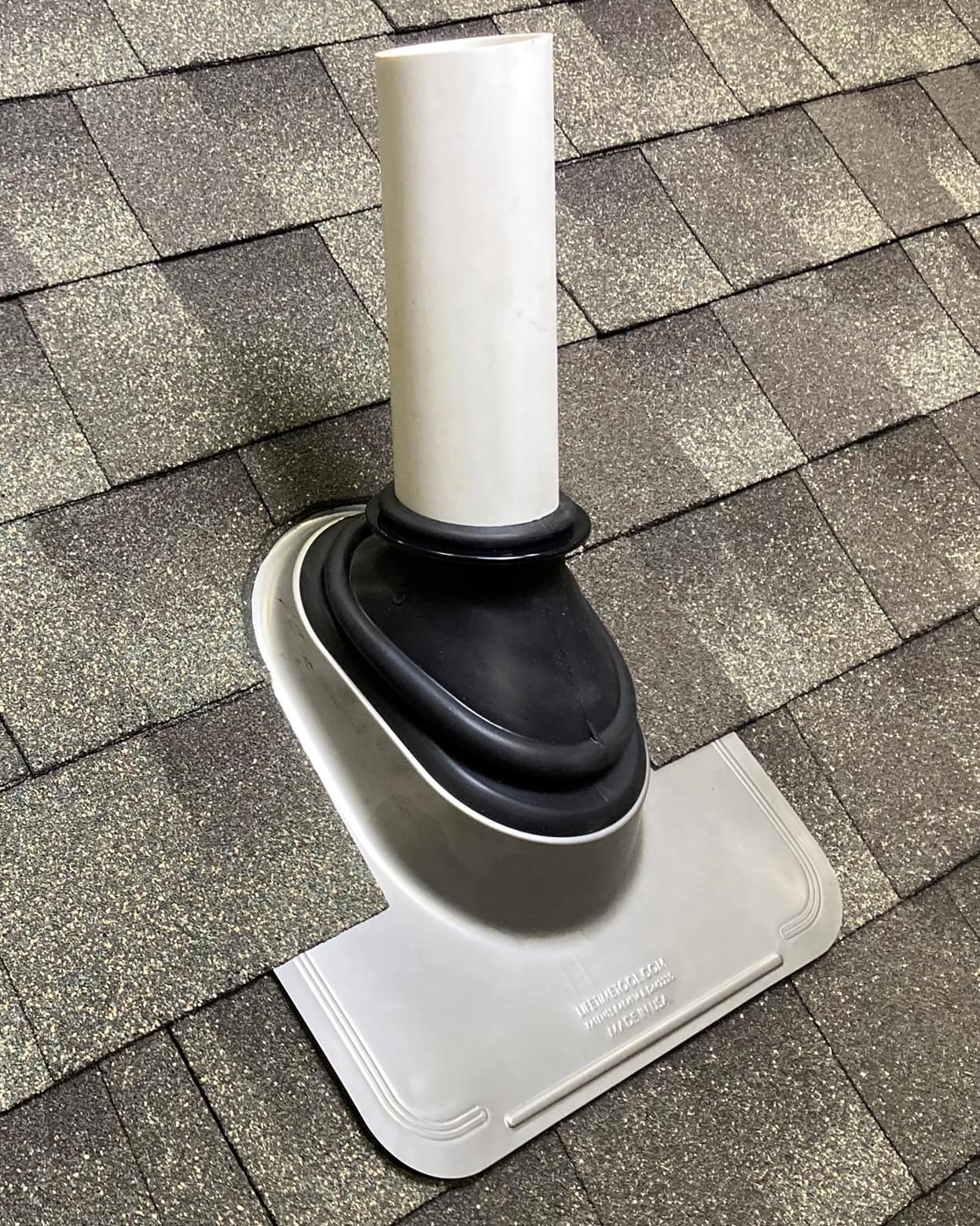
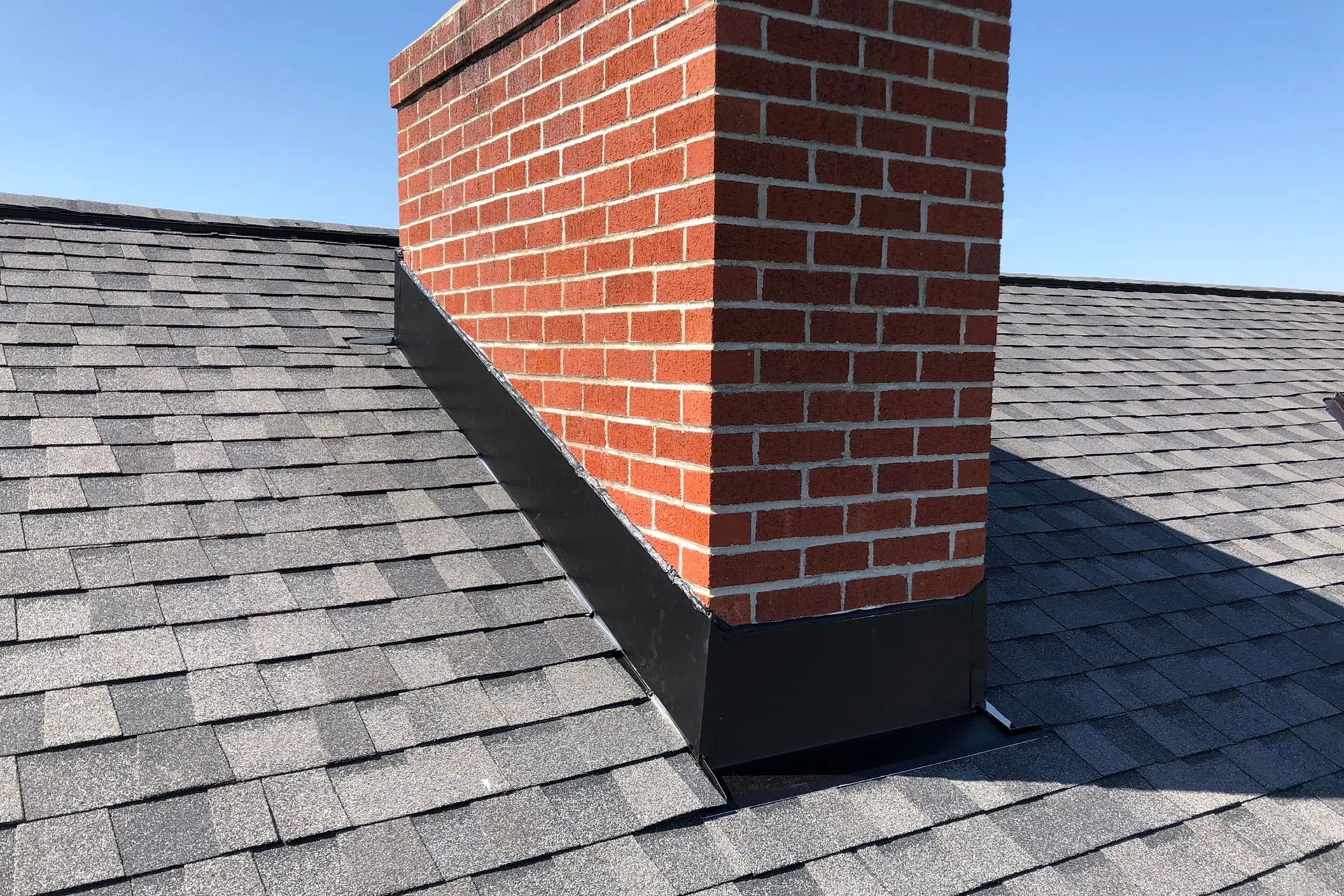
Stains at ceiling edges near walls and chimneys, rust streaks on the metal, or visible lifted flashing after wind. If someone has caulked it before, assume it is failing again.
Yes — flashing repair lifts only the courses involved. It is precision work, which is why the caulk shortcut is so popular and so temporary.
They are our most common single leak fix — the rubber collars are consumable parts on a 10–15 year clock regardless of shingle quality.
Stains near walls and chimneys, rust streaks, lifted metal after wind — and any flashing already buried in caulk should be presumed failing again.
The large majority — shingle fields rarely leak; the transitions where metal meets material are where nearly every leak we trace begins.
Individual L-shaped metal pieces woven betweenevery shingle course where roof meets wall — each step sheds to the one below. Continuous strips in that spot are the shortcut that leaks.
Quality metal flashing outlasts the shingles around it — which is why replacement roofs get new flashing anyway: reusing old metal in a new roof is false economy.
The courses around the repair lift and re-lay — that’s the precision that separates flashing repair from the caulk-gun visit.
The exterior works as one assembly — these are the pieces that connect to this one.
Water rarely enters directly above the stain.
Learn more →Chimney flashing is a two-part assembly: step flashing woven into the…
Learn more →Isolated damage repairs well: a handful of wind-lifted shingles, a failed…
Learn more →Often, yes.
Learn more →No, but poorly flashed ones do.
Learn more →Yes.
Learn more →Roof Flashing Repair is available across our licensed service territory in Ohio, Pennsylvania and New York. Find your city below, or call (330) 918-1018.
That’s flashing until proven otherwise — free trace and quote.
Takes about 20 seconds.
