Nine skylight leaks in ten are around the unit, not through it — flashing shortcuts and aged seals. We diagnose which yours is, then fix that, not whatever’s easiest to invoice.
Before we price Skylight Repair, we look at the valleys, the starter strip and the ridge vent — the details that decide how long the work holds. You get a photographed assessment and a written scope with no obligation, and if the cause traces to a storm we document it for your carrier. Licensed and insured in Ohio, Pennsylvania and New York.
Water damage gets worse every hour — call nowSkylight Repair — priced in writing before we start, no obligation.
Often, yes. If the glazing seal is intact and the frame is sound, re-flashing and resealing the curb resolves most leaks. Condensation on the interior glass is a different issue entirely, indicating attic humidity rather than a leak, and sealing it will not help. Related: skylight installation and roof leak repair.
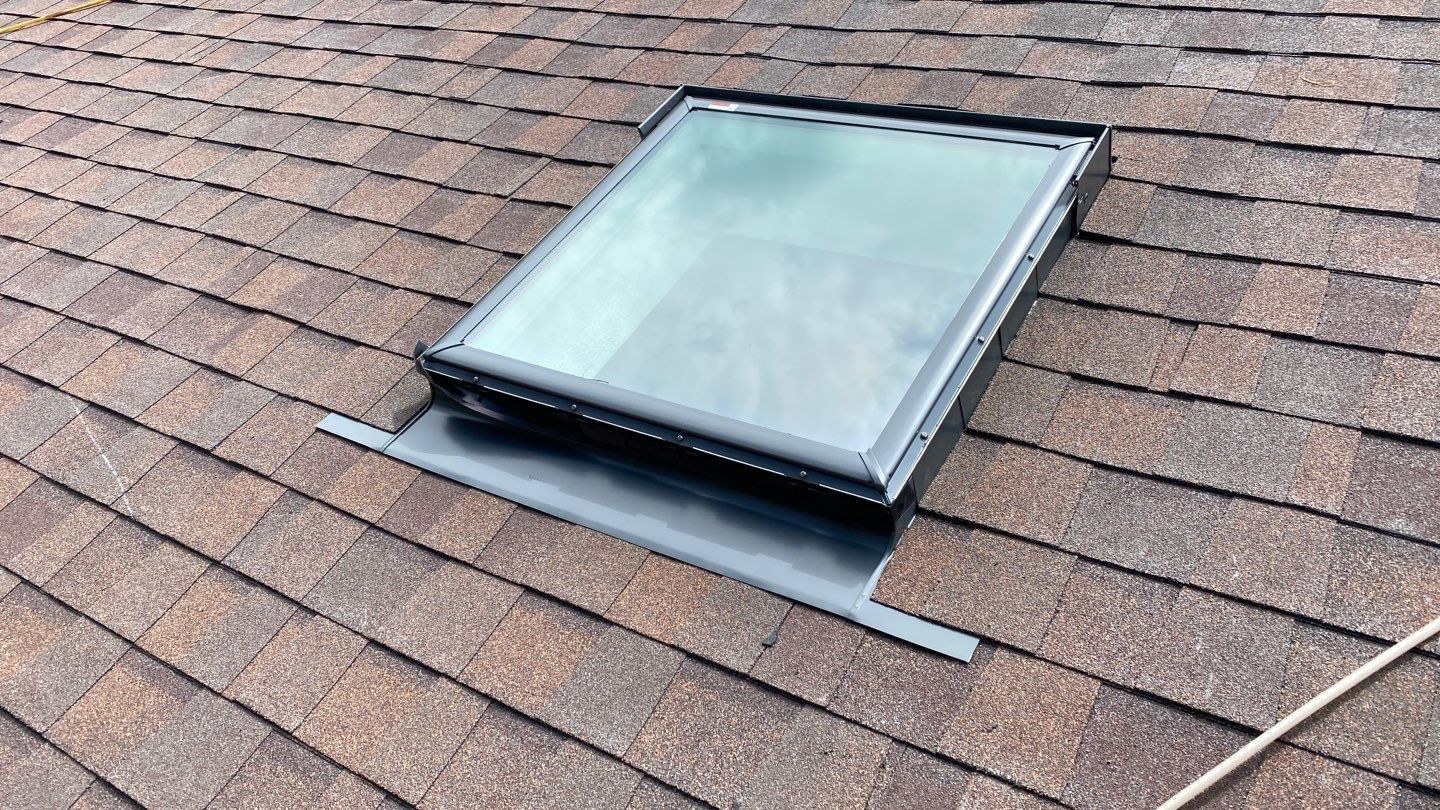
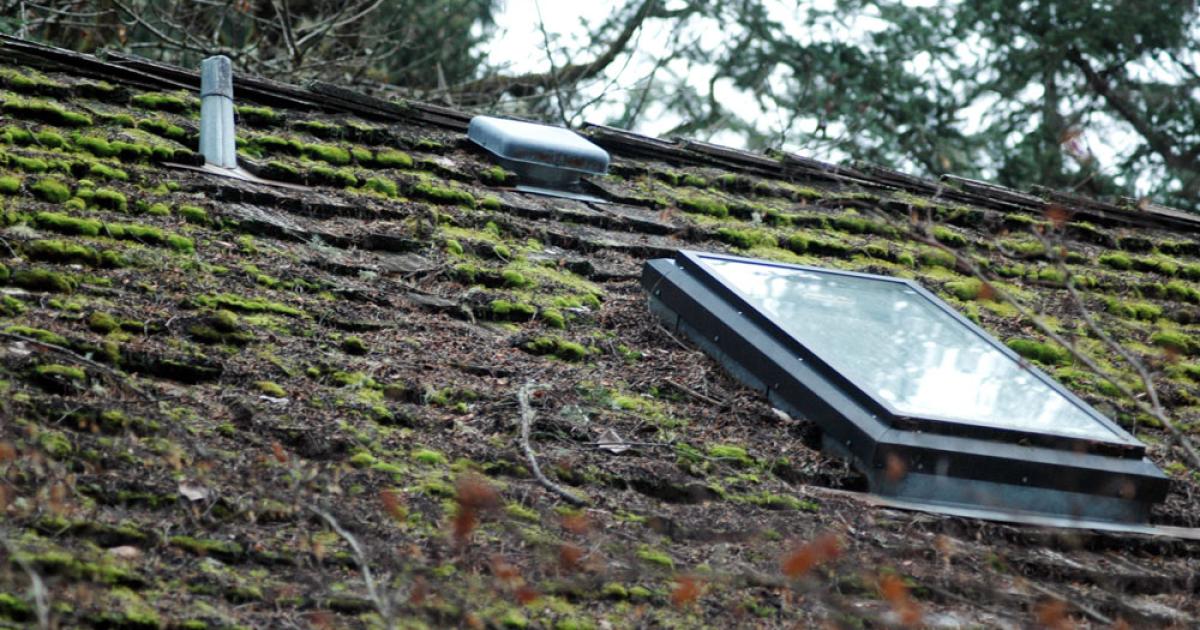
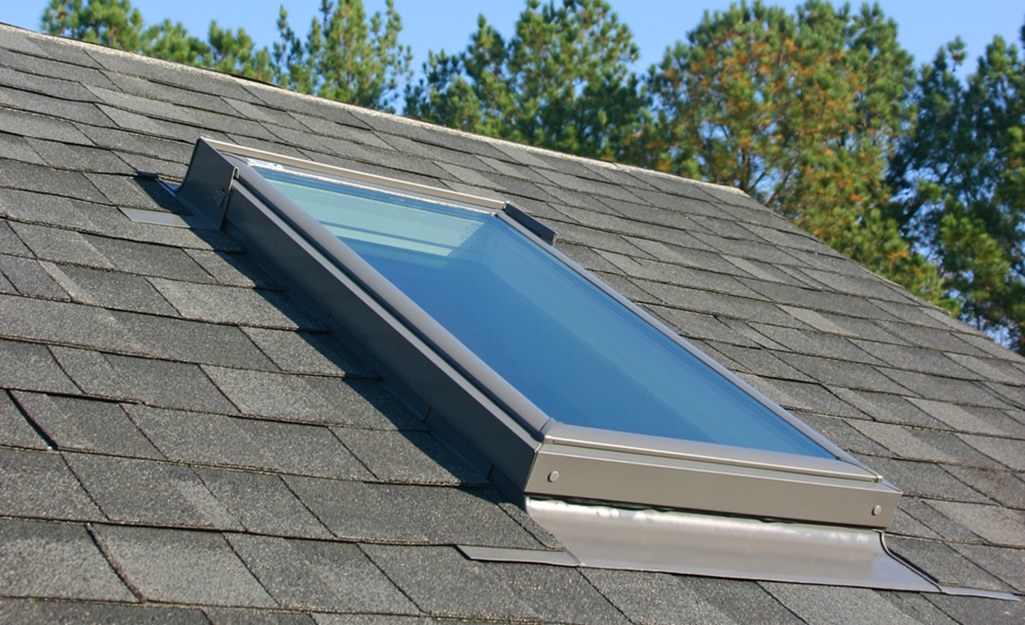
Three possibilities: the flashing around the unit (most common — improvised kits, lifted steps, failed head apron), the unit itself (fogged double panes, cracked cladding, failed weeps), or above it entirely — water entering upslope and traveling to exit at the skylight, taking the blame. We trace before we touch anything, because resealing a skylight that isn’t leaking is the most profitable non-repair in roofing and we don’t sell it.
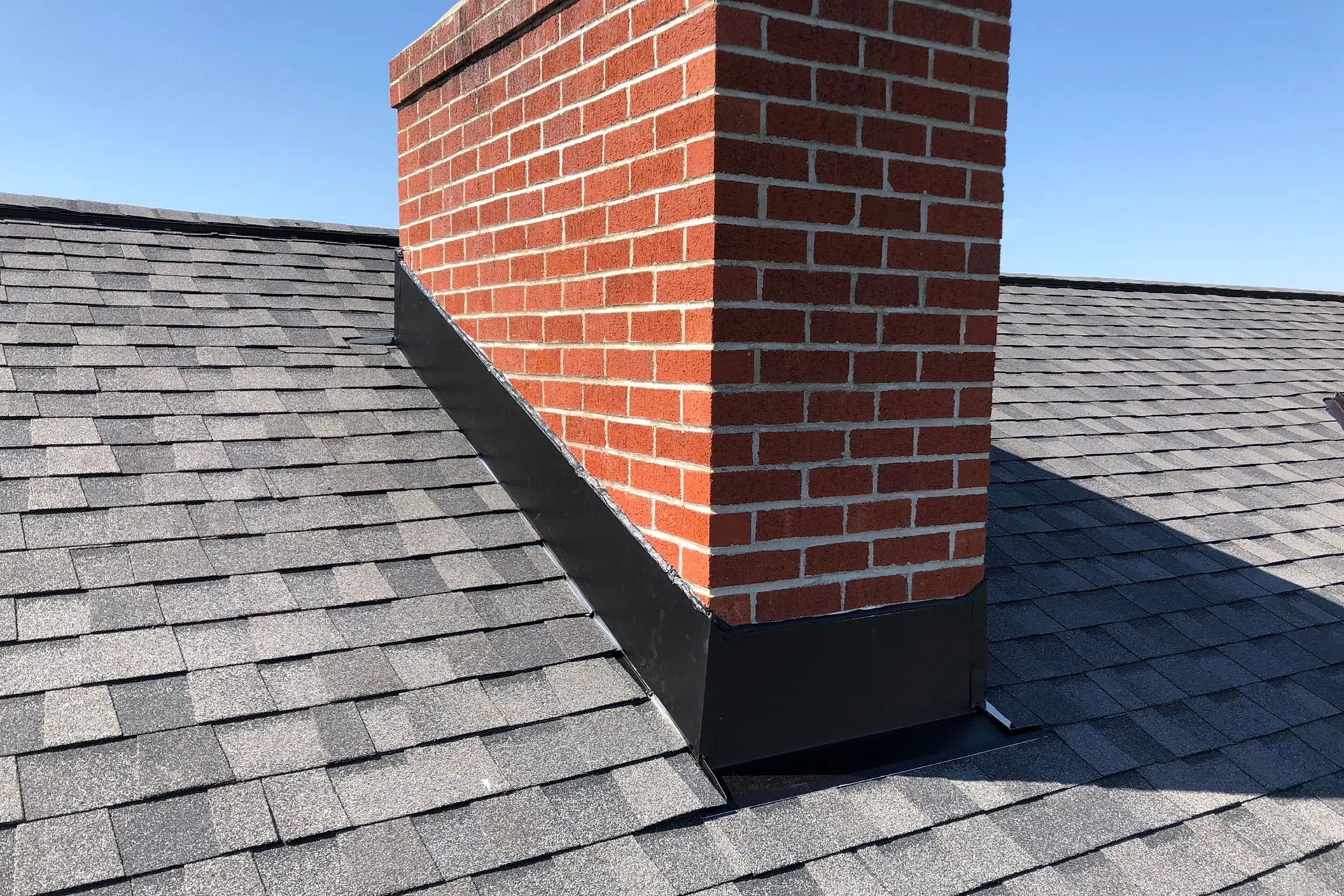
Flashing repairs lift the surrounding courses and rebuild the step-and-apron sequence properly — the same metalwork discipline as any wall or chimney. Failed units get replaced with modern equivalents into the corrected flashing. And when a unit is fine but fogged, we’ll say so: fogging is a comfort-and-cosmetics decision, not an emergency.

Directional leaks point to a specific flashing face taking pressure — useful diagnostic information we will ask you about before climbing up.
No — winter drips can be interior humidity condensing on cold glass, especially over kitchens and baths. We distinguish the two before any repair is quoted.
Almost always yes — the incremental cost mid-replacement is small, and re-flashing an aged unit into a new roof is false economy.
Directional, storm-only leaks usually mean one flashing face is taking wind-driven pressure — diagnostic gold that shortens the trace.
Fogging or condensation between the panes means the insulated glass seal has failed — a comfort issue, not an emergency, and we’ll say which yours is.
Likely condensation — interior humidity meeting cold glass, especially over kitchens and baths. It mimics a leak and has a different fix.
Fogging means the insulated-glass seal failed — the unit gets replaced rather than resealed, and it’s a comfort decision, not an emergency.
Quality modern units run 20–30 years — which is why we recommend replacing aging units during any roof replacement rather than re-flashing them into a new roof.
The exterior works as one assembly — these are the pieces that connect to this one.
No, but poorly flashed ones do.
Learn more →Water rarely enters directly above the stain.
Learn more →Flashing is the metal that seals the joints where a roof…
Learn more →Isolated damage repairs well: a handful of wind-lifted shingles, a failed…
Learn more →Yes.
Learn more →The crown is the sloped concrete or mortar surface capping the…
Learn more →Skylight Repair is available across our licensed service territory in Ohio, Pennsylvania and New York. Find your city below, or call (330) 918-1018.
Free diagnosis — around, through, or above, answered with photos.
Takes about 20 seconds.
