
Insurance Claims & Adjuster Disputes
Underlayment Code Upgrades: Forcing Full Synthetic Replacement
Code sets minimum underlayment for a re-roof. Where the existing roof falls short, ordinance and law coverage pays the difference.
Written by Nathaniel Davis, owner of Roof Gutter Now — a licensed exterior restoration contractor in Ohio, Pennsylvania and New York. Updated August 2026
Underlayment is invisible once the roof is on, which is why it is the easiest line to under-scope. Code requirements are what put it back.
What the code requires
IRC R905.1.1 governs underlayment for asphalt shingle roofs, and R905.1.2 covers the ice barrier requirement in regions with a history of ice at the eaves. On a re-roof, underlayment is not optional and it is not reusable — it comes off with the shingles.
The ice barrier runs from the eave edge to at least 24 inches inside the exterior wall line. On a low-slope section or a steep pitch, additional layers may be specified by the manufacturer.
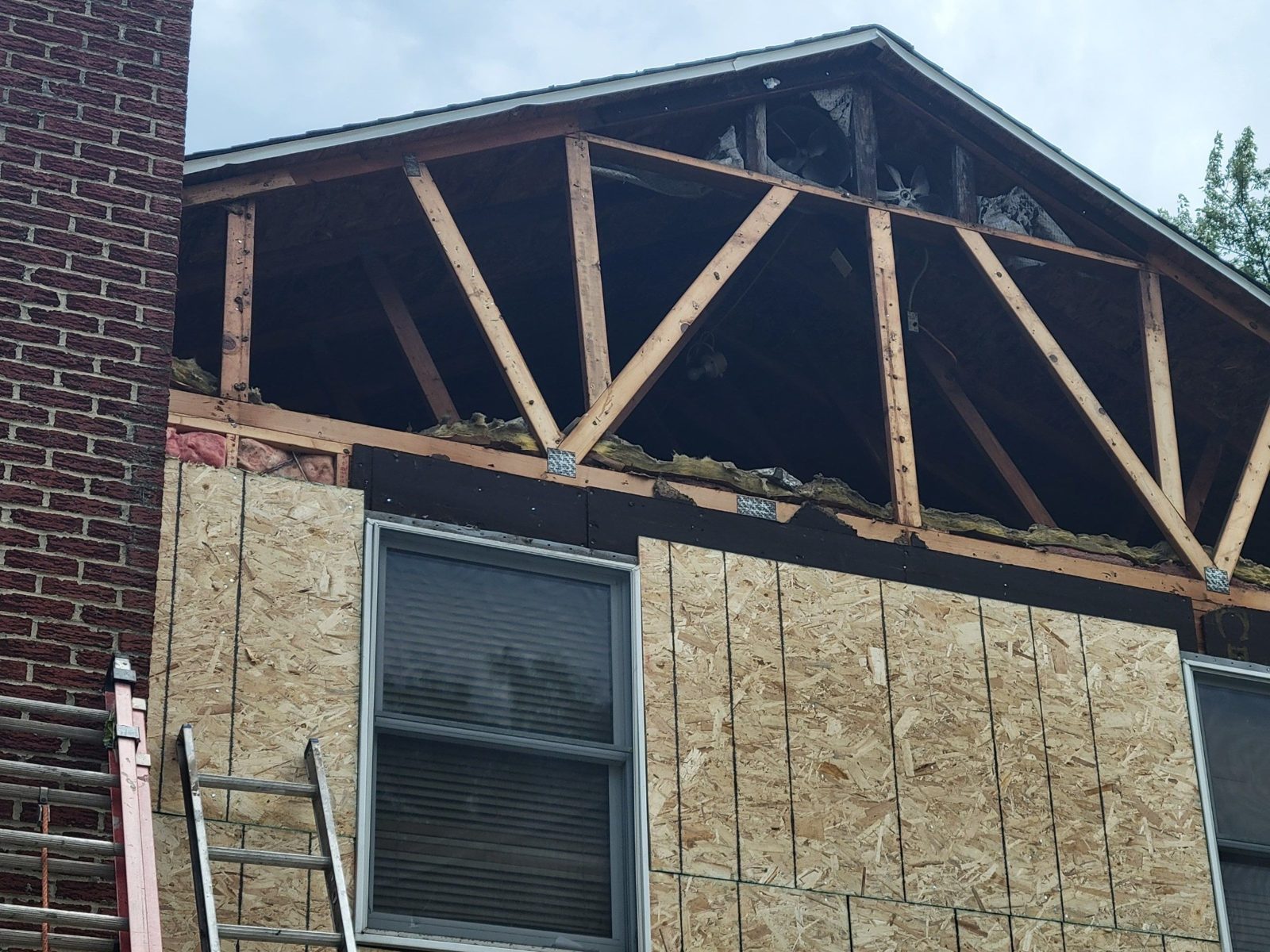
Where the estimate falls short
Two failures recur: felt written at a lower grade than the manufacturer’s system requires, and ice barrier omitted entirely because the original roof did not have it. The second is an ordinance and law item, not a like-for-like replacement item.
Submit the manufacturer specification for the shingle system being installed alongside the adopted code section for the jurisdiction, with the measured square footage. Specification plus code plus quantity is a complete argument.
Common questions
Can felt be reused?
+
No. It is removed with the shingles during tear-off, and reuse would void the system warranty.
Is synthetic required?
+
Not always by code, but frequently by the manufacturer for a system warranty. That specification is the argument.
How much ice barrier is required?
+
From the eave edge to at least 24 inches inside the exterior wall line. On low-slope roofs, more.
More on Insurance Claims & Adjuster Disputes
- Why Adjusters Call Creased Shingles “Mechanical Damage”
- The Repairability Test: Proving a Patch Will Destroy the Roof
- Overhead & Profit: Triggering the Three-Trade Requirement
- Xactimate RFG DRIP vs RFG DRIP+: Why the Code Changes Your Payout
- Ordinance & Law Coverage: Getting Drip Edge and Ice Barrier Paid
- Reading a Summary of Loss: RCV, ACV and the Net Claim Trap
See Insurance Claims services or find your local crew.
Need this looked at?
Free inspection, photographs of every finding, and a written scope before any work starts.
Call (330) 918-1018