There’s a point where patching brittle, faded, water-tired siding is paying rent on a problem. Replacement resets the whole envelope — and sometimes insurance is the one paying for it.
Before we price Siding Replacement The Whole-House Reset, we look at fastener spacing, window flashing and the starter strip — the details that decide how long the work holds. You get a photographed assessment and a written scope with no obligation, and if the cause traces to a storm we document it for your carrier. Licensed and insured in Ohio, Pennsylvania and New York.
Water damage gets worse every hour — call nowSiding Replacement Services — priced in writing before we start, no obligation.
Replacement makes sense when damage spans multiple elevations, when panels have become brittle with age, or when the product line has been discontinued and no reasonable match exists. Isolated impact damage on a current, available product is a repair. Widespread cracking, warping or moisture behind the panels is not. Related: siding installation and siding damage claims.
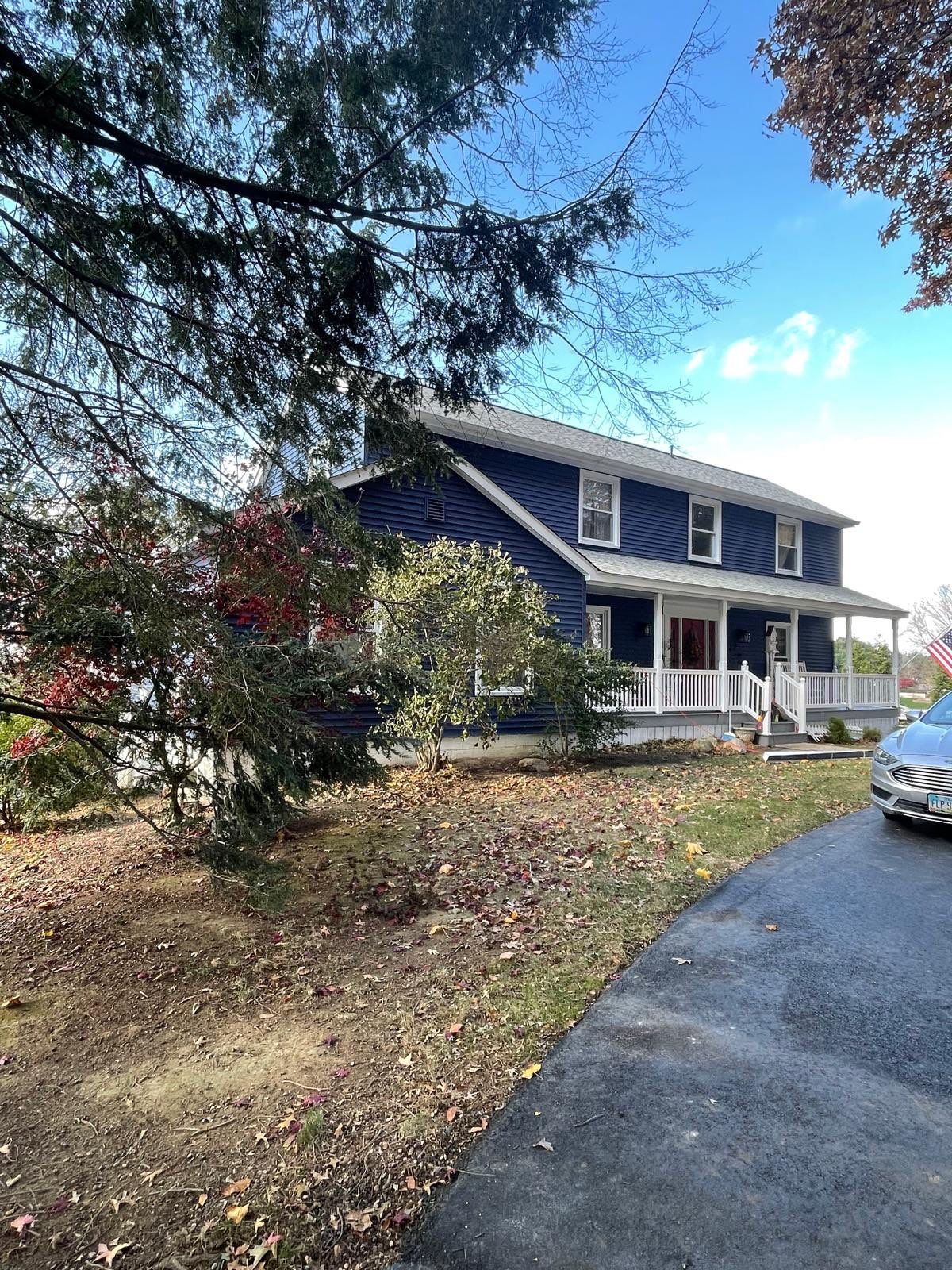
Panels cracking at every impact because the vinyl went brittle; fade so deep no repair will ever blend; soft spots that mean water lives behind the wall; energy bills creeping as the envelope leaks. Any one is a repair conversation — several together is the replacement signal. Tear-off then earns its keep: rotten sheathing found and fixed, wrap and flashing rebuilt to current standards, and the new siding hung on a wall that’s actually sound.
Storm-damaged siding that’s discontinued — and most aging siding is — runs straight into the matching rule: when damaged panels can’t be reasonably matched, uniform-appearance standards can move the scope from patch to elevations to the whole exterior. We check every replacement candidate for claim potential first, because a deductible beats a full invoice every time it’s available.
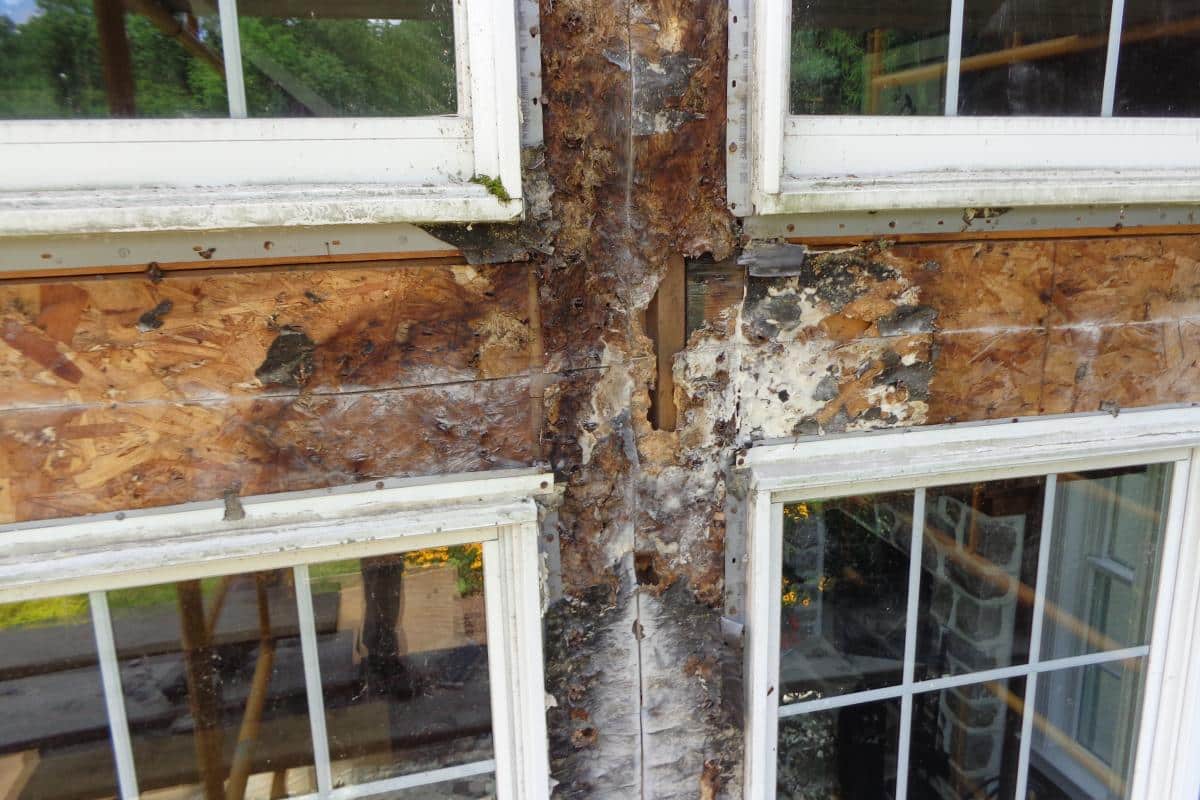
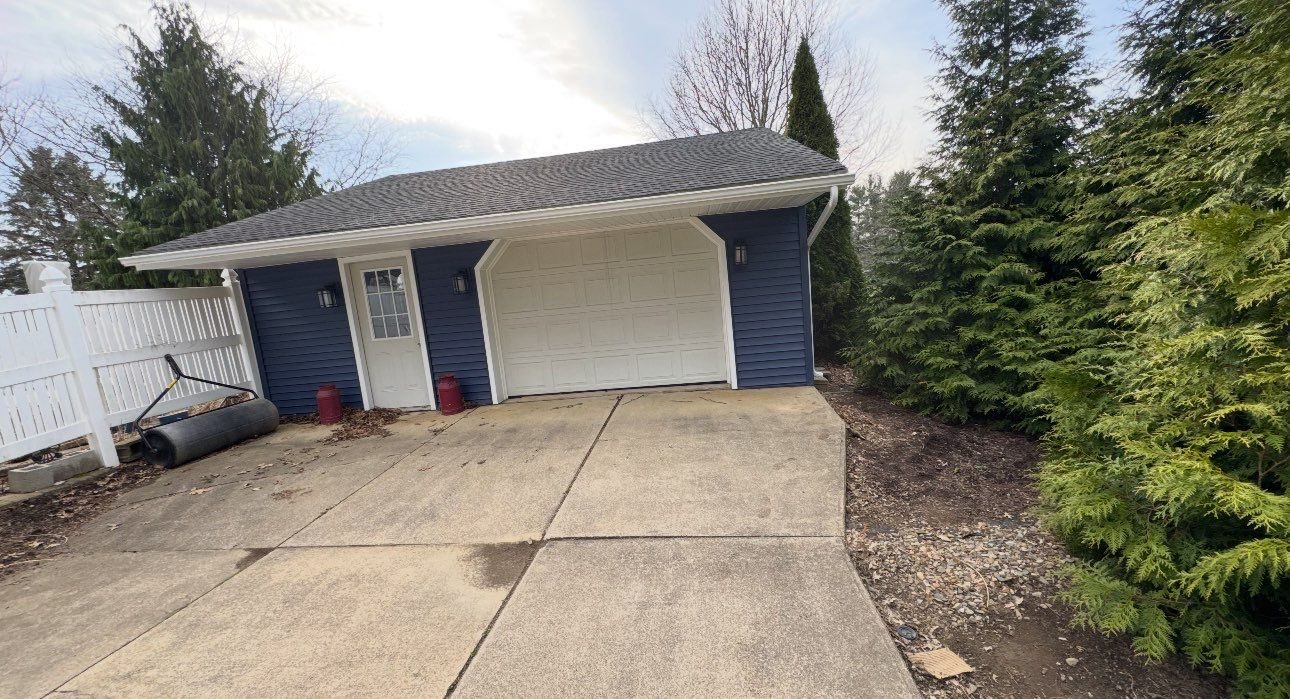
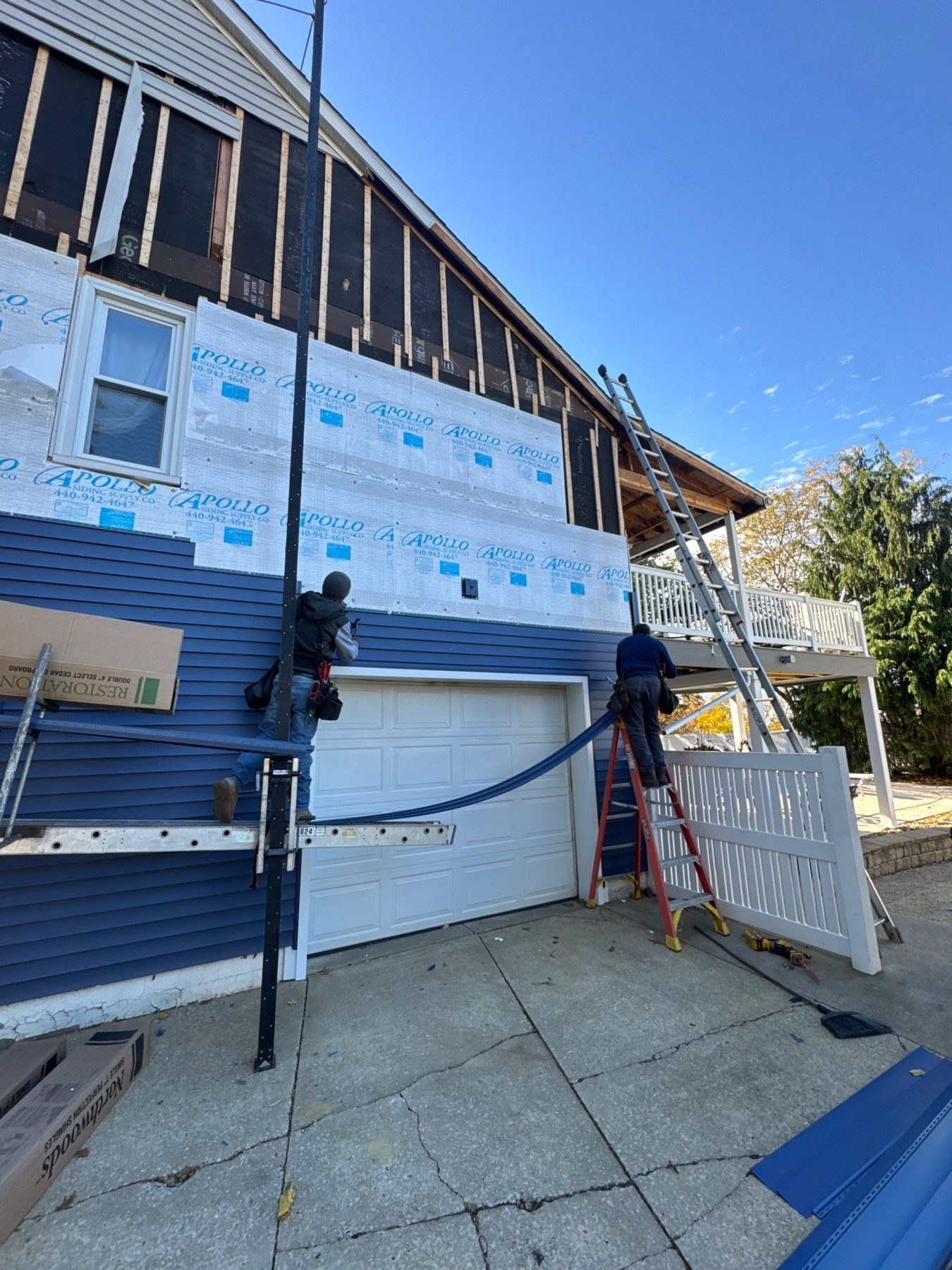

When repairs stop blending, keep recurring, or the wall shows moisture symptoms — we give the verdict with photos, and we still say “repair” when that is the truth.
Installation covers the how — materials, process, wrap. This page is the when — the decision that a replacement is due, and whether insurance shares the bill.
Where matching allows, yes — and where it does not, that mismatch is exactly what the matching rule addresses on storm claims.
Brittle panels cracking at every impact, fade too deep to blend repairs, soft spots that mean water behind the wall — several together is the signal.
Siding replacement consistently ranks among the best cost-to-value exterior projects — and the curb-appeal effect shows up in listing photos before the appraisal.
Roof first as a rule — roofing work above finished new siding risks it, and roofline flashing details integrate cleaner in that order.
Most homes run several days to a week-plus depending on size, material and what tear-off reveals — hidden sheathing repair is the schedule variable.
Vinyl gets brittle in deep cold and needs careful handling; fiber cement installs fine with cold-weather practices. We schedule material-appropriately.
The exterior works as one assembly — these are the pieces that connect to this one.
Behind the visible panel is a weather-resistive barrier, properly integrated flashing…
Learn more →Damage from a covered event is generally included, but siding claims…
Learn more →Vinyl expands and contracts significantly with temperature, so panels are nailed…
Learn more →House wrap is a weather-resistive barrier that blocks liquid water and…
Learn more →Individual panels can be swapped when the product is still manufactured…
Learn more →Board and batten is a vertical pattern of wide boards with…
Learn more →Siding Replacement is available across our licensed service territory in Ohio, Pennsylvania and New York. Find your city below, or call (330) 918-1018.
Free assessment with photos — repair, replace, or claim, called straight.
Takes about 20 seconds.
