The answer is both: the water damage inside is typically covered, the ice removal usually isn’t, and how the claim is framed in the first 48 hours decides whether yours pays.
Before we price Ice Dam Insurance Claims, we look at depreciation, line-item pricing and material match testing — the details that decide how long the work holds. You get a photographed assessment and a written scope with no obligation, and if the cause traces to a storm we document it for your carrier. Licensed and insured in Ohio, Pennsylvania and New York.
Water damage gets worse every hour — call nowIce Dam Insurance Claims — priced in writing before we start, no obligation.
Many policies cover water damage resulting from ice dams, including interior damage to ceilings, walls and insulation. Coverage for the ice removal itself varies by policy and is often evaluated as mitigation. Because carriers treat mitigation and maintenance differently, documenting the water intrusion as it occurs matters considerably. Related: ice dam removal and steam ice dam removal.
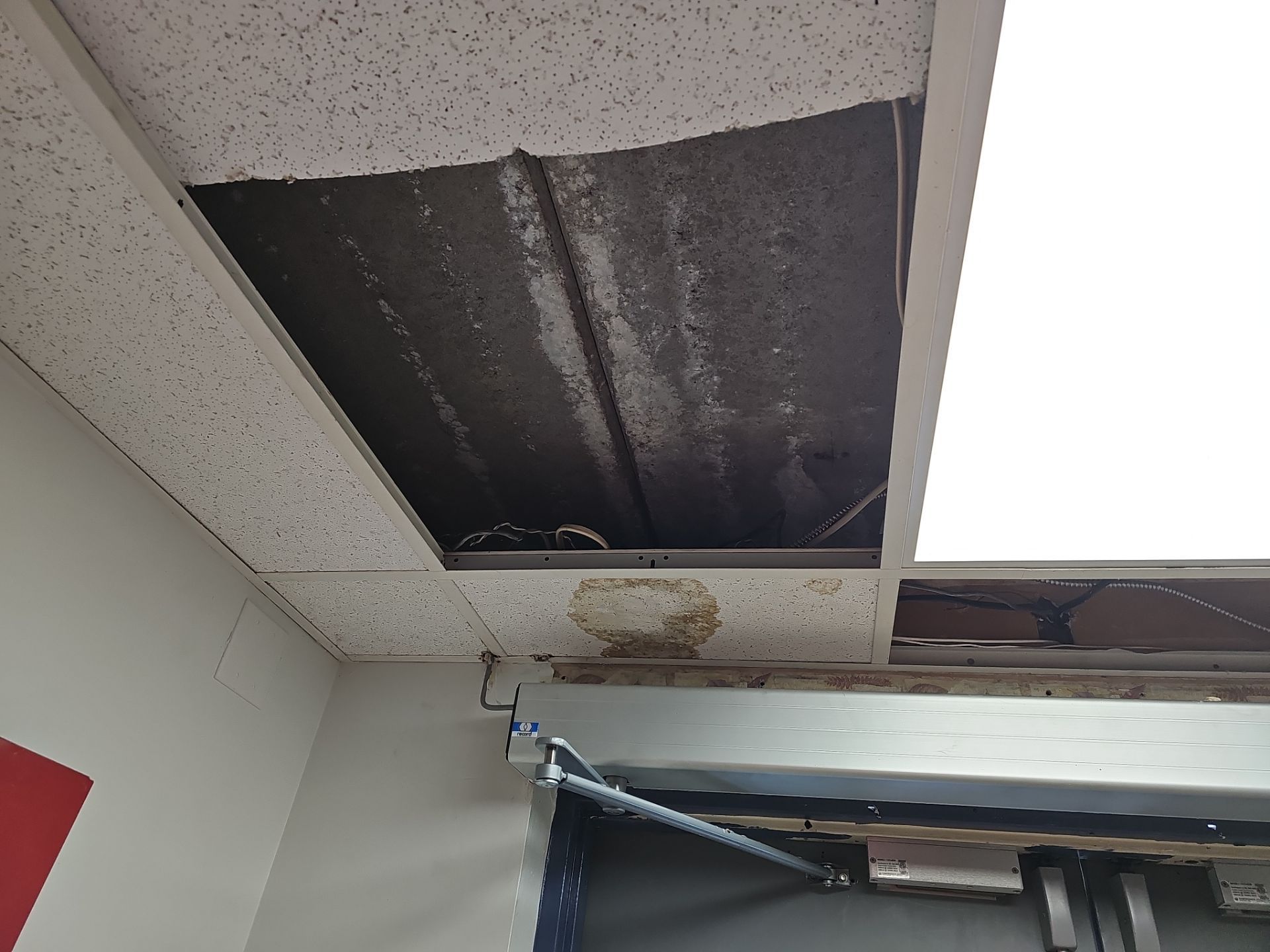
Policies cover sudden and accidental water intrusion — an ice dam forcing meltwater under shingles into your ceiling qualifies. They exclude gradual seepage and maintenance neglect — and a poorly documented ice dam claim gets recharacterized as exactly that. The physics are settled science (the University of Minnesota Extension has the definitive explainer); what varies is the paperwork. Ours frames the sudden event with timestamps, moisture maps, and the dam itself photographed before removal.
A complete ice dam claim covers ceilings, walls, insulation, flooring and trim inside — plus roof, gutter and fascia damage the dam caused outside, which most homeowners never think to include. Mitigation runs in parallel: containing the water fast is both damage control and a policy duty. Our full library covers every angle, starting with whether your policy excludes ice dams at all.
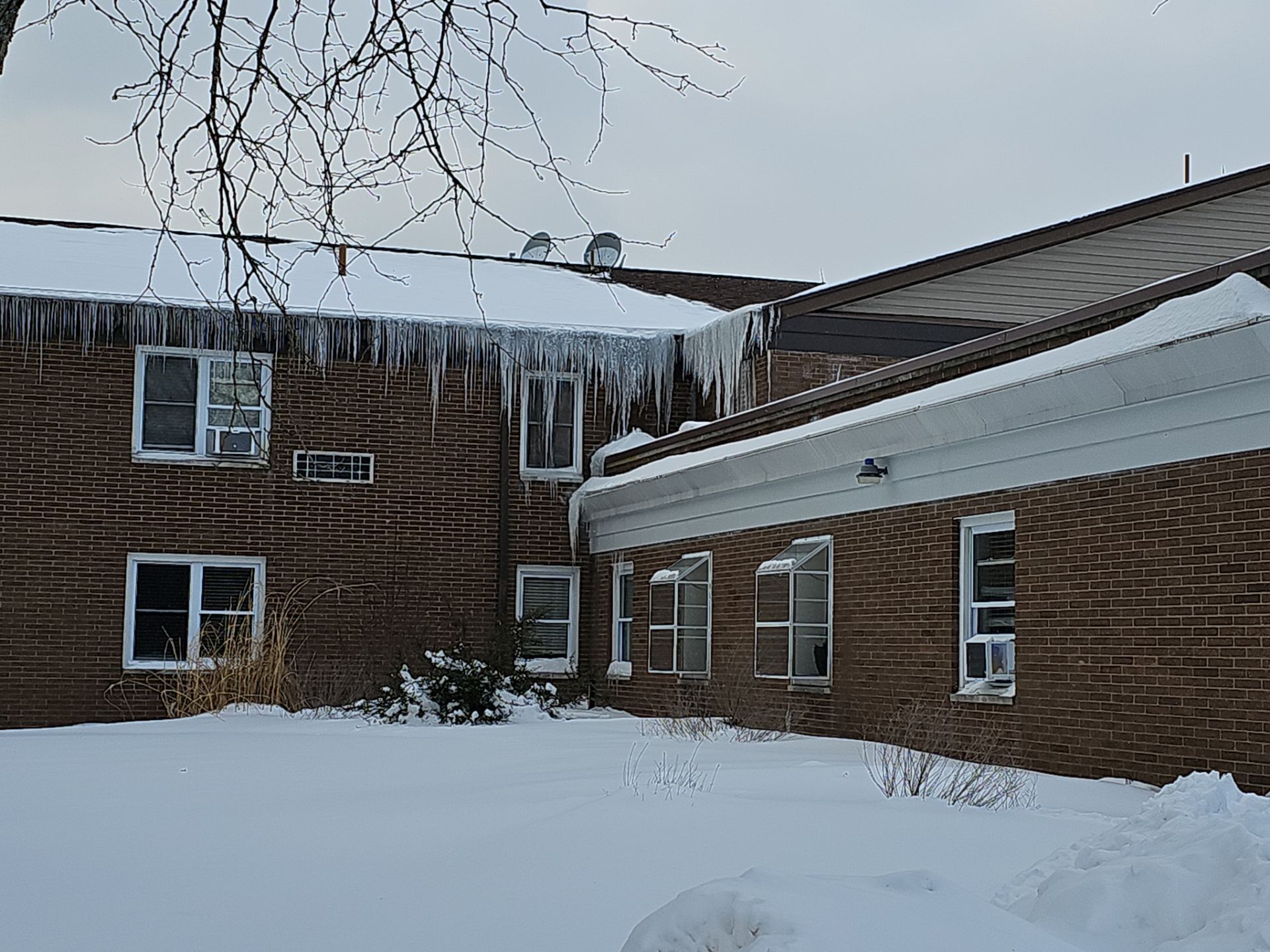


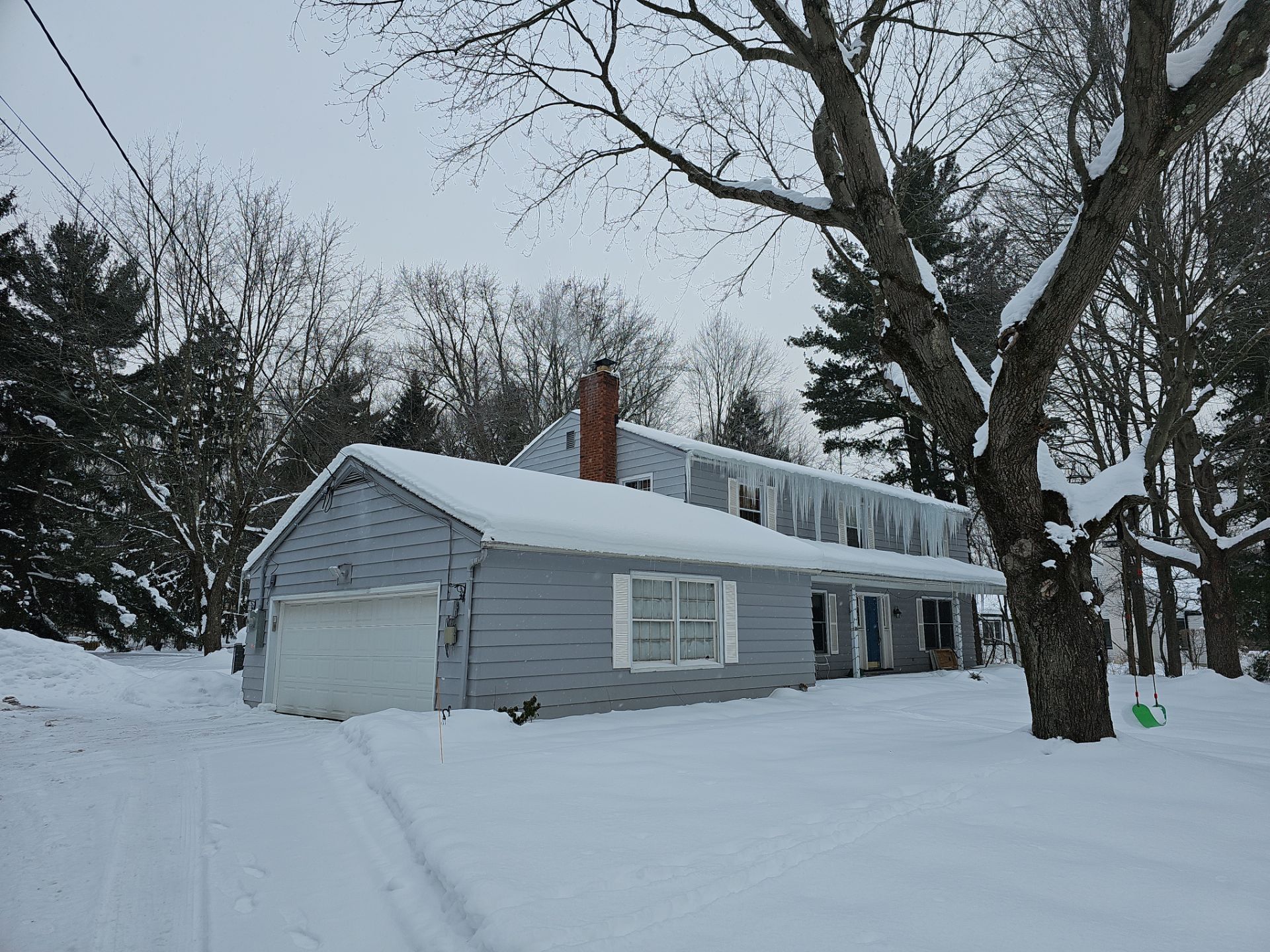
Occasionally — some policies cover reasonable removal as mitigation when water is actively entering. Most don’t. We read the policy before promising anything, and claim it where the language allows.
Often yes: the intrusion was sudden even if discovery lagged. Documentation connecting the stain to the dam event (dates, weather records, dam photos) carries these claims.
Document first — even quick phone photos of the dam and icicles — then remove immediately. The dam is the proof of causation; losing it weakens everything.
No — prevention upgrades are your choice and don’t reduce the damage claim. They do make next winter a lot cheaper.
Interior water damage from the sudden intrusion: typically yes. The ice removal itself: usually not. Framing and documentation decide the borderline cases.
Recharacterization — poorly documented claims get filed under gradual seepage or maintenance neglect. Timestamps, dam photos and moisture maps are the antidote.
Depends on damage scope versus deductible — our free assessment prices the real interior-plus-exterior scope first, so the decision uses actual numbers.
Mold tied by documentation to the sudden covered intrusion often has coverage within policy sublimits — mold of vague origin doesn’t. Timestamped sampling makes the difference.
The exterior works as one assembly — these are the pieces that connect to this one.
Ice dam removal is the controlled melting of the ridge of…
Learn more →A steamer heats water to roughly 300 degrees and delivers it…
Learn more →Mitigation is action taken to prevent further damage after a loss…
Learn more →A denial is a position, not a final outcome.
Learn more →Claims commonly include ceiling and wall damage, saturated insulation, damaged trim…
Learn more →Photograph the ice at the eave, the interior damage as it…
Learn more →Ice Dam Insurance Claims is dispatched wherever winter storms hit. Pick your state for local response details, or call (330) 918-1018 day or night.
Document, contain, claim — in that order, starting with one call: (330) 918-1018.
Takes about 20 seconds.
