When ice dam water breaches the ceiling, the clock starts on two things: the damage spreading, and your duty to mitigate. We handle both — and the claim that follows.
The difference between Ice Dam Water Mitigation that lasts and Ice Dam Water Mitigation that fails early is usually the gutter apron, the roof deck or the eave line. We check all of them on site rather than estimating blind, document findings with dated photographs, and price the work in writing first. Licensed contractor, fully insured, 400+ five-star reviews.
Water damage gets worse every hour — call nowIce Dam Water Mitigation Claims — priced in writing before we start, no obligation.
Mitigation is action taken to prevent further damage after a loss has begun, and most policies obligate the insured to take it. When water is actively entering the home, emergency removal is generally argued as mitigation rather than routine maintenance. The distinction rests on whether damage was already underway, which documentation establishes. Related: ice dam insurance claims and ice dam water damage claims.
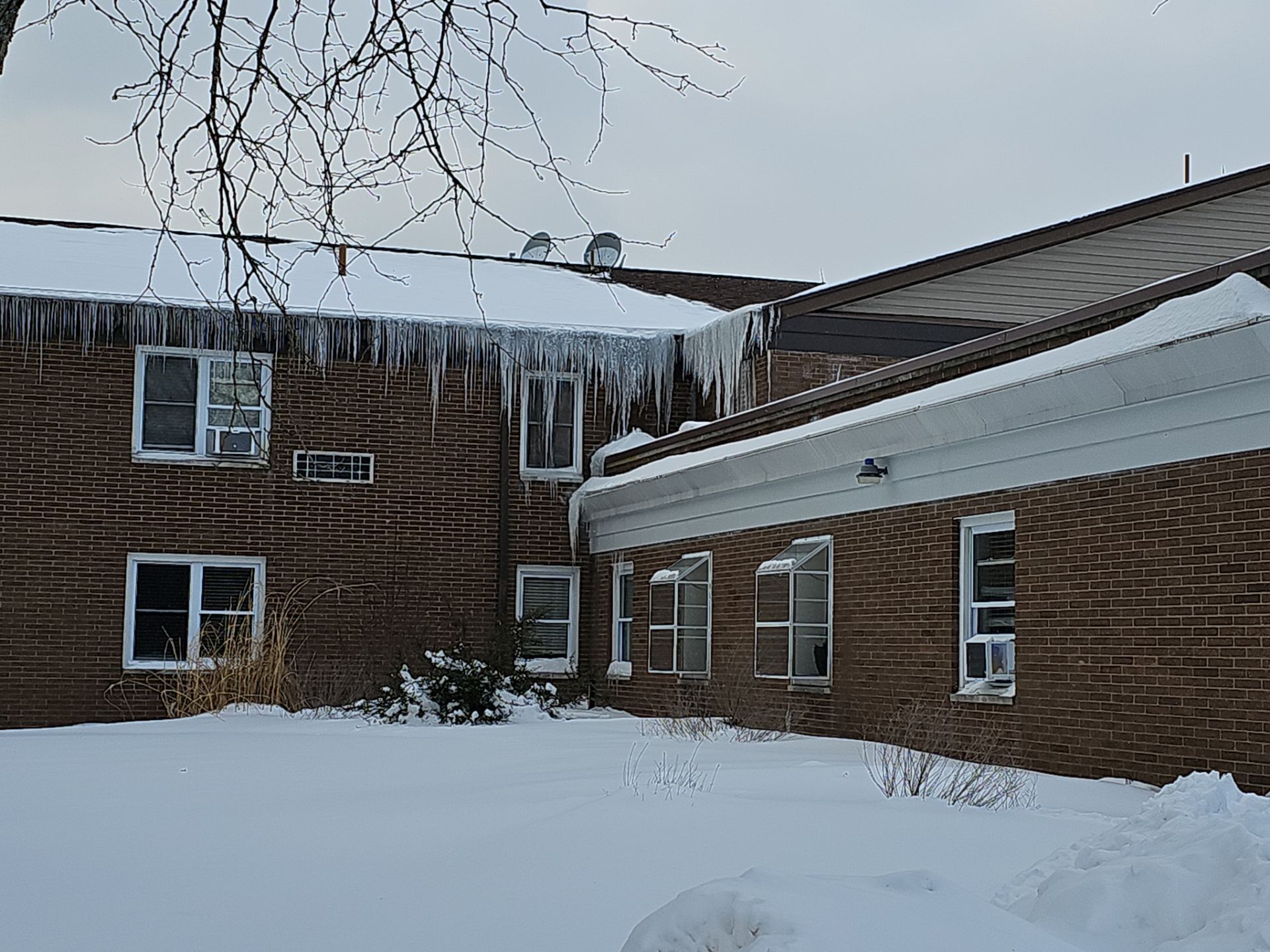
Carriers cover sudden and accidental water intrusion; they deny wear, tear, and neglected maintenance. An ice dam leak is a sudden event — but a poorly documented one gets painted as a maintenance failure. We frame it correctly from hour one: the dam removed by steam, the intrusion documented as the sudden event it was, containment set, and every affected surface photographed and moisture-mapped. Full breakdown in our guide: Water mitigation vs maintenance →
Most policies pay for the interior damage — stained ceilings, soaked insulation, warped floors, damaged drywall and trim — while excluding the cost of removing the ice itself. Knowing which is which keeps your claim clean. We document the covered damage completely, handle the claim, and restore the interior — and where soaked insulation sat, a mold inspection confirms the space is actually clean. Start with: Does insurance cover ice dams? → and why these claims get denied →


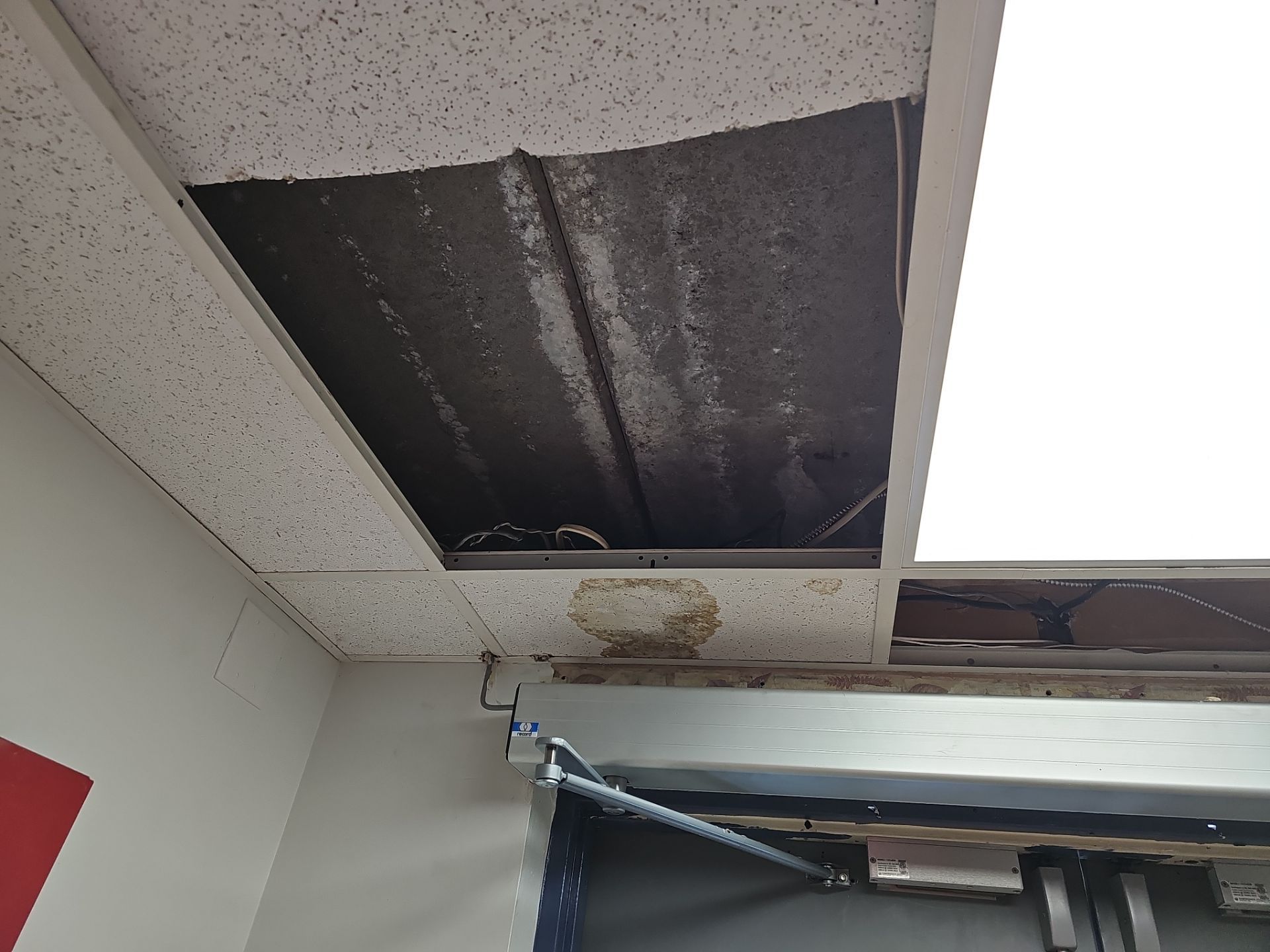
The sudden interior water damage usually is — ceilings, walls, insulation, flooring. The removal of the dam itself usually is not. Policies vary; we read yours and claim what it actually owes.
Contain it (buckets, move belongings, poke a small drain hole in a bulging ceiling), photograph everything with timestamps, and call us — 24/7. Fast mitigation both limits damage and satisfies the policy duty carriers check first.
Often, yes. Timestamped moisture readings and drying logs prove the loss was sudden and addressed promptly — the exact evidence that defeats a maintenance denial.
Yes — mitigation, claim, and restoration of ceilings, walls, insulation and trim as one handled process.
Reasonable steps preventing further damage — containment, water extraction, drying, and stopping the source. Your policy requires it; your claim rewards it.
Photograph first, then containment matters more than speed — saturated insulation is documented evidence and a materials-handling job worth doing once, correctly.
Within the first day or two ideally — the mold clock and the claim both favor immediate documented response.
That’s the whole design — mitigation documented as it happens becomes claim evidence, and the policy duty gets satisfied on the record.
The exterior works as one assembly — these are the pieces that connect to this one.
Many policies cover water damage resulting from ice dams, including interior…
Learn more →Photograph the ice at the eave, the interior damage as it…
Learn more →Claims commonly include ceiling and wall damage, saturated insulation, damaged trim…
Learn more →Ice dams form when heat escaping into the attic melts snow…
Learn more →Ice dam removal is the controlled melting of the ridge of…
Learn more →A steamer heats water to roughly 300 degrees and delivers it…
Learn more →Ice Dam Water Mitigation is dispatched wherever winter storms hit. Pick your state for local response details, or call (330) 918-1018 day or night.
24/7 — (330) 918-1018. Contained, documented, and claimed correctly from hour one.
Takes about 20 seconds.
