A claim rises or falls on its inspection. Ours produces what adjusters and carriers actually credit: test squares, slope maps, collateral indicators, and the storm record to match.
Insurance Roof Inspections done properly comes down to components most quotes never mention: material match testing, the photo record and the scope of loss. We inspect each before pricing, photograph what we find, and put the scope in writing so you see exactly what you're paying for. Licensed and insured across Ohio, Pennsylvania and New York.
Water damage gets worse every hour — call nowInsurance Roof Inspections — priced in writing before we start, no obligation.
Yes. An inspection before filing establishes whether damage is present and consistent with a covered event, which prevents filing a claim that has no factual support. Filing without documentation can result in a denial on record, so knowing what the roof shows first is the more informed approach. Related: free roof inspections and hail damage claims.
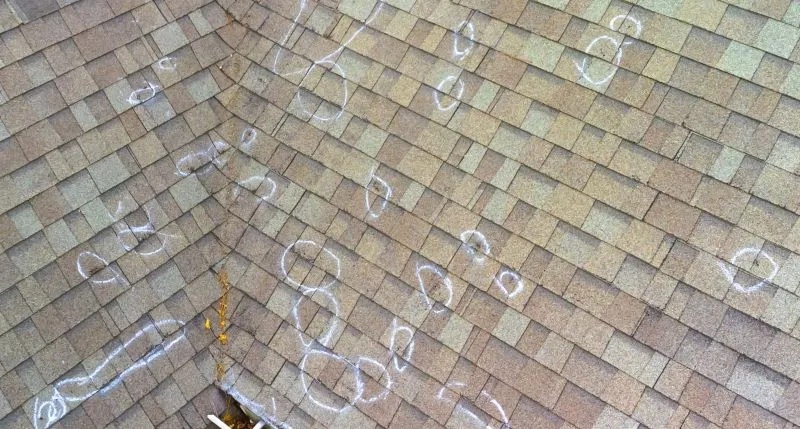
The industry convention is simple and strict: 10×10-foot test squares per slope with each qualifying strike chalked and counted, directional analysis (hail and wind damage cluster on the storm-facing slopes), and collateral indicators — dented soft metals, splattered oxidation, granules in gutters — that corroborate the event. IBHS research underpins how carriers evaluate storm damage; our documentation speaks that language natively because we produce it every day.
Great inspections also answer the questions that grow scope: Is this shingle repairable, or does lifting it destroy the seal? Is it discontinued — and does a reasonable match exist? Do current codes require upgrades (ice barrier, drip edge) that belong in the estimate? Those answers, documented at inspection, are the difference between a patch approval and a replacement.
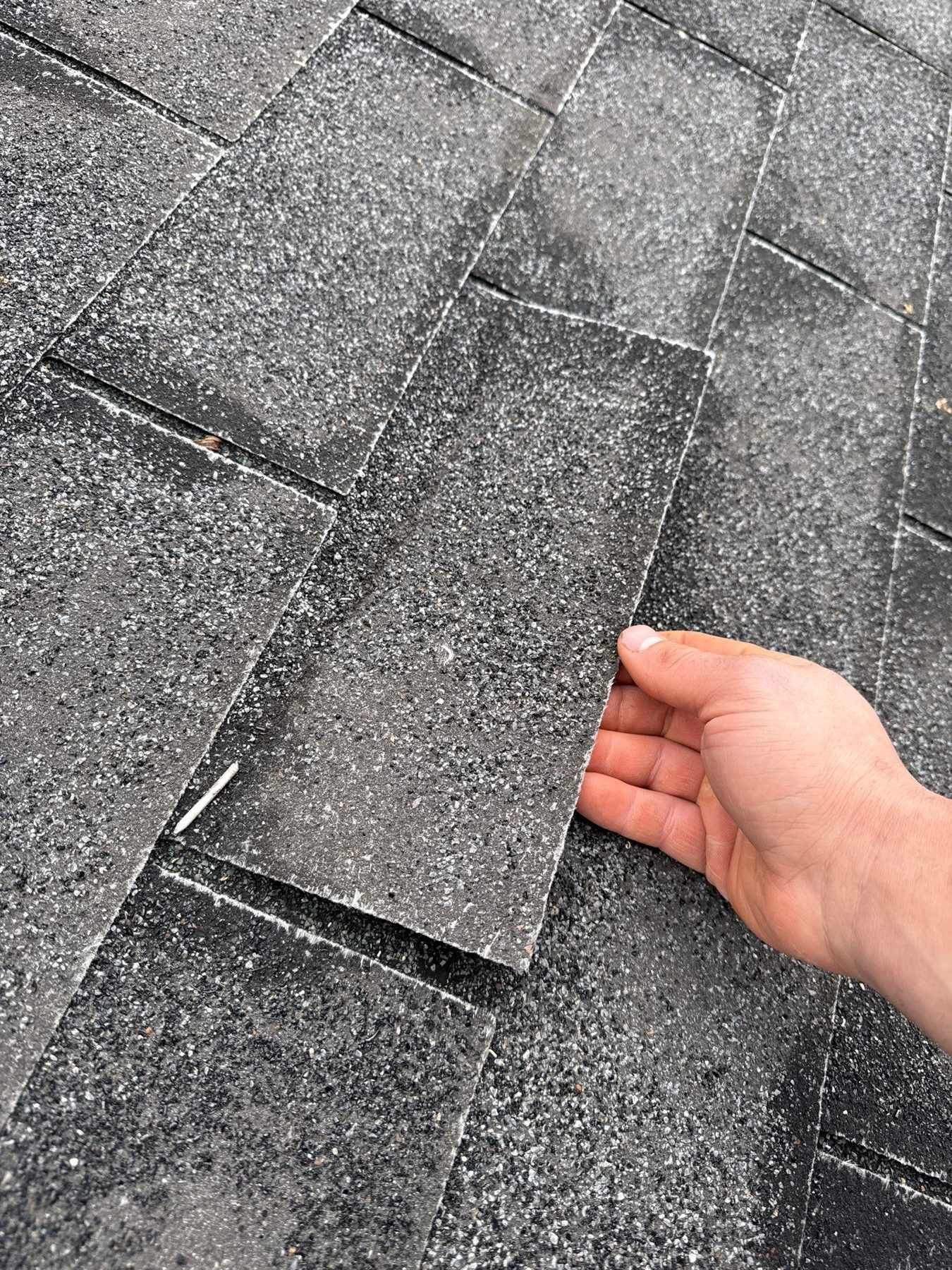

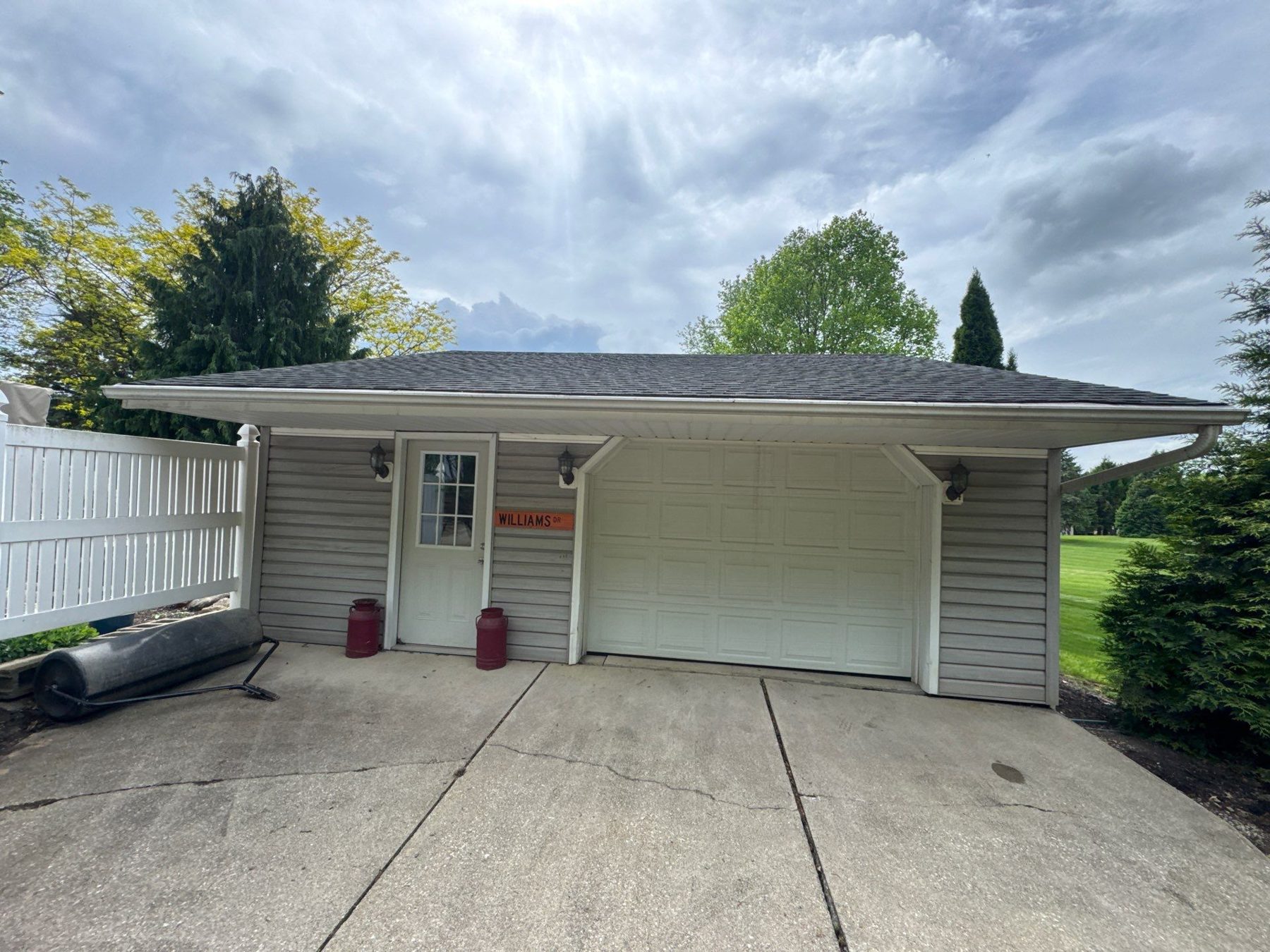
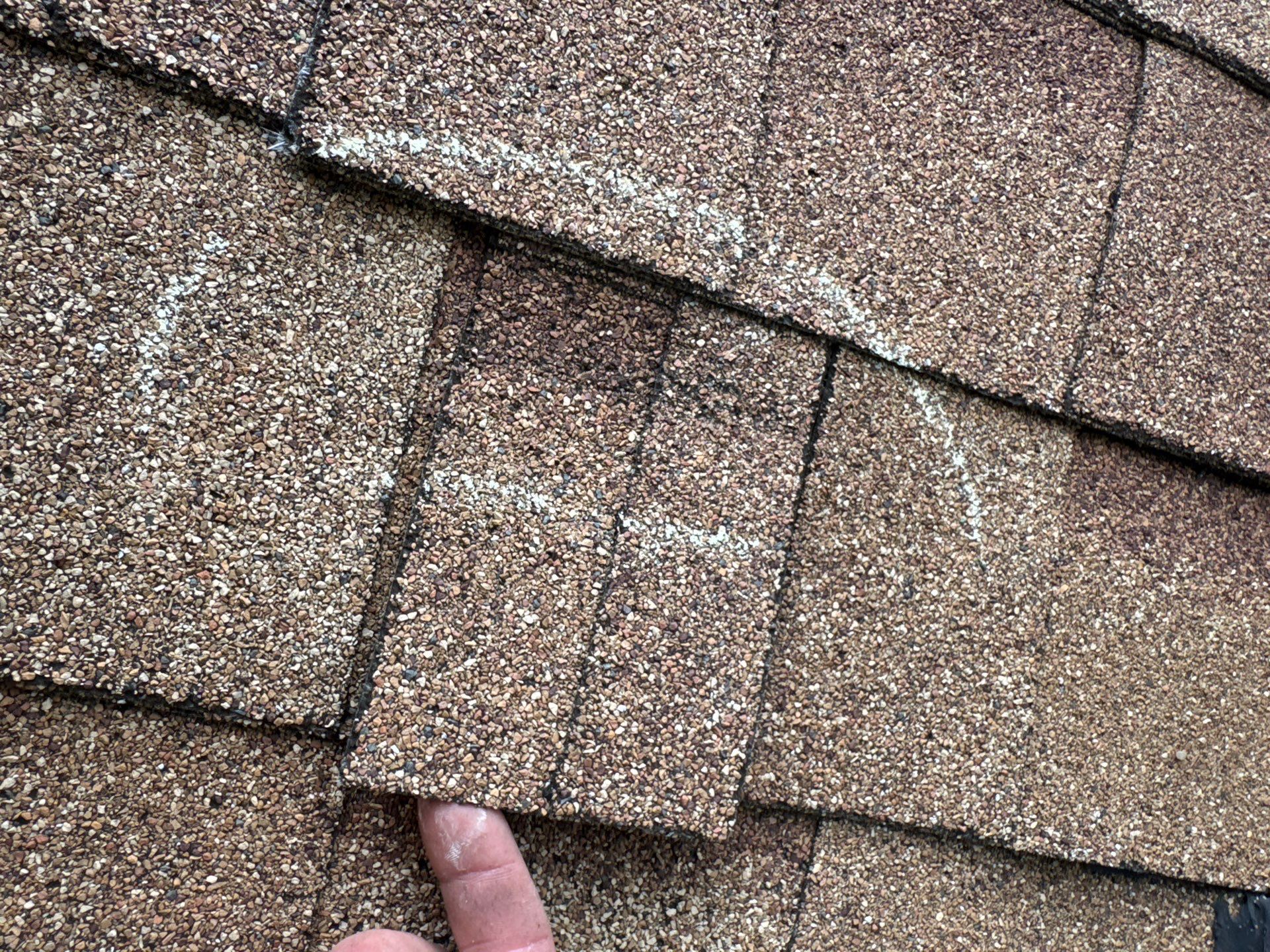
Same price (free), different output: a general inspection tells you the roof’s condition; this one produces a claim-ready evidence file formatted for adjusters.
Before. Filing with documentation attached frames the entire claim; filing blind lets the first adjuster define your damage.
Where they help — but claim-grade means hands on shingles: test squares, brittleness checks, and lifted-tab inspection can’t be done from the air.
Yes, in writing. Filing weak claims wastes your time and ours — the honest no is part of the service.
A 10x10-foot section per slope withevery qualifying strike chalked and counted — the industry convention carriers credit for hail claims.
Yes — the adjuster inspects for the carrier, which is exactly why your own claim-grade documentation should exist before they arrive.
Almost never meaningfully — bruising reads by touch and close inspection. Ground-level ’no damage’ opinions are how legitimate claims die unfiled.
No — free means free either way, and the written no-claim answer has its own value: you stop wondering.
The exterior works as one assembly — these are the pieces that connect to this one.
A thorough inspection covers the field shingles, all flashing and penetrations,…
Learn more →Hail damage on asphalt appears as random soft-bruise impacts with granule…
Learn more →Most policies cover sudden, accidental damage from a specific event such…
Learn more →Coverage depends on cause rather than on the leak itself.
Learn more →A denial is a position, not a final outcome.
Learn more →Many policies cover water damage resulting from ice dams, including interior…
Learn more →Insurance Roof Inspections is available across our licensed service territory in Ohio, Pennsylvania and New York. Find your city below, or call (330) 918-1018.
Free claim-grade inspection — evidence first, claim second, deductible only.
Takes about 20 seconds.
