An appeal isn’t arguing louder — it’s a rebuilt evidence file that makes the original decision untenable. Know which tool fits: appeal, supplement, re-inspection, or appraisal.
Before we price Insurance Claim Appeals, we look at the scope of loss, line-item pricing and depreciation — the details that decide how long the work holds. You get a photographed assessment and a written scope with no obligation, and if the cause traces to a storm we document it for your carrier. Licensed and insured in Ohio, Pennsylvania and New York.
Water damage gets worse every hour — call nowInsurance Claim Appeals — priced in writing before we start, no obligation.
An appeal asks the carrier to reconsider based on evidence rather than argument. That usually means a reinspection with the contractor present, photographic documentation tied to the loss date, and citations to policy language or code. Most policies also provide an appraisal clause for disputes over the amount of loss rather than coverage. Related: denied insurance claim? roof gutter now can help and insurance supplements.

Underpaid scope on an approved claim? That’s a supplement, not an appeal. Adjuster missed damage? Re-inspection. Outright denial or a coverage determination you dispute? Now you’re appealing — a written challenge with new evidence, sent to the carrier’s claim review level above your adjuster. And when the dispute is purely about price on a covered loss, most policies contain an appraisal clause: each side names an appraiser, an umpire breaks ties, and the result binds. Right tool, right fight.
Appeals reverse on evidence density: point-by-point response to the denial grounds, photo documentation the first file lacked, weather records for the loss date, code citations where scope requires them, and comparable approved claims from the same storm when we have them. Everything in writing, everything dated. If the carrier’s response still doesn’t hold water, the NAIC consumer complaint process routes it to your state regulator — and regulated responses read differently than form letters.
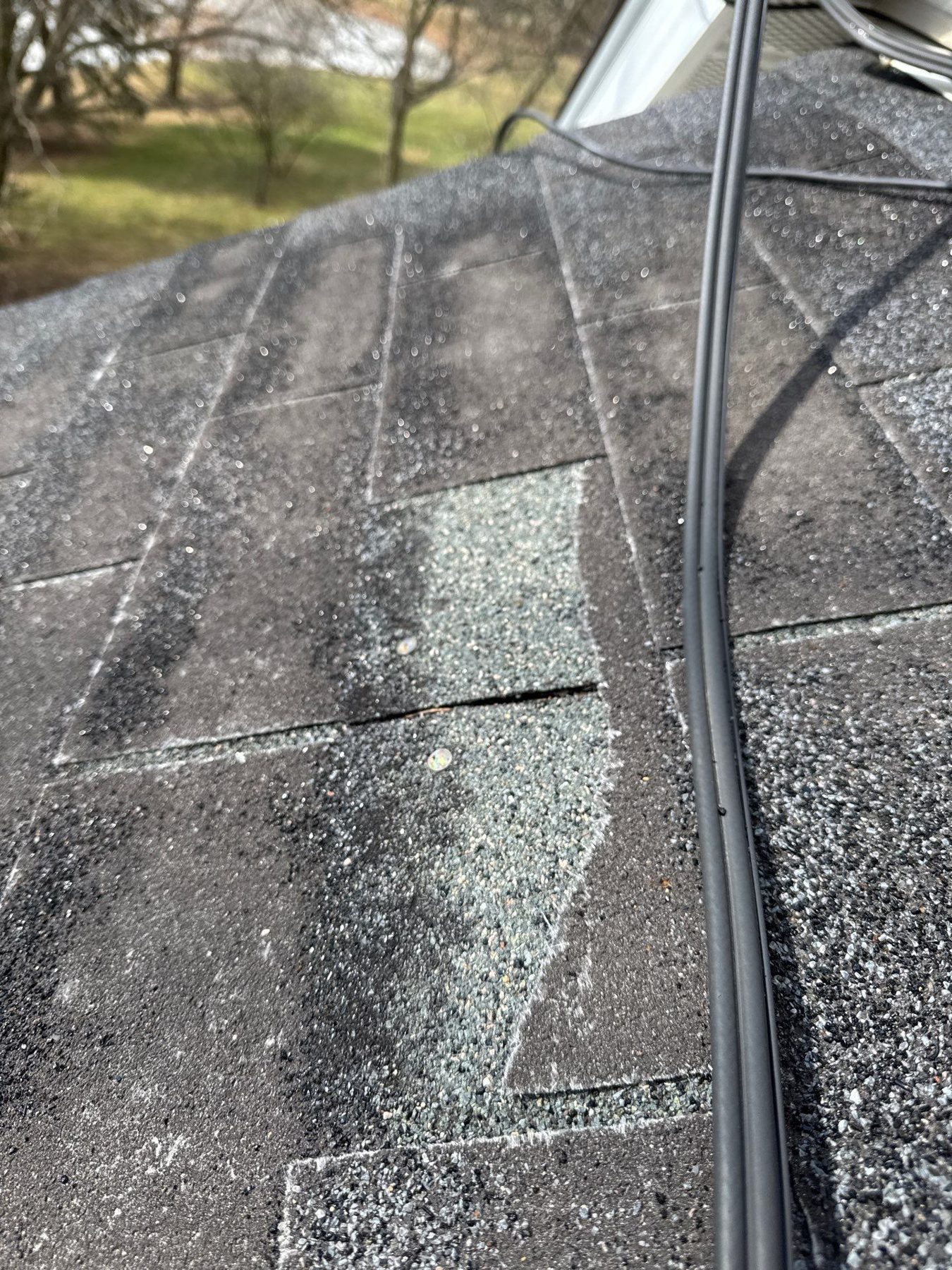

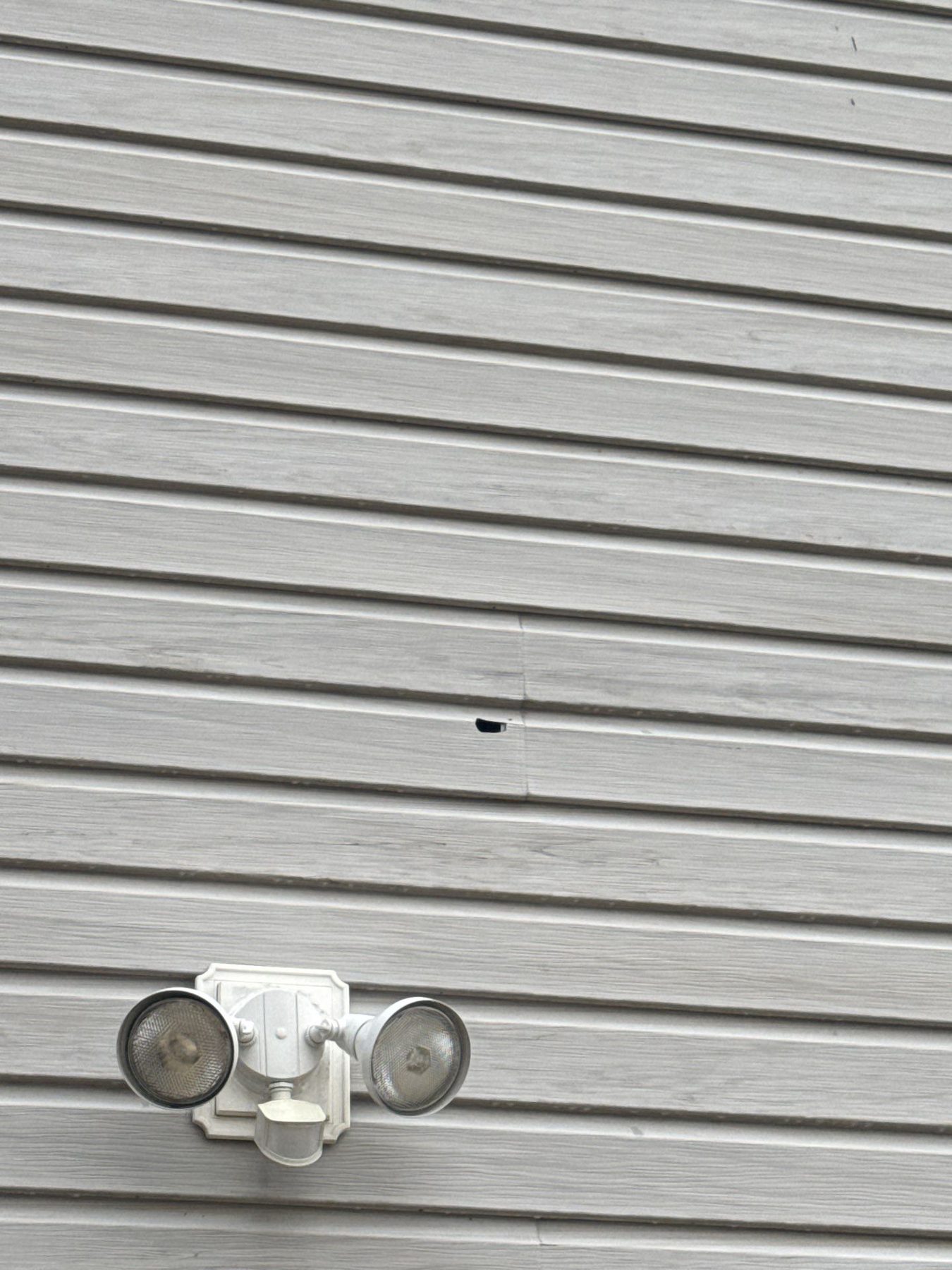

Carrier-level appeals typically resolve in 2–6 weeks with complete evidence. Appraisal runs longer but ends in a binding number.
Your policy’s suit-limitation clause is the outer wall — commonly 1–2 years from the loss. Internal appeals have no fixed deadline but momentum matters.
You pay your appraiser and half the umpire — typically worthwhile when the scope gap is five figures. We’ll tell you honestly if your gap justifies it.
We build the evidence package and technical rebuttal — the heavy lifting. The appeal formally comes from you as the policyholder, and we walk you through every submission.
A built-in dispute resolver for price disagreements on covered losses — each side names an appraiser, an umpire breaks ties, and the result binds both.
Point-by-point against the denial grounds, new evidence attached, everything dated — we build the technical package; the appeal formally comes from you as policyholder.
No honest universal number exists — but documentation-based disputes reverse routinely, and our free case review gives you honest odds for yours specifically.
Supplementally, yes — newly discovered related damage joins the claim with its own documentation rather than restarting the process.
The exterior works as one assembly — these are the pieces that connect to this one.
A denial is a position, not a final outcome.
Learn more →A supplement is a request to revise an approved claim when…
Learn more →Many policies cover water damage resulting from ice dams, including interior…
Learn more →A reinspection is a second field inspection, often with the contractor…
Learn more →Yes.
Learn more →Most policies cover sudden, accidental damage from a specific event such…
Learn more →Insurance Claim Appeals is available across our licensed service territory in Ohio, Pennsylvania and New York. Find your city below, or call (330) 918-1018.
Free case review — we’ll name the right tool and build the file that wins it.
Takes about 20 seconds.
