An uncapped flue swallows rain, birds, raccoons and downdrafts all year — and freeze-thaw water is what crumbles chimneys. One properly fitted cap ends all of it.
Chimney Caps done properly comes down to components most quotes never mention: the crown, the chase cover and the saddle. We inspect each before pricing, photograph what we find, and put the scope in writing so you see exactly what you're paying for. Licensed and insured across Ohio, Pennsylvania and New York.
Water damage gets worse every hour — call nowChimney Caps Installed Right — priced in writing before we start, no obligation.
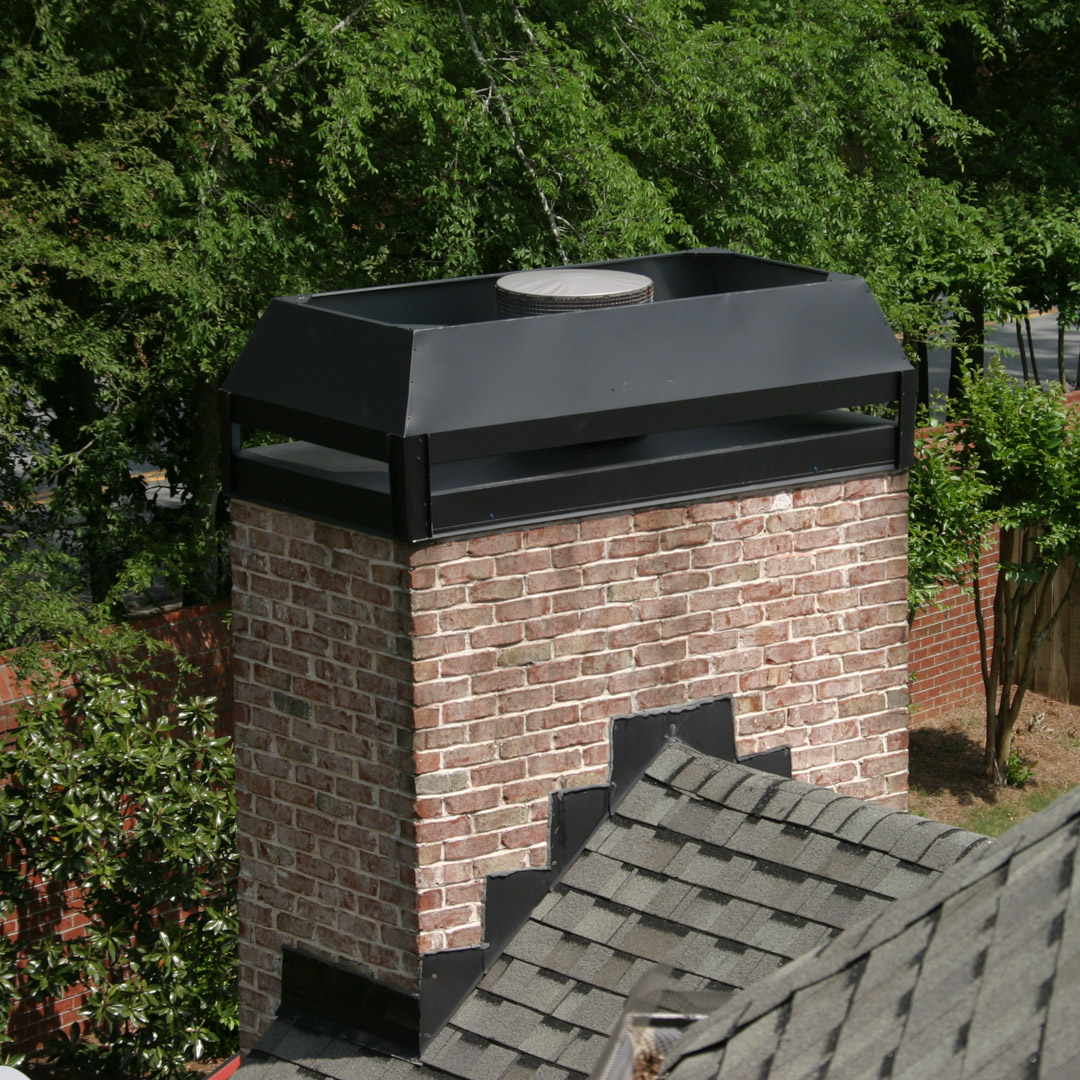
A chimney cap covers the flue opening to keep rain, snow, animals and debris out while allowing exhaust to exit. Without one, water enters the flue directly and saturates the masonry from inside, and the resulting freeze-thaw cycling is a leading cause of chimney deterioration in cold climates. Related: free chimney inspection and chimney crown repair.
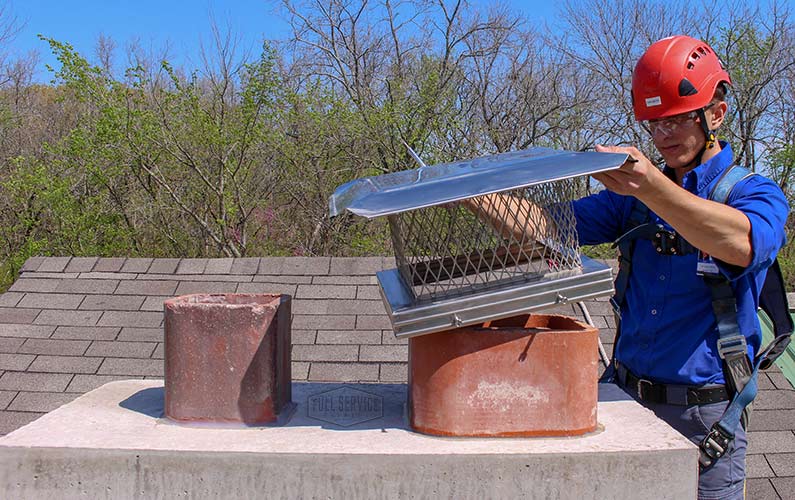
Every rain sends water straight down an uncapped flue into the smoke shelf and firebox, and every winter that moisture freezes inside your masonry and pops mortar joints apart — the crumbling brick you see on old chimneys is mostly water damage, not age. Add the raccoons, birds, and cold downdrafts, and the cap pays for itself the first year.
Big-box caps blow off because they’re clamped to whatever flue they almost fit. We measure your flue (or flues — multi-flue and full-coverage caps included), fit the right cap with spark arrestor mesh, and fasten it to stay through lake-effect wind. While we’re up there, you get a free look at the crown, flashing, and brick condition with photos.
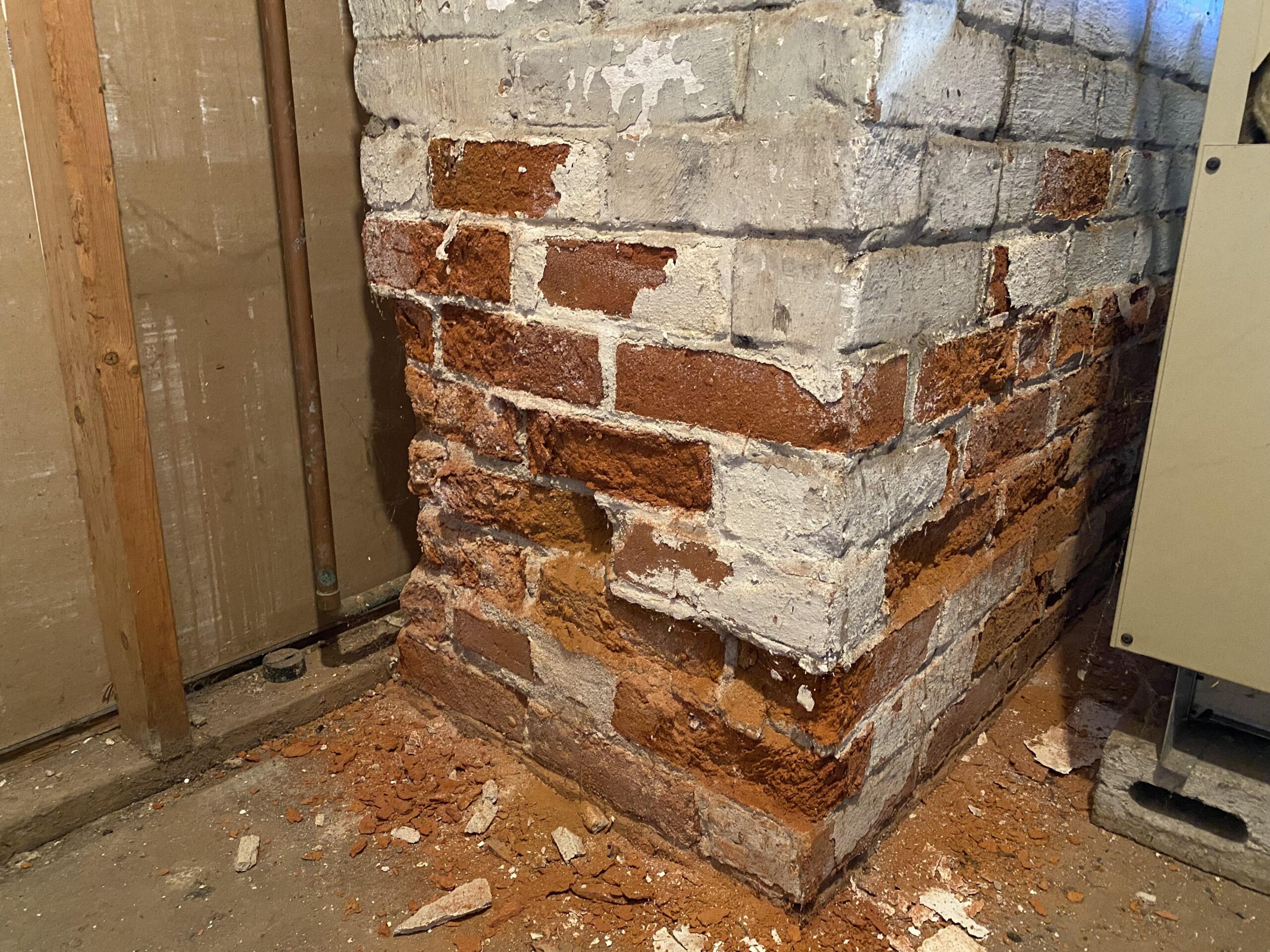
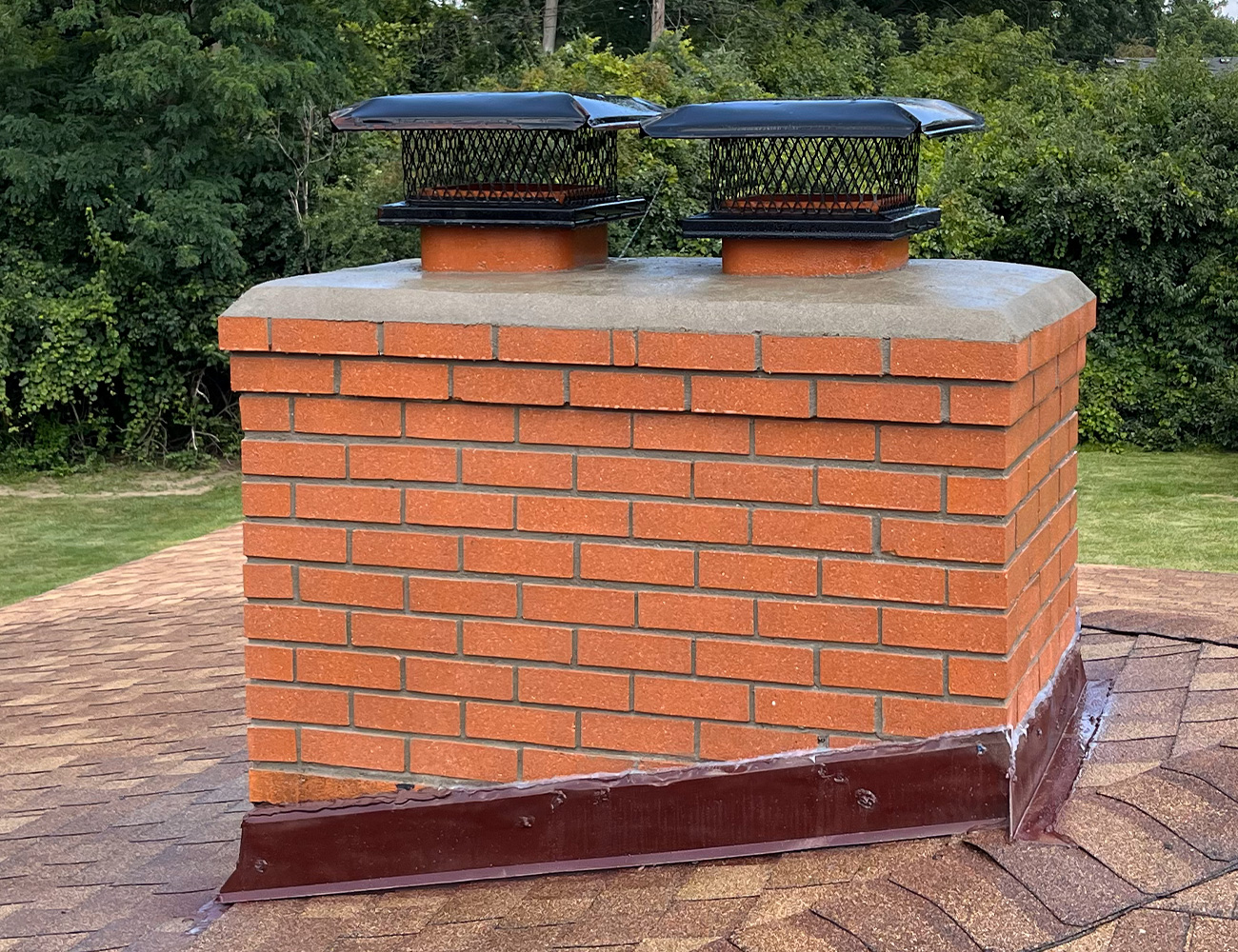
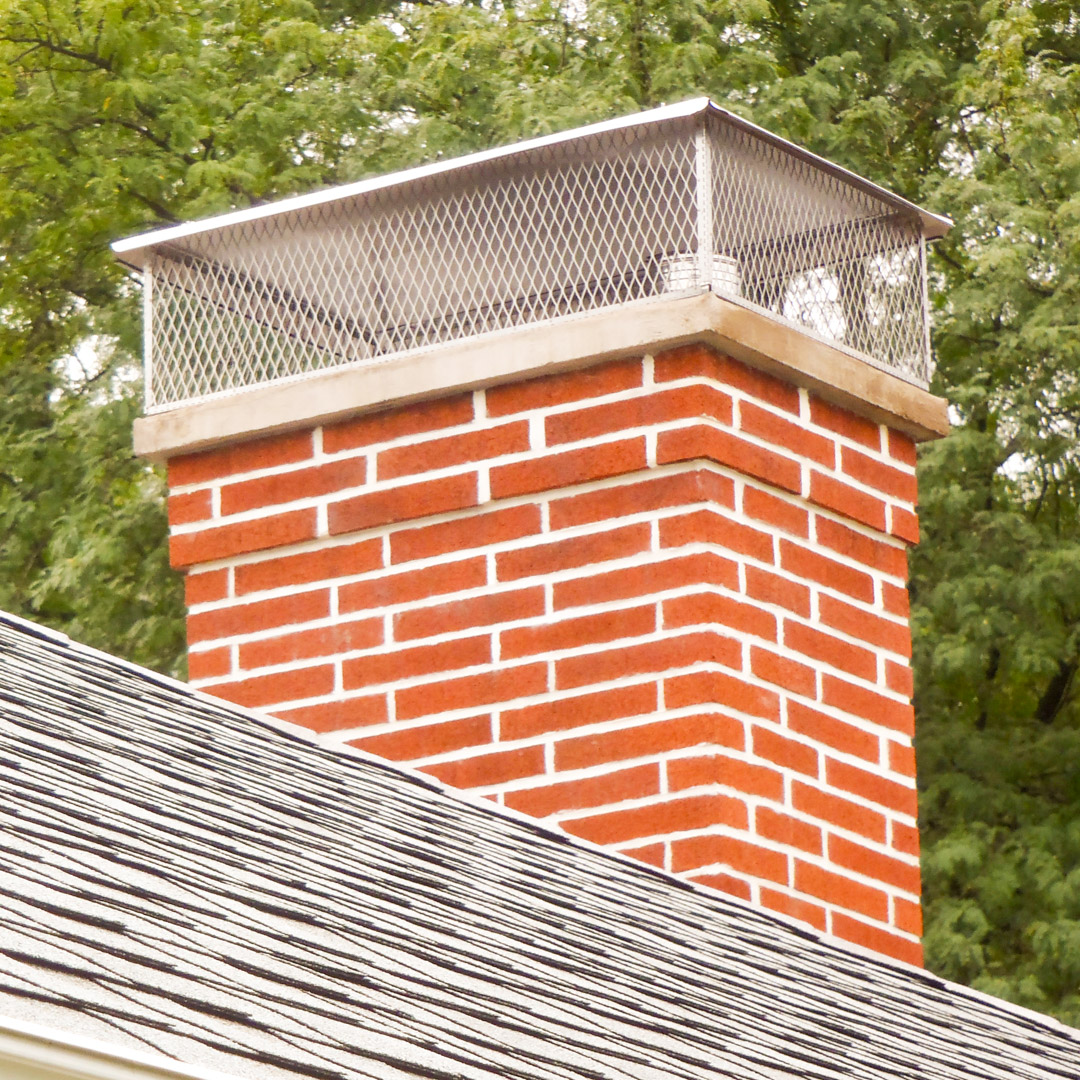
Cap pricing depends on flue count, size and material — see current numbers at roofgutternow.com/services, then we confirm with an exact measured quote at no charge.
They stop the direct-entry water that rots dampers and smoke shelves — and by keeping the flue interior dry they dramatically slow freeze-thaw damage to the masonry itself.
Once it’s vacated, yes — and the mesh keeps the next raccoon out. We won’t seal an animal inside; timing matters and we’ll walk you through it.
Yes — water and animals don’t care what the flue vents. Unused flues arguably need caps most, since nobody’s looking at them.
That’s half their job — mesh sides deny birds, squirrels and raccoons the state’s most popular nesting flue, while the hood sheds rain.
Measured off your flue dimensions and count — single-flue, multi-flue, and custom mounts all exist, which is why we measure rather than guess.
Correctly sized caps don’t — and wind-directional models actually improve troublesome drafts. Downdraft complaints usually predate the cap.
Widely recommended, sometimes required, always cheap insurance — a missing cap is an open pipe collecting weather into your house’s core.
The symptom usually tells you. We inspect before quoting and will say plainly when a smaller fix solves it — sending you a cheaper scope costs us the bigger job, and we'd rather be right than oversell.
If water is getting in, or the damage is spreading to something more expensive, now. If it's cosmetic and stable, it can be planned. We'll tell you which it is in writing after the inspection.
The exterior works as one assembly — these are the pieces that connect to this one.
An inspection covers the cap and crown, the flue and liner…
Learn more →The crown is the sloped concrete or mortar surface capping the…
Learn more →Chimneys benefit from a breathable masonry water repellent that blocks liquid…
Learn more →Chimney flashing is a two-part assembly: step flashing woven into the…
Learn more →The usual sources are failed flashing at the roof line, a…
Learn more →Tuckpointing removes deteriorated mortar from the joints to a consistent depth…
Learn more →Chimney Caps is available across our licensed service territory in Ohio, Pennsylvania and New York. Find your city below, or call (330) 918-1018.
Text us a photo of your chimney — quote back fast, installed in one visit.
Takes about 20 seconds.
