A real storm doesn’t pick one type of damage — it brings wind, hail, driven rain and debris together. The claim should cover all of it, and most first estimates don’t.
Storm Damage Claims done properly comes down to components most quotes never mention: the photo record, material match testing and the scope of loss. We inspect each before pricing, photograph what we find, and put the scope in writing so you see exactly what you're paying for. Licensed and insured across Ohio, Pennsylvania and New York.
Water damage gets worse every hour — call nowStorm Damage Claims — priced in writing before we start, no obligation.
Policies require prompt notice, and many carriers apply a filing window measured in months to a year or more from the date of loss. Because the window runs from the loss date rather than the discovery date, storm damage found long after the event is harder to substantiate. Documenting the date is what preserves the claim. Related: wind damage claims and hail damage claims.

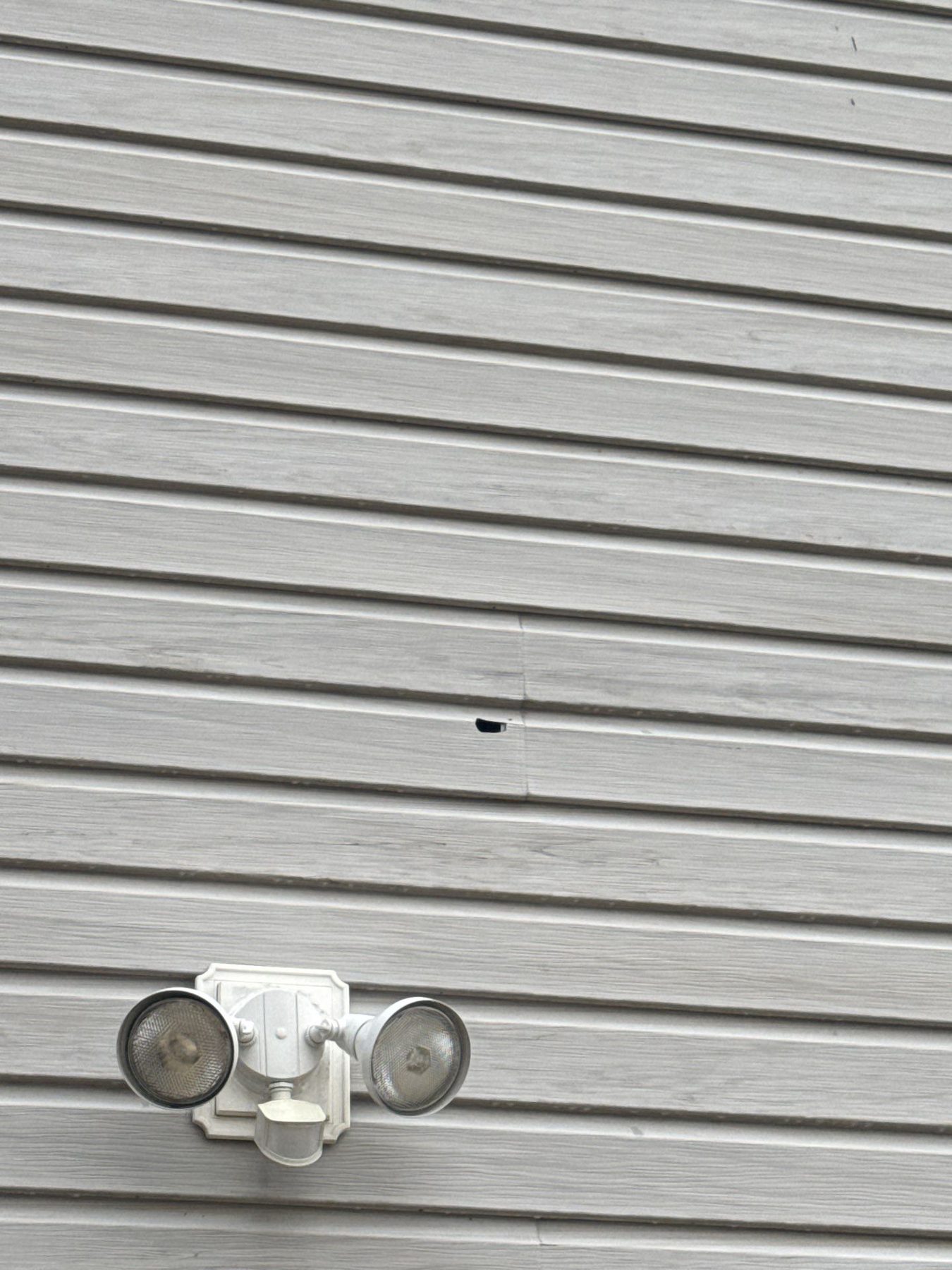
An adjuster working fast files your storm under one peril and prices it accordingly. But the same front that creased your shingles also drove rain into the exposed decking, peppered the west siding with hail, and dropped a limb on the gutters — four damage mechanisms, each with its own line items. We document each peril on its own evidence so the scope reflects the storm that actually happened. The National Weather Service logs severe events by county — we pull the report for your storm date and attach it.
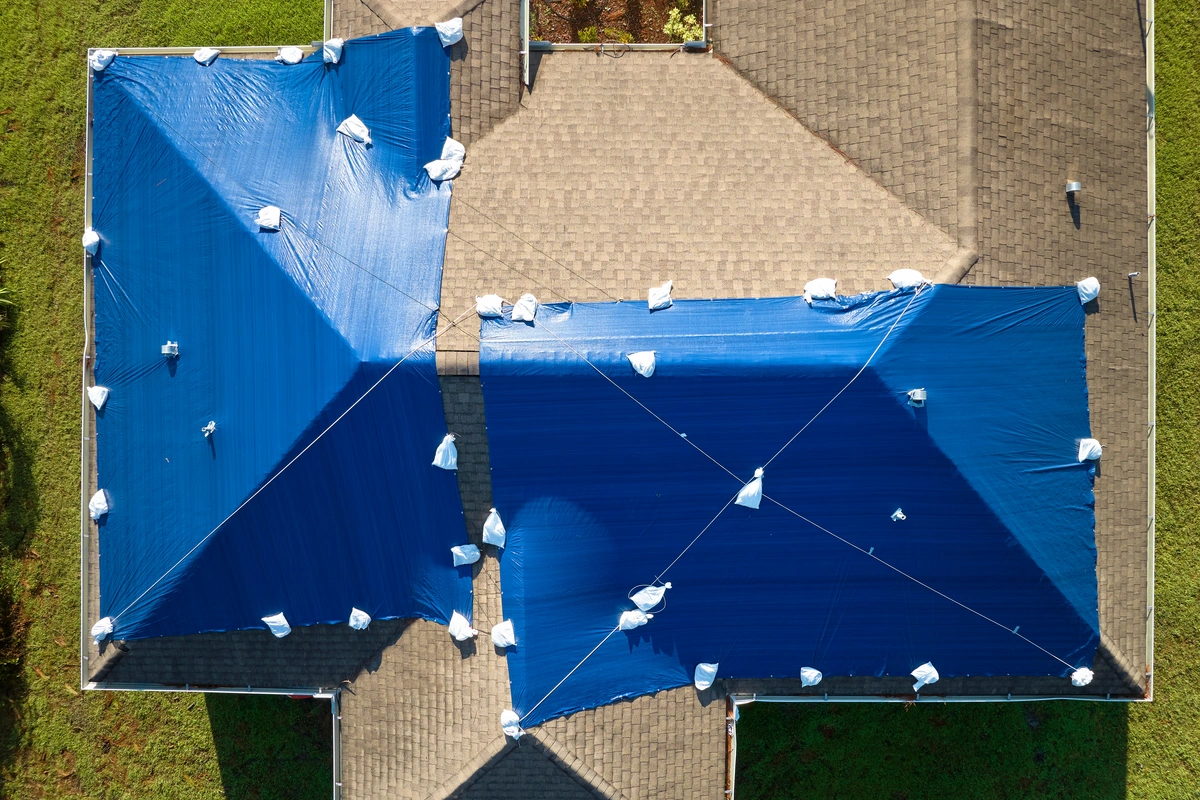
Your policy requires you to prevent further damage — emergency tarping satisfies that duty and the cost belongs in the claim. Photograph everything before cleanup: the yard debris tells the wind story, the hail on the deck dates the stones. Then file with the evidence already organized. Storms flood carriers with claims; the well-documented file is the one that moves.


Not too late, and “nothing wrong” from the ground means little — creases and bruising need a roof-level look. Filing windows typically run 1–2 years; free inspection settles it.
It corroborates it. Area-wide storm damage, neighbor claims, and NWS event reports all support your file. Storm swaths don’t skip houses.
No — one event, one claim, every trade. That’s exactly why complete documentation matters before filing.
That’s what supplements exist for. We re-document what was missed and push the scope to match the event.
Typically one to two years per policy terms — but evidence ages and mitigation duties start immediately, so sooner is always stronger.
Everything before cleanup — yard debris tells the wind story, hail on the deck dates the stones, and wide-then-close sequences anchorevery damage point to your property.
For ours, ideally — you’ll learn your roof. For the adjuster’s, your contractor being there matters more than you being there.
Frequency hurts more than severity in most rating models — one complete, well-documented event claim beats drips of small ones, which is another argument for claiming the whole storm once.
The exterior works as one assembly — these are the pieces that connect to this one.
Wind damage often shows as creased or lifted shingles, missing tabs,…
Learn more →Hail damage on asphalt appears as random soft-bruise impacts with granule…
Learn more →Generally your own policy covers the damage to your property regardless…
Learn more →Most policies cover sudden, accidental damage from a specific event such…
Learn more →Tarping is temporary stabilization that stops active water intrusion until permanent…
Learn more →Gutters damaged by a covered event are generally part of the…
Learn more →Storm Damage Claims is available across our licensed service territory in Ohio, Pennsylvania and New York. Find your city below, or call (330) 918-1018.
Free full-exterior inspection — every peril photographed, the whole event claimed once.
Takes about 20 seconds.
