Most denials aren’t about your damage — they’re about your file. Weak documentation gets denied; the same damage, properly documented, gets paid on the second pass.
The difference between Denied Insurance Claims that lasts and Denied Insurance Claims that fails early is usually material match testing, the photo record or the scope of loss. We check all of them on site rather than estimating blind, document findings with dated photographs, and price the work in writing first. Licensed contractor, fully insured, 400+ five-star reviews.
Water damage gets worse every hour — call nowDenied Insurance Claim? Roof Gutter Now Can Help — priced in writing before we start, no obligation.
A denial is a position, not a final outcome. Policies provide for reinspection and appeal, and denials are frequently based on incomplete inspection or a scope that missed damage. The productive response is documentation: dated photographs, weather data for the loss date, and a written scope that addresses the specific reason given. Related: roof insurance claims and insurance claim appeals.
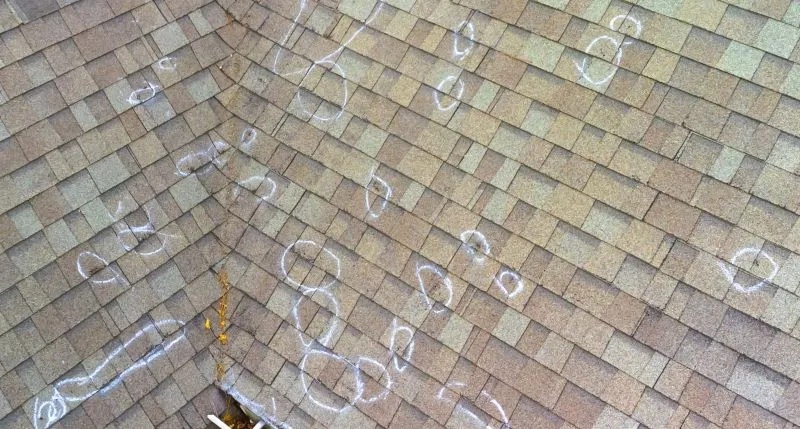
Denial letters cite specific grounds: “no storm-related damage found,” “wear and tear,” “below deductible,” “maintenance neglect.” Each has a specific answer. “No damage found” usually means a driveway inspection missed roof-level creasing — answered with test squares and slope photos. “Wear and tear” is answered with causation evidence at the damage points. We read your denial letter free and tell you honestly whether it’s beatable — most documentation-based denials are.
The sequence: submit new evidence and request a re-inspection with our documentation in hand and our estimator on the roof alongside theirs. Most reversals happen right there. If a carrier stonewalls documented damage, Ohio homeowners have a real escalation path — a consumer complaint with the Ohio Department of Insurance triggers a mandatory carrier response and gets stalled files moving.



Generally as long as your policy’s suit-limitation period allows — commonly one to two years from the loss. Sooner is stronger; evidence ages.
No — re-inspections and supplements are routine parts of the process carriers handle daily. You’re using the policy you pay for.
Usually not at this stage — most documentation-based denials reverse with contractor evidence and persistence. If a claim genuinely needs legal help, we’ll say so.
The review and re-documentation are free — we’re paid by doing the restoration work when the claim approves.
Routinely — new evidence and a re-inspection request reopen most documentation-based denials, and the policy’s suit-limitation window is your outer clock.
Usually not yet — most documentation denials reverse with contractor evidence and persistence. If a claim genuinely needs more firepower, we’ll say so.
Documentation-based reversals commonly resolve in weeks once new evidence and a re-inspection land — stonewalls escalate to ODI complaints with mandatory response clocks.
Denial without reasonable investigation or contrary to the policy’s plain terms — a legal standard beyond normal disputes. Most denials are documentation fights; genuine bad-faith patterns are lawyer territory, and we’ll say so.
The exterior works as one assembly — these are the pieces that connect to this one.
Most policies cover sudden, accidental damage from a specific event such…
Learn more →An appeal asks the carrier to reconsider based on evidence rather…
Learn more →A reinspection is a second field inspection, often with the contractor…
Learn more →A supplement is a request to revise an approved claim when…
Learn more →Many policies cover water damage resulting from ice dams, including interior…
Learn more →Coverage depends on cause rather than on the leak itself.
Learn more →Denied Insurance Claims is available across our licensed service territory in Ohio, Pennsylvania and New York. Find your city below, or call (330) 918-1018.
Send us the denial letter — free review, honest odds, and the playbook if it’s beatable.
Takes about 20 seconds.
