

Quick answer
Wind damage often leaves no missing shingles — just creases that leak later. What to document and why driveway inspections miss it. (330) 918-1018.
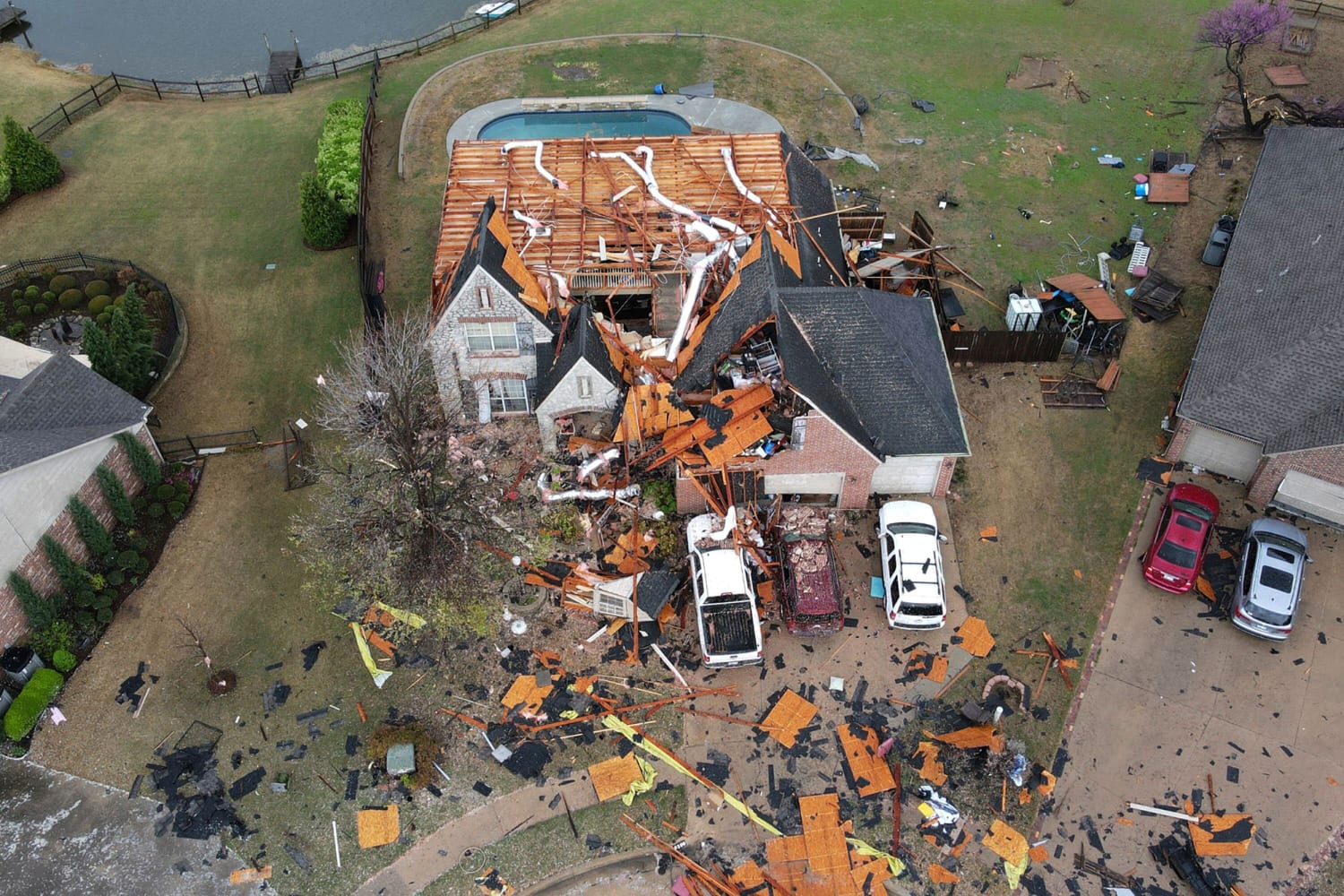
When people picture wind damage they picture missing shingles. The more common and more expensive version leaves everything in place: the wind lifts a shingle, breaks its seal, and it drops back down with a crease across it. It looks intact and it leaks in the next driven rain. Related: wind damage claims.

What a Creased Shingle Is
Asphalt shingles bond to the course below via a seal strip activated by heat. Wind gets under the leading edge, lifts the tab, and fractures the mat along a horizontal line as it flexes. When it lays back down the crease is often barely visible from a distance and the seal is permanently broken. That shingle now lifts in every subsequent wind and admits water at the fracture.
Why this matters for your claim: a creased shingle is storm damage, not wear. But it will be recorded as wear if nobody gets on the roof to find it.
Why Driveway Inspections Miss It
From the ground a creased shingle looks like a shingle. It takes hands on the roof, lifting tabs to test whether the seal has broken and looking along the course for the fracture line. This is the single biggest reason wind claims get underpaid — the inspection that generated the scope never physically checked the seal.
What Wind Damage Actually Looks Like
Creased or fractured tabs, shingles that lift by hand where the seal has failed, missing tabs with the underlayment exposed, granule accumulation at downspout outlets after a storm, lifted or displaced ridge cap, and torn or bent step flashing at walls and chimneys. Damage clusters on the windward slope and along rake edges, which is itself evidence of cause.
| Evidence | What It Establishes |
|---|---|
| Horizontal crease across the tab | Wind flex — seal permanently broken |
| Tab lifts by hand | Seal strip failed |
| Damage clustered on one slope | Directional cause, consistent with wind |
| Displaced ridge cap | Uplift at the ridge |
| Bent step flashing | Wind at wall intersections |
Tying It to a Storm Date
Coverage depends on a sudden event, so the date of loss matters. Recorded wind speeds for the address on that date are readily obtainable and turn “the roof is old” into a documented event with a measurable gust. We pull that data as part of building the file rather than leaving it to be argued later.
Scope Items Commonly Left Out
Even approved wind claims are frequently written short. Starter strip and ridge cap on affected slopes, step flashing that cannot be reused once bent, drip edge, and code-required items are the usual omissions. Where three or more trades are involved, overhead and profit generally applies. Those are quantity and scope corrections rather than new claims — see insurance supplements.